


Kitchen Remodeling Guide: How to Plan, Budget, and Choose the Right Contractor
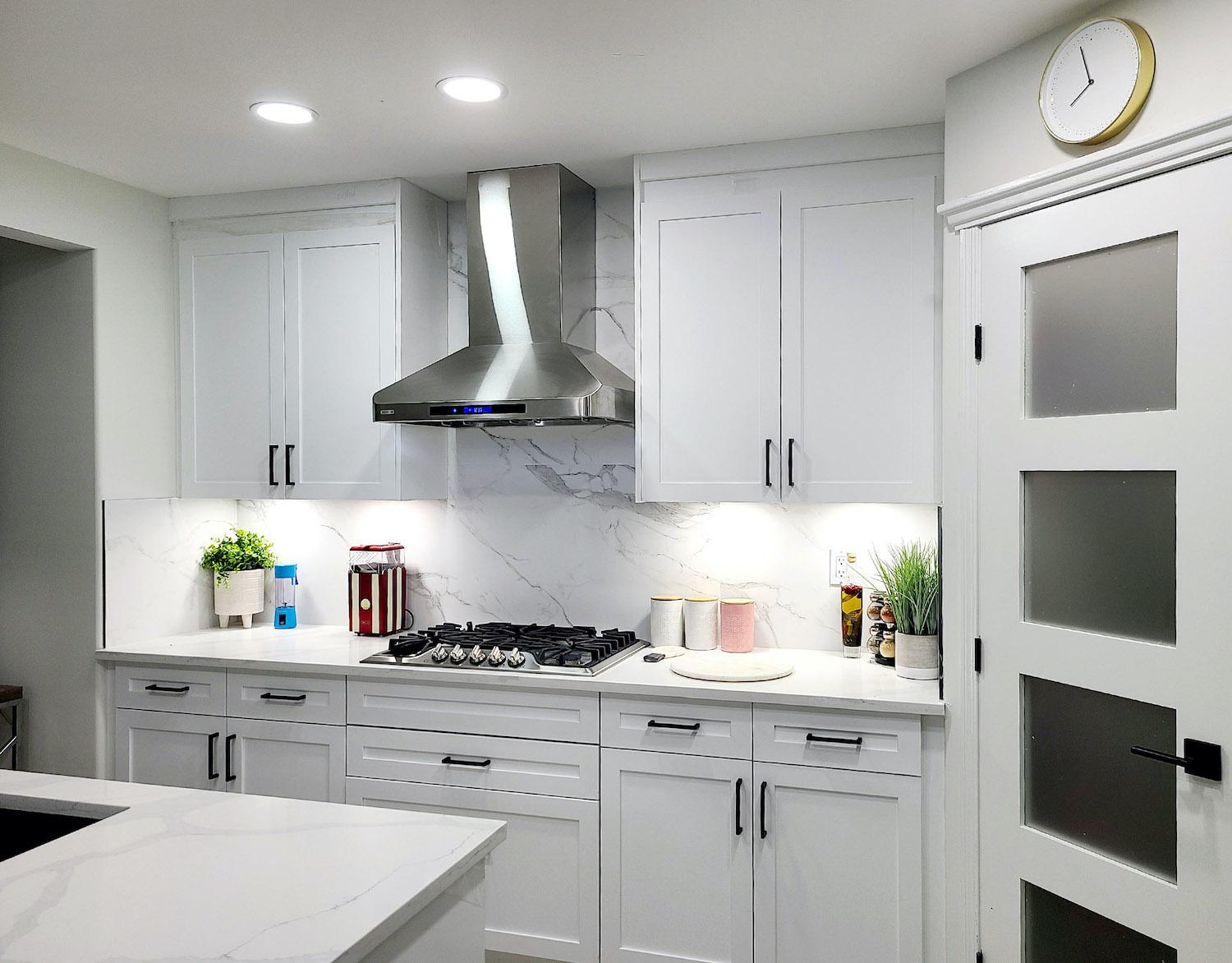
Kitchen remodeling is one of the most rewarding home improvement projects you can undertake. A well-designed kitchen not only improves daily functionality but also adds significant value to your home. However, without proper planning, budgeting, and the right contractor, a kitchen remodel can quickly become stressful and costly. This guide walks you through each step to help ensure a smooth and successful kitchen remodeling experience.
Step 1: Plan Your Kitchen Remodel Carefully
Proper planning is the foundation of any successful kitchen remodeling project. Start by identifying why you want to remodel. Are you looking to improve functionality, update outdated designs, increase storage, or boost resale value? Clear goals will help guide every decision you make.
Next, evaluate your current kitchen layout. Consider how you use the space daily and what doesn’t work. Common planning considerations include:
-
Counter space and workflow
-
Storage needs
-
Lighting and ventilation
-
Appliance placement
-
Traffic flow
Create a wish list of must-haves and nice-to-haves. This helps you prioritize features if adjustments are needed later due to budget or space constraints.
Step 2: Set a Realistic Budget
Budgeting is one of the most critical aspects of kitchen remodeling. Costs can vary widely depending on kitchen size, materials, and labor. Establish your total budget early and break it down into categories such as cabinetry, countertops, appliances, flooring, lighting, labor, and permits.
Experts recommend setting aside 10–20% of your budget as a contingency fund to cover unexpected expenses, such as hidden plumbing or electrical issues.
To stay within budget:
-
Compare material options (e.g., quartz vs. granite countertops)
-
Decide where to invest and where to save
-
Avoid unnecessary layout changes if possible
-
Get multiple quotes before committing
A clear budget helps prevent overspending and keeps your project on track.
Step 3: Choose the Right Design and Materials
The design and materials you choose will define the look, durability, and functionality of your kitchen. Popular kitchen remodeling trends include open layouts, energy-efficient appliances, custom cabinetry, and smart storage solutions.
When selecting materials, balance style with practicality:
-
Cabinets: Custom, semi-custom, or stock options
-
Countertops: Quartz, granite, marble, or laminate
-
Flooring: Tile, hardwood, vinyl, or engineered wood
-
Backsplash: Tile, stone, or glass accents
Choose materials that fit your lifestyle. For example, busy households may benefit from low-maintenance, durable surfaces.
Step 4: Hire the Right Kitchen Remodeling Contractor
Choosing the right contractor can make or break your kitchen remodel. A professional, experienced contractor ensures quality workmanship, proper permits, and timely completion.
When evaluating contractors:
-
Check licenses, insurance, and certifications
-
Review portfolios and past projects
-
Read online reviews and testimonials
-
Ask for references
-
Request detailed written estimates
Interview at least three contractors and compare their experience, communication style, timelines, and pricing. Avoid choosing solely based on the lowest quote—quality and reliability matter more.
Step 5: Understand the Contract and Timeline
Before work begins, review the contract carefully. It should clearly outline:
-
Scope of work
-
Materials and finishes
-
Project timeline
-
Payment schedule
-
Warranty information
-
Change order process
A realistic timeline helps set expectations and minimizes frustration. Kitchen remodeling projects typically take several weeks, depending on complexity. Stay flexible and communicate regularly with your contractor to address any concerns promptly.
Step 6: Prepare for the Remodeling Process
Kitchen remodeling can disrupt daily routines, especially if it’s your primary cooking space. Prepare in advance by setting up a temporary kitchen area and planning meals accordingly.
During the project:
-
Maintain open communication with your contractor
-
Monitor progress without micromanaging
-
Address issues early to avoid delays
-
Keep all decisions documented
Patience and collaboration go a long way in ensuring a smooth renovation.
Step 7: Final Inspection and Completion
Once the remodeling work is complete, conduct a final walkthrough with your contractor. Check for workmanship quality, functionality, and completion of agreed-upon tasks. Make sure all appliances, lighting, plumbing, and cabinetry function properly.
Only release final payment after all issues are resolved and the project meets your expectations.
Conclusion
A successful kitchen remodeling toronto project requires thoughtful planning, realistic budgeting, and choosing the right contractor. By taking the time to prepare, making informed decisions, and working with experienced professionals, you can transform your kitchen into a functional, stylish space that enhances both your home and your lifestyle.

 English
 Arabic
 Français
 Português
 Deutsch
 Türkçe
 Dutch
Dutch
 Italiano
 Russian
 Romaian