


Professional Guide on How to Clean an Embroidery Machine
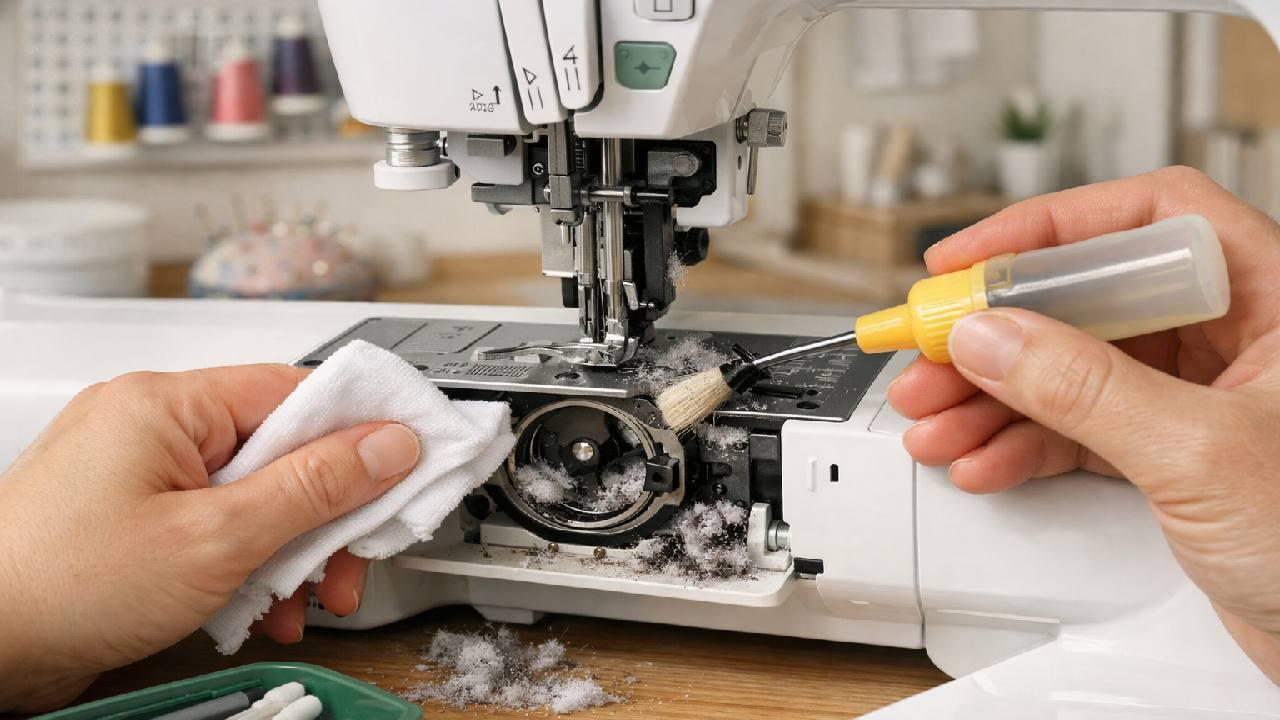
An embroidery machine is a precision driven piece of equipment that requires regular care to function smoothly. As the machine runs lint dust and thread particles gradually collect inside moving parts. Knowing how to clean embroidery machine components properly helps maintain stitch quality reduce machine strain and ensure consistent embroidery results.
Why Cleaning Should Never Be Ignored
When an embroidery machine becomes dirty performance issues appear quickly. You may notice uneven stitching thread breaks or noisy operation. These problems often affect detailed embroidery work where accuracy matters most. Clean machines are especially important for professional projects like logos and Left Chest Digitizing where even minor flaws can impact the final appearance.
Routine cleaning prevents avoidable errors and protects your machine from long term damage.
Preparing the Machine for Cleaning
Before beginning always turn off the machine and unplug it from the power source. Remove the hoop needle and all thread to ensure unrestricted access to internal areas. Place the machine on a stable surface with good lighting so no debris is missed.
Gather basic tools such as a soft cleaning brush lint free cloth cotton swabs and manufacturer approved oil if your machine requires lubrication. Avoid compressed air or liquid cleaners as these can force debris deeper into sensitive parts.
Cleaning the Core Internal Areas
Bobbin Case and Hook Area
The bobbin area collects the most lint during embroidery. Carefully remove the bobbin case and use a soft brush to sweep away loose fibers and thread fragments. Wipe the surrounding area gently with a dry cloth.
If oil is recommended apply only the exact amount specified by the manufacturer. Excess oil can attract lint and reduce performance.
Needle Plate and Fabric Movement Area
Remove the needle plate if your model allows it. Fabric fibers often build up underneath and interfere with fabric movement. Clean this area thoroughly using a brush and cloth. A clean needle plate area helps prevent skipped stitches and uneven designs.
Thread Path and Tension Components
Inspect the thread path and tension discs carefully. Lint buildup here can cause tension inconsistencies and thread breaks. Use a cotton swab to remove debris gently without disturbing alignment.
Cleaning the Exterior Surface
Use a soft dry cloth to wipe down the exterior of the embroidery machine. Control panels screens and buttons should be cleaned carefully to avoid moisture damage. Keeping the outside clean reduces dust entering internal parts and maintains a professional appearance.
Recommended Cleaning Frequency
Cleaning frequency depends on usage. Machines used daily should be cleaned every few projects. Moderate use machines benefit from weekly cleaning. Occasional users should clean before starting any new embroidery job. Developing a habit around how to clean embroidery machine parts makes maintenance simple and effective.
Consistent care prevents sudden issues and keeps production running smoothly.
Supporting Long Term Machine Health
Cleaning alone is not enough for long term performance. Replace needles regularly use high quality thread and keep your embroidery area clean. Cover the machine when it is not in use to protect it from airborne dust.
These habits work together with regular cleaning to reduce wear and extend machine life.
Final Thoughts
Understanding how to clean embroidery machine systems properly is one of the most important skills for any embroiderer. A clean machine delivers smoother operation sharper designs and fewer interruptions. Taking time to maintain your equipment protects your investment and ensures professional quality embroidery on every project.
EMDigitizer offers practical embroidery tools, including cost calculators, stitch count calculators, and simulators, which help hobbyists and professionals save time, estimate projects accurately, and create high-quality embroidery with ease.
Visit now: EM Digitizer

 English
 Arabic
 Français
 Português
 Deutsch
 Türkçe
 Dutch
Dutch
 Italiano
 Russian
 Romaian