


Smarter Feedback Collection with Modern Survey Tools
Why Businesses Depend on Surveys Today
Every organization wants to understand what people really think, but assumptions often replace facts when there is no structured feedback system in place. Meetings, emails, and casual conversations only capture a small portion of real opinions, and they are usually influenced by hierarchy, hesitation, or memory gaps. Survey tools solve this problem by giving employees, customers, and stakeholders a clear and comfortable channel to share honest responses. Instead of guessing satisfaction levels, companies begin to see measurable sentiment trends. This clarity helps management detect issues early, validate decisions, and prioritize improvements based on actual data rather than intuition. In fast-moving environments, feedback collected weeks later is already outdated, which is why modern organizations rely on continuous digital surveys rather than occasional questionnaires.
The Evolution from Forms to Intelligent Platforms
Traditional surveys were once static forms created for annual feedback collection, often forgotten after submission. Modern survey tools have evolved into intelligent platforms that analyze responses instantly and transform raw opinions into meaningful patterns. Businesses no longer just collect answers; they interpret behavior. Conditional logic allows surveys to adapt based on responses, ensuring participants only see relevant questions. Real-time dashboards display trends as they develop, enabling managers to act immediately instead of waiting for reports. This shift from passive data gathering to active insight generation makes survey platforms an operational decision-making asset rather than a periodic HR activity. Organizations now integrate survey data with performance metrics, customer interactions, and service outcomes to build a clearer picture of experience quality across departments.
Improving Employee Experience and Engagement
Employee engagement cannot improve without understanding daily workplace realities. Many employees hesitate to speak openly during meetings, but anonymous surveys create psychological safety that encourages honesty. Survey tools help companies measure satisfaction, workload balance, leadership effectiveness, and workplace culture. Regular pulse surveys reveal morale fluctuations before they become retention problems. Managers can identify which teams feel overwhelmed, which departments need support, and which policies create confusion. Instead of reacting to resignations, companies begin preventing them. The biggest advantage is continuity; feedback becomes part of routine operations rather than an annual event. Over time, employees notice that their suggestions lead to visible changes, which strengthens trust and participation.
Understanding Customers Beyond Ratings
Customer feedback often appears as ratings or reviews, but these rarely explain the reasons behind experiences. Survey tools allow businesses to ask contextual questions at the right moment, such as after a purchase, service interaction, or product usage. This timing produces more accurate insights than generic feedback forms. Companies learn why customers abandon carts, why support satisfaction drops, or why certain features remain unused. Instead of guessing improvements, teams design targeted changes. When feedback is structured, patterns emerge across demographics, purchase behavior, and service channels. This helps businesses refine products, adjust pricing perception, and improve service delivery. Continuous customer listening becomes a competitive advantage rather than a support function.
Data-Driven Decisions and Continuous Improvement
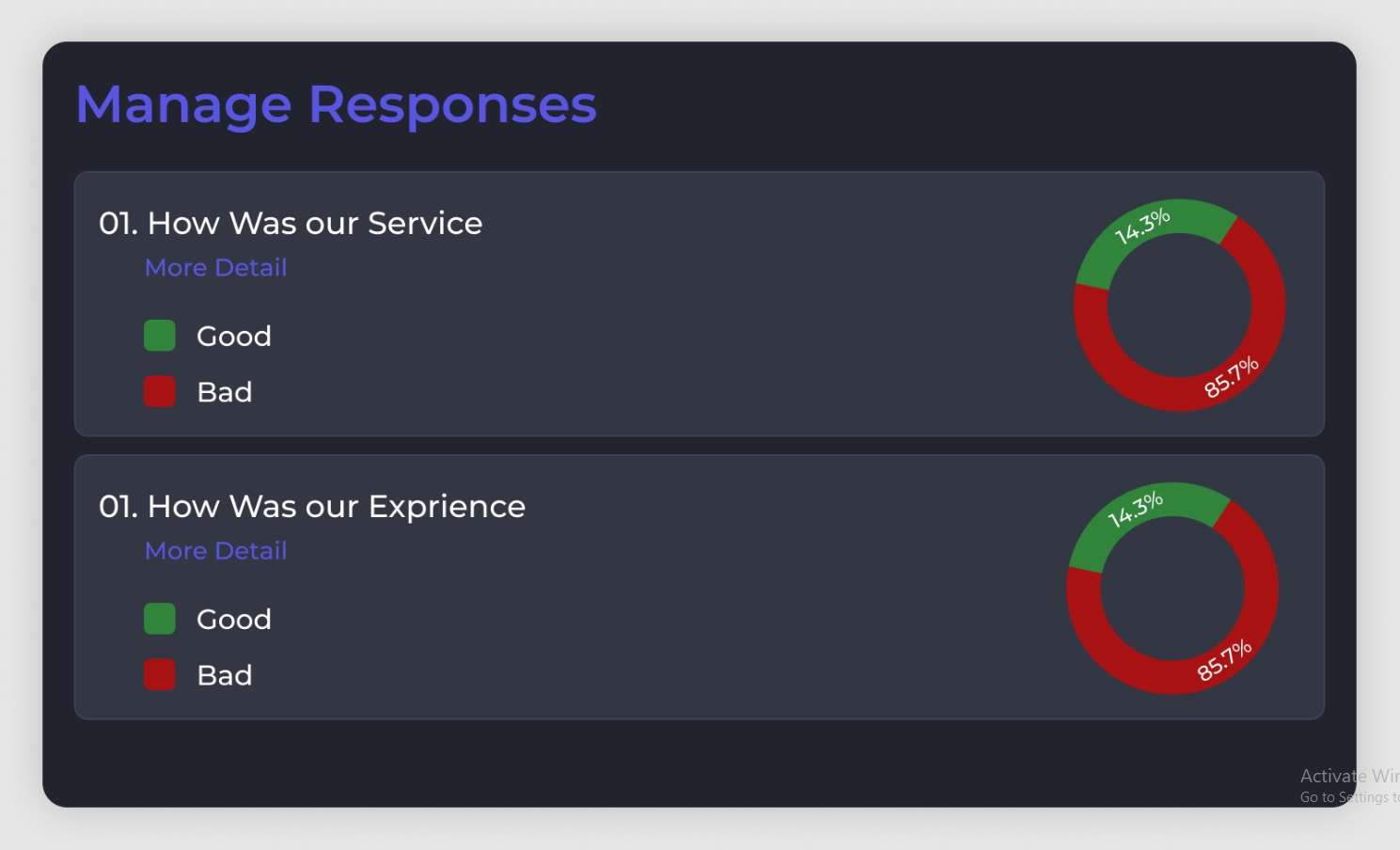
Organizations often collect data but fail to use it effectively because analysis takes too long or appears complicated. Modern survey tools automatically visualize responses through charts, comparisons, and trend lines. Leaders can instantly compare department satisfaction, training effectiveness, or service quality across time periods. Decisions become evidence-based rather than opinion-based. Continuous improvement programs benefit the most because teams can test a change, measure impact, and refine again. For example, after introducing a new policy, management can immediately evaluate employee understanding and acceptance. If results show confusion, communication strategies can be adjusted without waiting months. This agile feedback loop transforms management style from reactive to responsive.
Integration with Daily Workflows
The most valuable survey platforms do not operate separately from company operations. They integrate with communication tools, HR systems, CRM platforms, and support channels so feedback becomes part of everyday workflow. Employees can respond within familiar systems, customers can share opinions during service interactions, and managers can receive alerts when satisfaction drops below thresholds. Automation ensures that the right surveys reach the right audience at the right time without manual effort. This reduces survey fatigue because participants only receive relevant questions. Integration also allows organizations to correlate feedback with actual operational data, such as performance outcomes or service timelines, creating a comprehensive understanding of experience quality.
Survey tools have moved far beyond simple questionnaires. They now function as listening systems that continuously capture perception across the organization. Businesses that adopt them effectively stop relying on assumptions and start operating on clarity. Whether improving workplace culture, refining customer experience, or guiding strategic decisions, structured feedback becomes a daily operational asset. As organizations grow more complex, the ability to hear every voice clearly becomes not just helpful, but essential for sustainable progress.
 Deutsch
 English
 Arabic
 Français
 Español
 Português
 Türkçe
 Dutch
Dutch
 Italiano
 Russian
 Romaian