


Pink Himalayan Salt vs Iodized Salt Comparison
Salt is a staple in kitchens worldwide, adding flavor to everything from savory meals to baked goods. Among the many types available, Pink Himalayan Salt has gained significant attention for its unique color, trace minerals, and purported health benefits. But how does it compare to the more common iodized salt that most households rely on? Understanding the differences between these two can help you make an informed choice for both your culinary and health needs.
What is Pink Himalayan Salt?
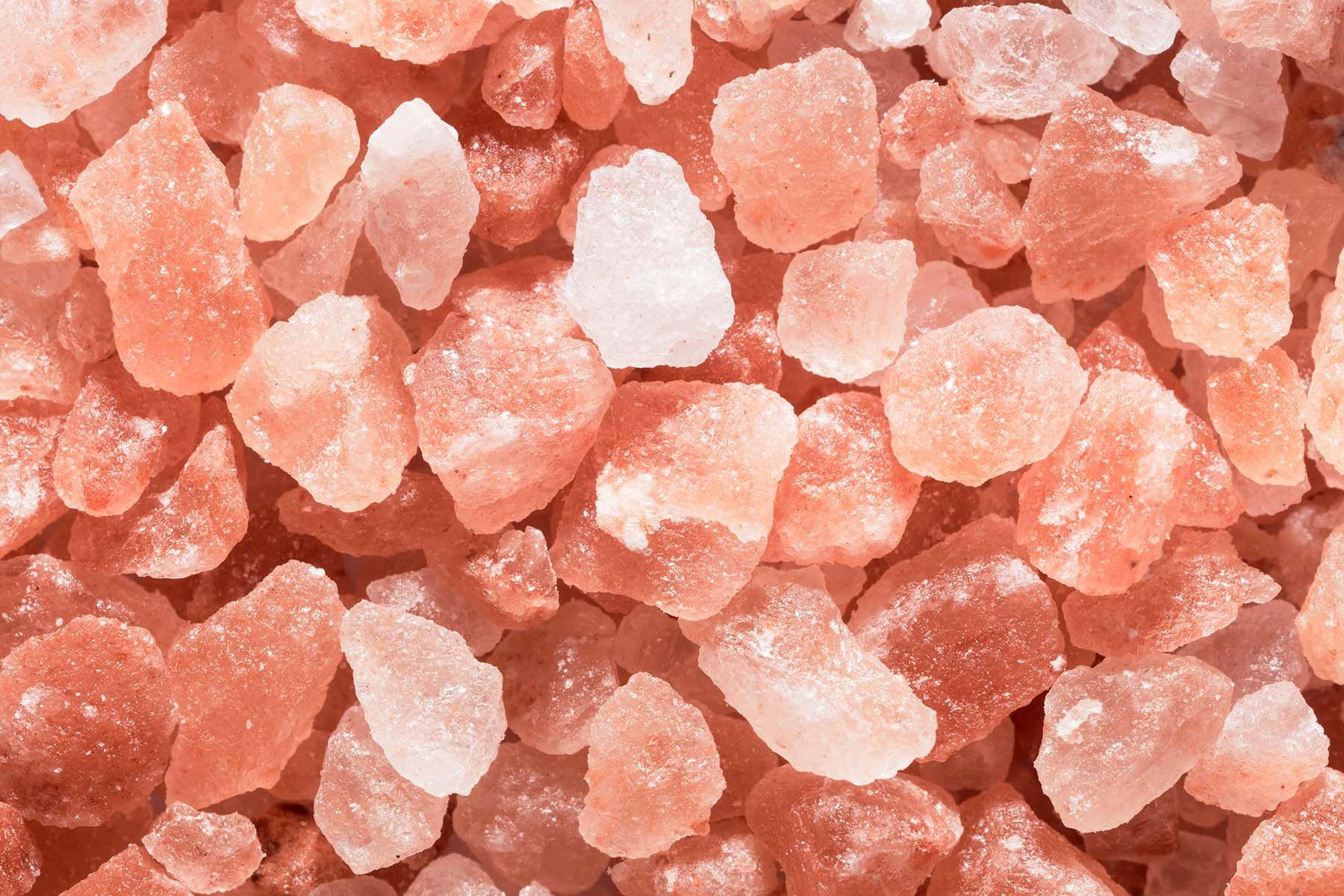
Pink Himalayan Salt is a naturally occurring mineral salt harvested from the Himalayan mountain region. Its distinctive pink hue comes from trace minerals, including iron, potassium, magnesium, and calcium. These minerals not only give the salt its unique color but also contribute to its mild flavor and potential health benefits.
Unlike highly processed salts, Pink Himalayan Salt undergoes minimal refinement. This preserves its natural mineral content, making it popular among health-conscious consumers and culinary enthusiasts alike. Its coarse texture also makes it ideal for finishing dishes, grilling, or even decorative uses like salt lamps and spa treatments.
What is Iodized Salt?
Iodized salt is regular table salt fortified with iodine, an essential mineral that supports thyroid function and helps prevent goiter. It is widely available and commonly used in households around the world.
Typically, iodized salt is refined, meaning impurities and trace minerals are removed. While this ensures a consistent taste and texture, it also means that the only mineral of significance is the added iodine. Iodized salt often contains anti-caking agents to prevent clumping, which makes it easy to sprinkle and measure for cooking and baking.
Nutritional Comparison
Mineral Content
One of the biggest differences between Pink Himalayan Salt and iodized salt is mineral content. Pink Himalayan Salt contains over 80 trace minerals, giving it a slightly different taste and color. These minerals are believed to provide health benefits, such as supporting electrolyte balance and promoting hydration.
Iodized salt, on the other hand, is primarily sodium chloride with added iodine. While it lacks the variety of trace minerals found in Pink Himalayan Salt, it serves a critical nutritional purpose by preventing iodine deficiency.
Sodium Levels
Both salts contain sodium chloride, so the sodium content is relatively similar. However, because Pink Himalayan Salt often comes in larger crystals, a pinch may contain slightly less sodium by volume compared to finely ground iodized salt. This subtle difference can be useful for those monitoring their sodium intake without compromising flavor.
Flavor and Culinary Uses
Taste Profile
Pink Himalayan Salt has a subtle, mild flavor compared to iodized salt. Its mineral content can enhance the natural taste of foods without overpowering them. Many chefs prefer it as a finishing salt for salads, meats, and roasted vegetables because it adds texture and a delicate crunch.
Iodized salt has a more neutral, straightforward flavor. Its fine texture allows it to dissolve quickly in recipes, making it ideal for baking and everyday cooking where uniform seasoning is crucial.
Cooking Applications
When cooking, the choice between these salts depends on the desired effect. Pink Himalayan Salt works well for grilling, roasting, or garnishing dishes where the salt’s color and texture can shine. Iodized salt is better suited for recipes requiring precise measurements, such as soups, sauces, and baked goods, due to its consistent granule size and solubility.
Health Considerations
Mineral Benefits
Many people are drawn to Pink Himalayan Salt for its potential health benefits. The trace minerals it contains may support hydration, muscle function, and even skin health when used in bath soaks. While the amounts of these minerals are relatively small, they contribute to its appeal as a natural alternative to heavily processed salts.
Iodine Supplementation
Iodized salt plays a crucial role in preventing iodine deficiency, a global health concern. Adequate iodine intake supports thyroid function, metabolism, and overall hormonal balance. Choosing iodized salt ensures that even if your diet lacks iodine-rich foods, you still receive this essential nutrient.
Moderation is Key
Regardless of the type, all salts should be used in moderation. Excess sodium intake can contribute to high blood pressure and cardiovascular issues. Using either Pink Himalayan Salt or iodized salt thoughtfully can help maintain flavor while supporting health goals.
Cost and Availability
While the article avoids discussing specific costs, it’s worth noting that availability can influence choice. Pink Himalayan Salt may be less commonly stocked in local grocery stores compared to iodized salt, which is widely accessible and usually sold in bulk. However, its increasing popularity means it’s becoming easier to find both in physical stores and online.
Choosing the Right Salt for You
Selecting the right salt depends on your priorities:
-
If you are looking for a natural, minimally processed option with trace minerals and aesthetic appeal, Pink Himalayan Salt is an excellent choice. Its mild flavor and texture make it ideal for finishing dishes or special culinary applications.
-
If iodine supplementation is important or you need a consistent, versatile salt for everyday cooking and baking, iodized salt remains the practical choice.
Many people find that using both salts in different contexts works best—Pink Himalayan Salt for flavor and presentation, and iodized salt for cooking and nutritional support.
Final Thoughts
The comparison between Pink Himalayan Salt and iodized salt goes beyond taste. While Pink Himalayan Salt offers a natural, mineral-rich option with subtle flavor, iodized salt provides essential iodine and convenience for daily use. Understanding their differences helps you make informed decisions for both health and culinary enjoyment.

 English
 Arabic
 Français
 Español
 Deutsch
 Türkçe
 Dutch
Dutch
 Italiano
 Russian
 Romaian