


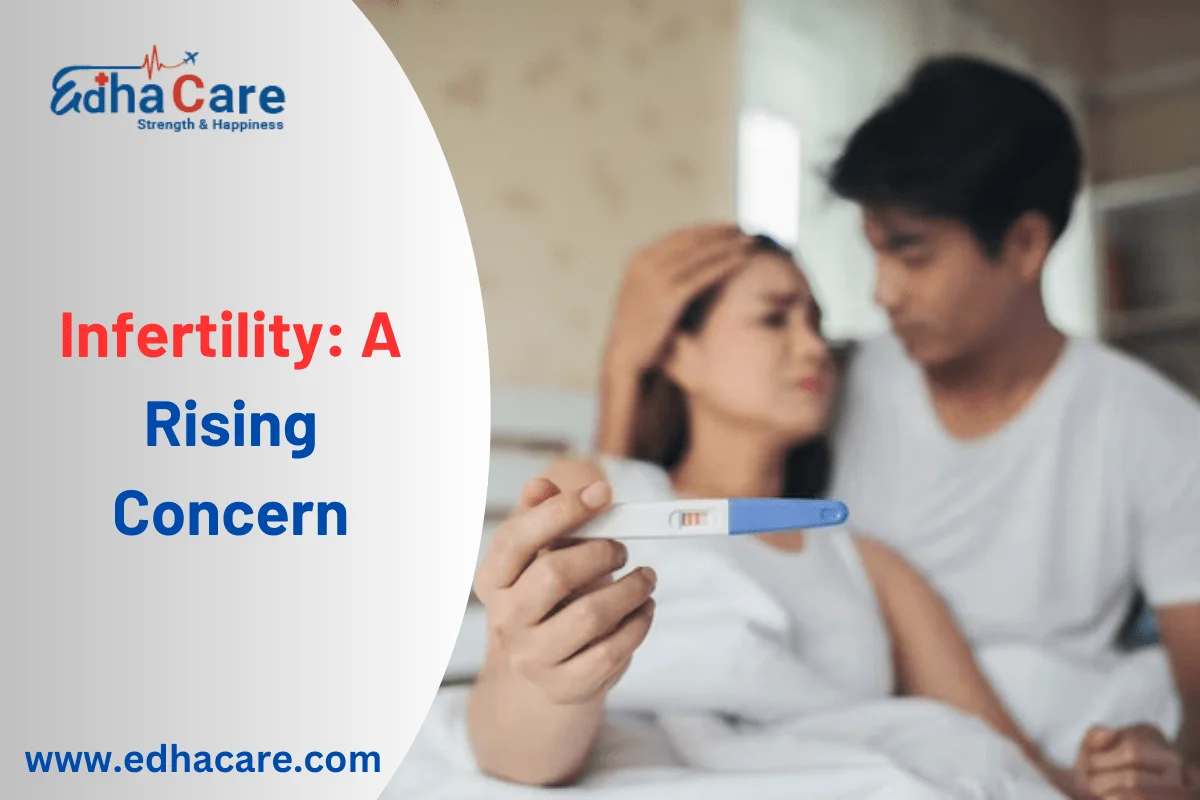
Infertility is becoming a growing health issue across the world. Today, many couples face difficulties in conceiving due to changing lifestyles, environmental factors, stress, and health conditions. Infertility not only affects physical health but also has emotional, social, and psychological impacts on individuals and families.
What is Infertility?
Infertility is the inability to conceive after 12 months of regular, unprotected intercourse. It can affect both men and women and may be caused by problems in the reproductive system, hormonal imbalance, or overall health issues.
Common Causes of Infertility
There are many reasons why infertility is increasing today, including hormonal imbalance, Polycystic Ovary Syndrome (PCOS), low sperm count or poor sperm quality, obesity, unhealthy diet, stress, smoking, alcohol use, environmental pollution, delayed marriage, and late pregnancies. These factors disturb the natural functioning of the reproductive system and reduce fertility potential.
Impact of Lifestyle on Fertility
Modern lifestyle plays a major role in rising infertility. Lack of physical activity, long working hours, poor sleep, fast food consumption, and high stress levels affect hormonal health and reproductive systems. These factors reduce fertility in both men and women and increase the risk of reproductive disorders.
Role of Environmental and Occupational Factors
Exposure to pollution, chemicals, pesticides, radiation, and industrial toxins also contributes to infertility. Many people working in high-risk environments are more likely to develop reproductive health problems. Continuous exposure to harmful substances can damage eggs, sperm quality, and hormonal balance, making conception difficult.
Awareness and Early Medical Consultation
Lack of awareness and delayed medical consultation worsen fertility problems. Many couples wait too long before seeking medical advice, reducing treatment success rates. Early diagnosis, regular health check-ups, and timely fertility assessment can help identify problems early and improve chances of successful conception.
Importance of Mental and Emotional Well-being
Mental health plays a crucial role in fertility. Anxiety, depression, emotional pressure, and social stigma affect hormonal balance and reproductive health. Emotional support, counseling, positive mindset, and family support can improve overall well-being and fertility outcomes.
Emotional and Social Challenges
Infertility often leads to emotional stress, anxiety, depression, and social pressure. Many couples feel isolated and misunderstood. Support from family, counseling, and awareness can help reduce the mental burden associated with infertility and encourage couples to seek proper medical help.
Diagnosis and Treatment Options
Medical science has made great progress in infertility treatment. Some common solutions include fertility medications, hormonal therapy, lifestyle changes, assisted reproductive technologies (ART), IVF (In Vitro Fertilization), IUI (Intrauterine Insemination), and surgical treatments for reproductive disorders. Early diagnosis and timely treatment can significantly improve the chances of conception.
Prevention and Awareness
Infertility can often be prevented by maintaining a healthy lifestyle, eating a balanced diet, exercising regularly, managing stress, avoiding smoking and alcohol, regular health check-ups, and early medical consultation for fertility issues.
Conclusion
Infertility is a rising concern that needs awareness, understanding, and proper healthcare support. With early diagnosis, healthy lifestyle choices, and advanced medical treatments, many couples can achieve their dream of parenthood. Education, emotional support, and access to quality healthcare play a key role in addressing infertility in modern society with Edhacare.

 English
 Arabic
 Français
 Español
 Português
 Deutsch
 Türkçe
 Dutch
Dutch
 Russian
 Romaian