


A Complete Guide to ISO Certification and Registration
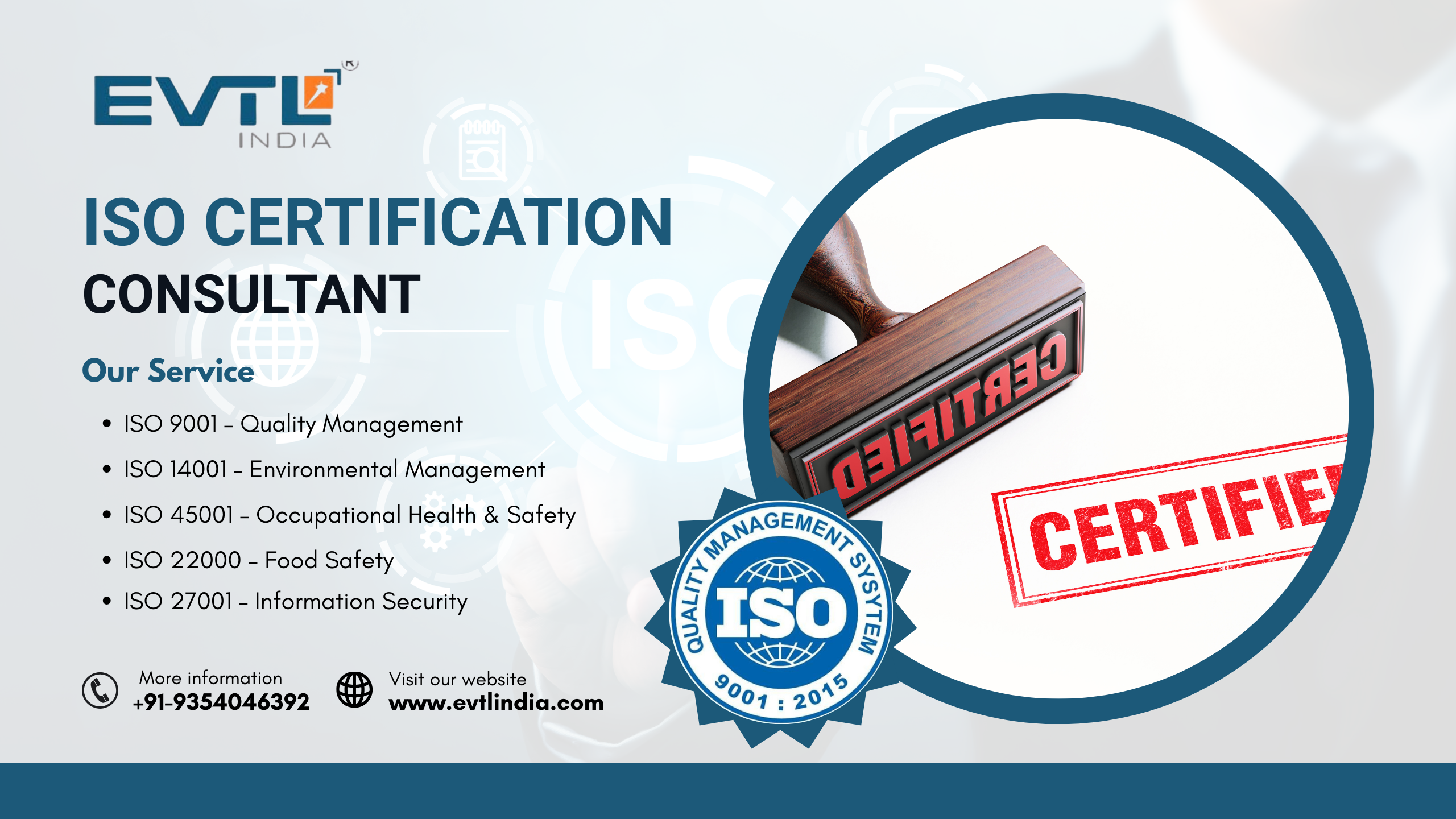
In a competitive and compliance-oriented business environment, organizations must demonstrate consistency, reliability, and adherence to internationally accepted frameworks. ISO certification serves as a globally recognized benchmark for quality, efficiency, and systematic management practices. Whether a company operates in manufacturing, services, IT, healthcare, trading, or logistics, implementing structured standards enhances credibility and operational discipline.
This article explains the ISO full form, the concept of ISO certification and registration, the significance of the ISO 9001 standard, and the role of professional consultants in securing an ISO certificate.
ISO Full Form and Its Global Role
ISO stands for the International Organization for Standardization. It is an independent, non-governmental international body that develops and publishes global standards across industries. These standards provide structured guidelines to ensure that products and services are safe, reliable, and of consistent quality.
ISO develops management system standards covering quality, environment, information security, occupational health and safety, food safety, and more. These frameworks are designed to help organizations improve internal processes, reduce risks, and enhance customer satisfaction.
It is important to understand that ISO itself does not issue certificates. Certification is granted by accredited third-party certification bodies that audit organizations against specific ISO standards.
What is ISO Certification?
ISO certification is formal recognition that an organization’s management system complies with the requirements of a particular ISO standard. It demonstrates that the organization has implemented structured policies, procedures, and controls aligned with international best practices.
Certification involves evaluating documented processes as well as practical implementation. The goal is not just paperwork compliance but ensuring that systems function effectively in day-to-day operations.
ISO certification provides assurance to stakeholders that the organization:
-
Follows standardized operational procedures
-
Monitors and measures performance
-
Identifies and manages risks
-
Pursues continual improvement
-
Maintains regulatory compliance
Certification typically remains valid for three years, subject to annual surveillance audits.
Understanding ISO Registration
ISO registration refers to the formal process through which a company applies for and obtains certification from an accredited body. Though “registration” and “certification” are often used interchangeably, registration emphasizes official listing and recognition of compliance.
The registration process usually includes:
-
Selecting the appropriate ISO standard
-
Conducting a gap analysis
-
Preparing required documentation
-
Implementing management systems
-
Performing internal audits
-
Undergoing certification audits
After successfully completing the audit stages, the organization is issued an ISO certificate confirming compliance within the defined scope.
ISO 9001 Standard: The Foundation of Quality Management
Among all ISO standards, ISO 9001 is the most widely adopted. It specifies requirements for a Quality Management System (QMS) and is applicable to organizations of all sizes and industries.
ISO 9001 is built on seven quality management principles:
-
Customer focus
-
Leadership
-
Engagement of people
-
Process approach
-
Improvement
-
Evidence-based decision making
-
Relationship management
The standard emphasizes risk-based thinking, process control, and continuous improvement. Rather than focusing solely on product inspection, it promotes systematic management of processes to ensure consistent outcomes.
Organizations certified under ISO 9001 benefit from improved operational clarity, enhanced customer trust, reduced rework, and stronger competitive positioning.
Importance of ISO Standards for Businesses
Implementing ISO standards offers tangible and strategic advantages:
1. Enhanced Credibility and Brand Reputation
Certification signals reliability and structured management to customers, regulators, and business partners.
2. Operational Efficiency
Standardized processes reduce inefficiencies, duplication, and errors. Clear documentation improves accountability across departments.
3. Risk Management
ISO frameworks require identification, assessment, and mitigation of business risks, strengthening organizational resilience.
4. Market Expansion
Many government tenders and international contracts require ISO certification as a qualification criterion.
5. Continuous Improvement
Regular internal reviews and audits foster a culture of ongoing performance enhancement.
Role of an ISO Certified Consultant
While organizations can implement ISO systems internally, many choose to engage an ISO certified consultant for professional guidance. Consultants bring expertise in interpreting standard clauses and aligning them with operational realities.
A consultant typically supports organizations through:
-
Conducting gap analysis
-
Developing manuals, policies, and procedures
-
Designing process documentation
-
Training employees
-
Assisting with internal audits
-
Coordinating with certification bodies
Professional guidance reduces implementation errors, ensures proper documentation control, and improves audit readiness. An experienced consultant ensures that compliance is practical and sustainable rather than purely documentation-driven.
Step-by-Step ISO Certificate Registration Process
The process of obtaining an ISO certificate generally follows these stages:
Step 1: Selection of Standard
Identify the appropriate standard based on business objectives. For example, ISO 9001 for quality management, ISO 14001 for environmental management, or ISO 27001 for information security.
Step 2: Gap Assessment
Evaluate existing systems against the selected standard to identify areas requiring improvement.
Step 3: Documentation Development
Prepare quality manuals, standard operating procedures, policies, records, and control mechanisms.
Step 4: System Implementation
Deploy the documented processes across the organization and conduct employee training.
Step 5: Internal Audit
Perform internal compliance audits to identify non-conformities and implement corrective actions.
Step 6: Management Review
Top management evaluates system performance and confirms readiness for certification.
Step 7: Certification Audit
An accredited certification body conducts Stage 1 (documentation review) and Stage 2 (implementation audit). Upon successful completion, the ISO certificate is issued.
Maintaining ISO Compliance After Certification
Certification is not a one-time achievement. Organizations must maintain compliance through:
-
Periodic internal audits
-
Corrective and preventive actions
-
Continuous monitoring of performance indicators
-
Annual surveillance audits by certification bodies
Non-compliance can lead to suspension or withdrawal of certification. Therefore, sustained commitment from top management is essential.
Conclusion
ISO certification represents a structured approach to operational excellence, risk mitigation, and continuous improvement. From understanding the ISO full form to implementing the ISO 9001 standard and completing ISO certificate registration, the process requires strategic planning and disciplined execution. Engaging professional support can streamline documentation, ensure audit preparedness, and maintain long-term compliance.
Organizations seeking expert assistance and systematic guidance in certification processes can rely on professional advisory services such as EVTL India for structured and compliant implementation.

 English
 Arabic
 Français
 Español
 Português
 Deutsch
 Dutch
Dutch
 Italiano
 Russian
 Romaian