


Why Are Green Spaces Important for Community Connection?

Green spaces are essential for building community connections. They act as vibrant meeting spots where we can gather, socialize, and strengthen our bonds. Parks and gardens offer a welcoming atmosphere for shared activities like picnics and sports, which help us create lasting friendships. Plus, being in nature boosts our health and well-being. By enhancing our neighborhoods’ beauty, we foster pride and environmental awareness. Let’s explore more about how these spaces transform our communities for the better.
Role of Green Spaces in Fostering Social Interactions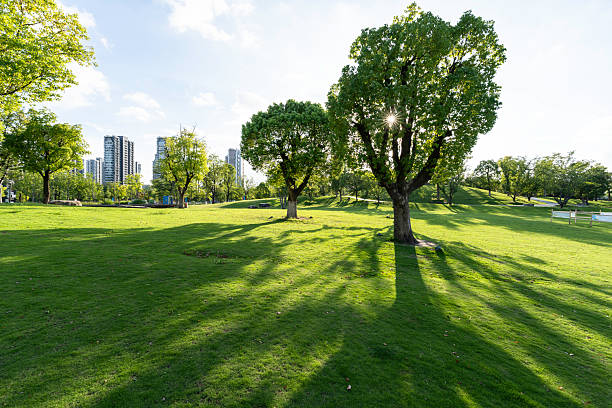
When we think about the role of green spaces in our communities, it’s clear that they serve as essential hubs for social interaction.
These parks and community gardens provide neutral ground where we can gather, whether for picnics, athletic activities, or social events. They foster a sense of belonging by creating shared spaces for residents to connect.
By engaging in activities within these green environments, we open doors to new friendships and strengthen existing ties. The opportunities for social connections multiply when we come together in these inviting areas, enhancing our community’s overall well-being.
Ultimately, green spaces are crucial to nurturing social interactions that enrich our lives and promote a vibrant community spirit.
Strengthening Community Bonds Through Shared Experiences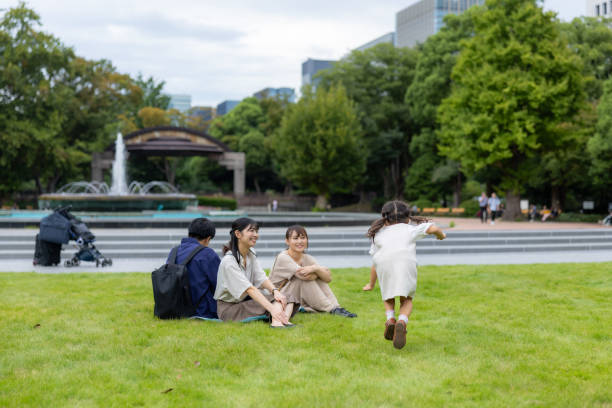
As we gather in our local parks and community gardens, we not only enjoy the beauty of green spaces but also strengthen our bonds through shared experiences.
These spaces provide us with opportunities to connect and grow together. Here are some ways we can enhance our community ties:
-
Organizing picnics to share meals and stories.
-
Hosting sports events that encourage teamwork and friendly competition.
-
Participating in community gardening, cultivating not just plants but friendships.
-
Joining outdoor workshops that foster learning and collaboration.
-
Creating art installations that reflect our unique community identity.
Health and Well-Being Benefits of Access to Green Spaces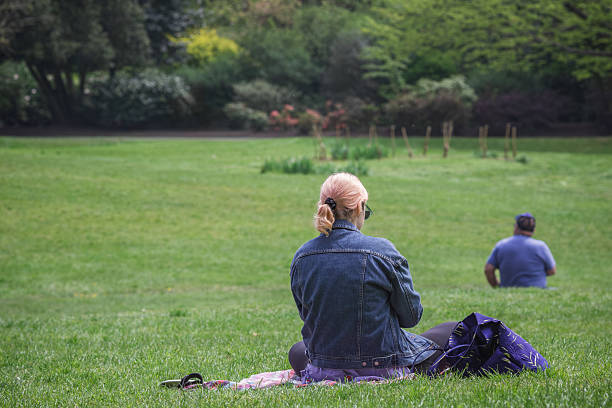
Shared experiences in green spaces not only strengthen our community bonds but also considerably contribute to our health and well-being.
When we spend time surrounded by nature, we reduce stress and lower cortisol levels, leading to improved moods and less anxiety. Engaging in activities like walking, gardening, or simply relaxing outdoors enhances our cognitive function, boosting our attention and creativity.
Furthermore, green spaces play an essential role in supporting our immune systems, thanks to beneficial plant compounds. They also promote better sleep quality, allowing us to recharge effectively.
Environmental and Aesthetic Impact on Neighborhoods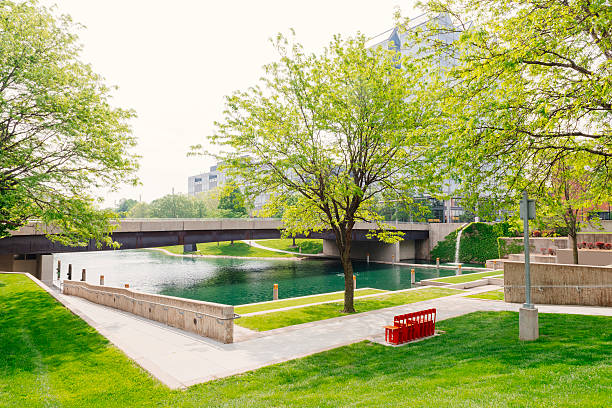
While the presence of urban green spaces might seem like a simple aesthetic enhancement, their impact on neighborhood dynamics runs much deeper.
These spaces enrich our communities in multiple ways:
-
They boost neighborhood appeal, encouraging outdoor activities.
-
Natural beauty fosters pride among residents and strengthens connections.
-
Green areas promote environmental awareness and stewardship.
-
They provide a habitat for diverse wildlife, enhancing biodiversity.
-
Engaging with nature through these spaces deepens our appreciation for the environment.
Strategies for Promoting Equity in Green Space Access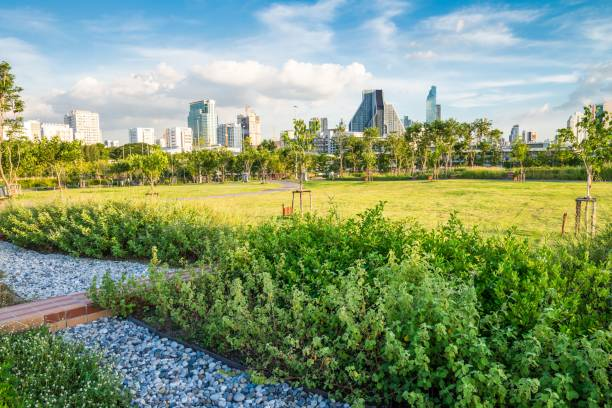
To guarantee everyone in our communities can enjoy the benefits of green spaces, we must actively promote equity in access. This means prioritizing the development of parks and gardens in underserved areas, making certain they’re safe and welcoming for all.
We should engage local residents in the design process, making their voices heard. Partnering with community organizations can help address historical inequities and focus on the specific needs of marginalized groups.
Additionally, we must advocate for policies that secure funding for green spaces in disadvantaged neighborhoods. By fostering collaboration and creating inclusive environments, we can enhance community bonds and guarantee that everyone has the opportunity to thrive in our green spaces.
Let’s work together to make this vision a reality.
Frequently Asked Questions
How Do Green Spaces Affect Local Property Values?
Green spaces greatly boost local property values. They create appealing environments, attract buyers, and foster community pride. We all benefit from well-maintained parks and gardens, enhancing our neighborhoods and increasing our property investments.
What Types of Activities Can Be Organized in Green Spaces?
We can organize various activities in green spaces, like community picnics, sports tournaments, yoga classes, and gardening workshops. These events enhance our connections while promoting health, fun, and engagement within our neighborhoods.
How Can Businesses Benefit From Nearby Green Spaces?
Businesses benefit from nearby green spaces by attracting customers, enhancing employee satisfaction, and fostering community engagement. They create inviting atmospheres that encourage longer visits, boost productivity, and contribute to a vibrant, interconnected local economy.
Are There Specific Plants That Enhance Community Green Spaces?
Absolutely, we can enhance community green spaces with native plants, flowering shrubs, and fruit-bearing trees. These selections promote biodiversity, attract pollinators, and create inviting environments for gatherings, strengthening our community connections and fostering shared experiences.
How Do Green Spaces Contribute to Local Wildlife Preservation?
Green spaces provide essential habitats for local wildlife, supporting biodiversity. By planting native species and creating natural areas, we enhance ecosystems, ensuring animals thrive while enriching our community’s natural beauty and ecological health.
Conclusion
To sum up, green spaces are essential for fostering community connections and enhancing our overall well-being. They provide us with opportunities to gather, share experiences, and strengthen our bonds with one another. By prioritizing access to these natural environments, we can create more inclusive neighborhoods that promote health, happiness, and a sense of belonging. Let’s continue to advocate for and cherish our green spaces, ensuring they remain a thriving part of our communities for generations to come.

 Arabic
 Français
 Español
 Português
 Deutsch
 Türkçe
 Dutch
Dutch
 Italiano
 Russian
 Romaian