


High-Performance Timing Belt Kits for Engine Reliability
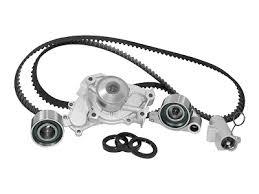
Timing failures can shut down production lines, damage engines, and increase maintenance costs. For manufacturers and automotive engineers, choosing the right components is critical.
High-quality timing belt kits ensure accurate engine synchronization, reduced downtime, and long-term mechanical reliability in industrial and automotive applications.
The Problem – Engine Failure and Costly Downtime
Modern engines depend on precise synchronization between crankshaft and camshaft. When timing components fail, the consequences are serious:
-
Valve and piston collision
-
Sudden engine shutdown
-
Increased repair costs
-
Production delays in industrial setups
Old or low-quality timing belts often stretch, crack, or lose tension. In high-load conditions, this leads to performance loss and safety risks.
For B2B buyers and OEM manufacturers, component reliability directly affects product reputation and operational cost.
The Solution – What Are Timing Belt Kits?
Timing belt kits are complete replacement sets that include all essential components required for proper engine timing system maintenance.
What’s Included in a Timing Belt Kit?
Typically, a kit contains:
-
Timing belt
-
Tensioner pulley
-
Idler pulleys
-
Water pump (in some kits)
-
Mounting hardware
Instead of replacing parts individually, using complete timing belt kits ensures compatibility and balanced wear across components.
How Timing Belt Kits Work
The timing belt connects the crankshaft and camshaft, ensuring that engine valves open and close at precise intervals.
Working Mechanism
-
The crankshaft rotates.
-
The timing belt transfers motion to the camshaft.
-
The camshaft controls valve timing.
-
Tensioners maintain proper belt tension.
-
Idler pulleys guide smooth belt movement.
When all components function together, the engine runs efficiently, smoothly, and safely.
Problems with Traditional Replacement Methods
Previously, many workshops replaced only the damaged belt while keeping old pulleys or tensioners.
Common Issues with Partial Replacement
-
Uneven component wear
-
Improper belt tension
-
Premature failure
-
Increased maintenance frequency
For manufacturers, this approach increases warranty claims and operational risk. A complete kit eliminates compatibility and performance issues.
Key Features of High-Quality Timing Belt Kits
High-performance kits are engineered for durability and precision.
Core Features
-
Heat and wear-resistant rubber compounds
-
High tensile strength reinforcement cords
-
Precision-machined pulleys
-
Corrosion-resistant components
-
Exact OEM compatibility
Performance Benefits
-
Longer service life
-
Reduced vibration
-
Lower noise levels
-
Improved fuel efficiency
-
Consistent engine timing
These features make them suitable for heavy-duty automotive and industrial engines.
Comparison – Individual Parts vs Complete Kits
| Feature | Individual Replacement | Complete Timing Belt Kit |
|---|---|---|
| Component Compatibility | Not Guaranteed | Fully Matched |
| Installation Time | Longer | Faster |
| Maintenance Cost | Higher Long-Term | Cost-Effective |
| Risk of Failure | Higher | Lower |
| Warranty Protection | Limited | Better Coverage |
For B2B procurement teams, complete kits reduce risk and simplify inventory management.
Real Applications Across Industries
Timing belt kits are widely used in:
-
Passenger vehicles
-
Commercial trucks
-
Agricultural machinery
-
Industrial engines
-
Construction equipment
Manufacturers prefer complete kits to ensure production reliability and long-term engine durability.
Why Manufacturers Prefer Timing Belt Kits
Engine manufacturers and OEM suppliers choose complete kits because:
-
They reduce assembly errors
-
They ensure consistent performance
-
They simplify maintenance schedules
-
They enhance brand reliability
From a supply chain perspective, sourcing full kits also reduces procurement complexity.
How to Choose the Right Timing Belt Kit
Selecting the correct kit requires technical evaluation.
Key Selection Factors
-
Engine type and model compatibility
-
Load and operating conditions
-
Material quality standards
-
OEM specifications
-
Manufacturer reputation
Questions Engineers Should Ask
-
Is the belt reinforced for high torque applications?
-
Are tensioners tested for long-term durability?
-
Does the kit meet ISO and quality certifications?
Choosing the right supplier ensures consistent quality and long-term cost savings.
Conclusion – Invest in Reliability, Reduce Downtime
Timing system failure is not just a repair issue—it’s a business risk. In industrial and automotive environments, precision and durability matter.
High-quality timing belt kits provide:
-
Complete system compatibility
-
Reduced failure risk
-
Improved operational efficiency
-
Lower lifecycle cost
For manufacturers, engineers, and B2B buyers, investing in a complete, high-performance kit ensures long-term reliability and operational confidence.

 Arabic
 Français
 Español
 Português
 Deutsch
 Türkçe
 Dutch
Dutch
 Italiano
 Russian
 Romaian