Wisdom teeth are the last set of molars to emerge, usually making their presence known in the late teenage years or early adulthood. While some wisdom teeth come in without a hitch, many create crowding, pain, or become trapped beneath the gum line. When these third molars cause trouble, extraction often becomes the recommended path forward. Understanding the procedure itself and the signs that something may be amiss afterward can make a significant difference in recovery.
The Purpose of Wisdom Tooth Removal
Wisdom Tooth Extraction Dubai is a common procedure designed to prevent oral health complications before they escalate. When there is not enough room in the jaw for these molars to emerge properly, they may grow in at an angle or remain partially buried. This can lead to crowding that shifts other teeth or damage to neighboring roots. Removing problematic wisdom teeth is often a preventive measure to maintain alignment and protect overall oral structure.
What Happens During the Extraction Process
The process of removing a wisdom tooth is typically straightforward and performed under anesthetic to ensure comfort throughout. The dentist or oral surgeon begins by numbing the area completely. If the tooth is impacted, meaning it is still beneath the gum tissue, a small incision may be made to access it. In some cases, the tooth is divided into smaller sections to allow for easier removal. Once the tooth is out, the site may be closed with a stitch or left to heal naturally with a piece of gauze placed to encourage clotting.
What to Expect Immediately After Surgery
In the hours following extraction, it is completely normal for the mouth to feel numb, swollen, and tender. The body immediately begins its healing work, forming a protective blood clot over the empty socket. This clot is essential for healing and acts as a natural bandage over the underlying bone and nerve endings. Some oozing of blood may occur within the first day, and gentle pressure with clean gauze usually helps manage this. Swelling in the cheek area is also common and typically peaks within the first forty-eight hours before gradually subsiding.
Recognizing Normal Healing Versus Infection
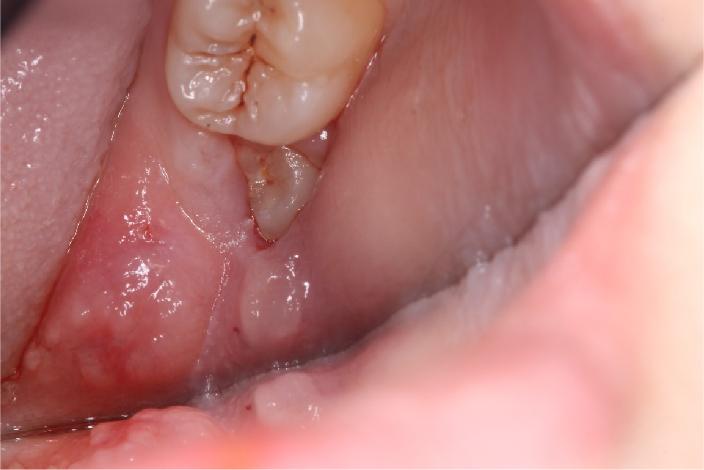
Healing after a wisdom tooth extraction follows a predictable pattern for most people, but infection remains a possibility when bacteria enter the surgical site. Distinguishing between typical post-operative discomfort and signs of infection is important for seeking timely care. Normal recovery includes mild to moderate pain that improves each day, slight swelling that goes down over time, and gradual resolution of any bruising. Infection, however, introduces symptoms that deviate from this expected course and should not be ignored.
Early Infection Warning Signs
Persistent or Worsening Pain
Pain that intensifies several days after surgery rather than improving is a notable red flag. While some soreness is expected, a steady increase in discomfort often indicates that something is preventing proper healing. This type of pain may feel deeper or more throbbing than the initial post-surgical tenderness.
Fever and Chills
The presence of fever signals that the body is fighting an inflammatory response beyond the local surgical site. Even a low-grade fever accompanied by chills or general malaise suggests that infection may be spreading. This systemic response requires prompt attention.
Swelling That Returns or Worsens
Swelling that diminishes and then suddenly increases again is another indicator of possible infection. While initial swelling is expected, a second wave of puffiness or firm swelling in the jaw, neck, or floor of the mouth warrants concern.
Persistent Bad Taste or Odor
A foul taste in the mouth that does not resolve with gentle rinsing or persistent bad breath can signal the presence of pus or necrotic tissue. This taste is often described as metallic or sour and is not simply a remnant of the surgical procedure.
Difficulty Opening the Mouth
Trismus, or the inability to open the mouth as wide as usual, is common immediately after surgery. However, if this limitation worsens or persists beyond the first few days, it may indicate that infection is affecting the muscles and tissues surrounding the jaw.
Visible Pus or Drainage
Any visible discharge of yellow or white fluid from the extraction site is a definitive sign of infection. This drainage may be accompanied by redness that extends beyond the immediate area of the socket.
Dry Socket Versus Infection
Dry socket is a distinct complication that is sometimes mistaken for infection. This condition occurs when the protective blood clot becomes dislodged or dissolves prematurely, exposing the underlying bone and nerves. While dry socket produces intense, radiating pain and a noticeable empty appearance at the extraction site, it is not technically an infection. However, an exposed socket can become infected if bacteria enter the area, making dry socket a contributing risk factor.
When to Seek Professional Care
Determining the right moment to reach out for professional guidance can prevent a localized infection from becoming more serious. Any combination of the warning signs listed above, especially when pain escalates or fever develops, should prompt a call to the dental office. It is always better to err on the side of caution, as infections in the oral cavity can spread to surrounding tissues and, in rare instances, to other areas of the body.
Factors That Increase Infection Risk
Certain circumstances can make infection more likely following wisdom tooth extraction. Smoking or using tobacco products significantly impairs healing and introduces bacteria into the mouth. Poor oral hygiene during the recovery period can allow food debris and plaque to accumulate near the surgical site. Weakened immune systems, whether from illness or medication, also reduce the body's ability to ward off invading bacteria. Additionally, existing dental decay or gum disease in neighboring teeth can serve as a reservoir for infectious organisms.
Common Questions
How soon after extraction can an infection develop?
Infection may become apparent within the first few days following surgery or may emerge later as the healing process progresses. Some infections develop gradually, with symptoms appearing a week or more after the procedure.
Can an infection go away on its own without treatment?
Oral infections typically do not resolve spontaneously. Without intervention, the infection may persist and potentially spread to deeper tissues. Professional evaluation is necessary to determine the appropriate course of action.
Is it normal for the extraction site to look white?
A whitish or cream-colored layer inside the socket is often a sign of healthy granulation tissue, which is part of normal healing. This appearance is different from the yellowish or greenish discharge associated with pus. When in doubt, a professional can distinguish between healing tissue and infection.
Does throbbing pain always mean infection?
Throbbing pain can indicate several issues, including dry socket or normal post-operative inflammation. However, when throbbing pain intensifies after several days of improvement, infection becomes a more likely cause.
What should someone do if they suspect an infection?
The first step is to contact the dental professional who performed the extraction. They can assess the situation, determine whether an infection is present, and recommend the appropriate next steps based on the individual's specific symptoms and history.
Can rinsing too hard cause infection?
Aggressive rinsing can dislodge the protective blood clot, leading to dry socket, which may then become infected. Gentle rinsing as directed supports healing without disrupting the clot.
Are some wisdom teeth more prone to infection after removal?
Teeth that were severely impacted or positioned near nerves or sinuses may involve more complex surgical sites that take longer to heal, potentially increasing infection risk. However, any extraction site can become infected regardless of the tooth's original position.
Final Thoughts
Recovering from Wisdom Tooth Extraction in Dubai is a process that requires patience and attentiveness. The majority of extractions heal without complication, and the body is remarkably capable of repairing itself when given proper conditions. Knowing what to expect and recognizing when the healing journey veers off course allows for timely intervention that can prevent discomfort and more serious health concerns. By staying informed about the warning signs of infection, anyone recovering from wisdom tooth removal can approach their healing with confidence and peace of mind.




 Arabic
 Français
 Español
 Português
 Deutsch
 Türkçe
 Dutch
Dutch
 Italiano
 Russian
 Romaian