


The Complete Wireless Dash Cam Guide for Modern Drivers
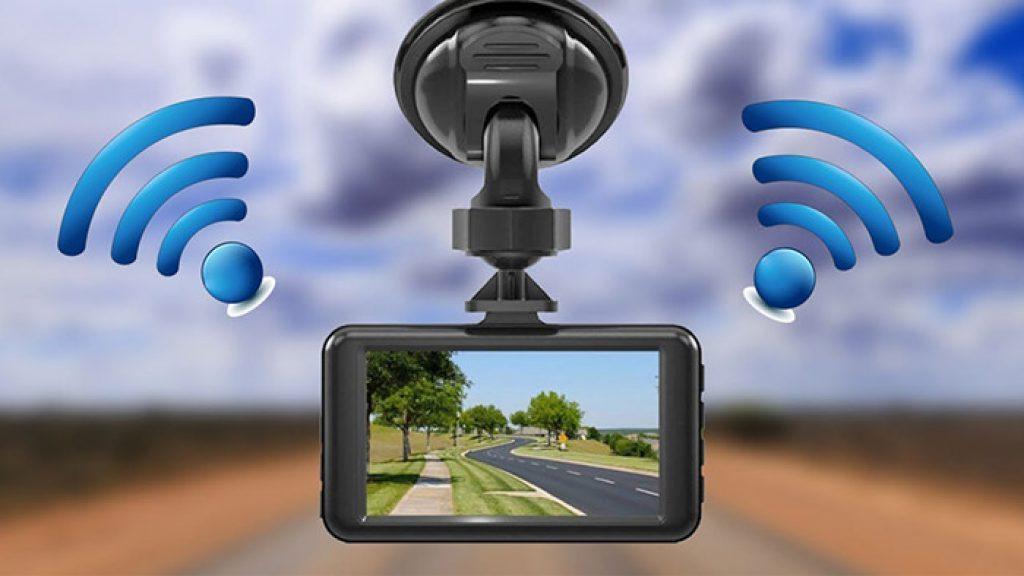
Technology inside vehicles has changed rapidly over the past decade. From smart infotainment systems to advanced driver assistance features, convenience is now a top priority. One of the most searched upgrades today is a cleaner, cable-free recording setup. This wireless dash cam guide explains what “wire-free” really means, how wireless features work, and what true cable-free alternatives exist for drivers who want simple installation and reliable parking security.
Understanding What “Wireless” Really Means
The term “wireless” can be confusing in the dash cam market. Many drivers assume it means a device that works without any wires at all. In reality, most dash cams still require a power source.
When manufacturers describe a dash cam as wireless, they usually mean:
-
The camera connects to your phone via Wi-Fi
-
You can transfer footage without removing an SD card
-
You can control settings through a mobile app
However, even these models often need to be plugged into:
-
A 12V cigarette lighter socket
-
A USB port
-
Or hardwired into the vehicle’s fuse box
So while data transfer may be wireless, power delivery typically is not.
This distinction is important when choosing the right system for your needs.
Dash Cams with Wi-Fi Connectivity
One of the most popular categories covered in this wireless dash cam guide is Wi-Fi enabled dash cams. These models connect directly to your smartphone.
Key Benefits
-
View live footage on your phone
-
Download clips instantly
-
Adjust camera settings remotely
-
Share videos quickly after an incident
This eliminates the need to remove memory cards or plug the device into a computer.
Limitations
-
Still requires a power cable
-
Limited connection range
-
Wi-Fi is mainly for data transfer, not cloud backup
For many drivers, Wi-Fi dash cams offer the right balance between convenience and traditional installation.
Dash Cams with Built-In Batteries
Another option often described as wireless is a dash cam with an internal battery.
How They Work
These cameras contain rechargeable batteries that allow short-term recording without being plugged in continuously. They may:
-
Record briefly after the engine turns off
-
Capture emergency footage during power loss
-
Operate for limited periods without active charging
Important Considerations
-
Battery life is typically short
-
Heat inside vehicles can reduce battery lifespan
-
Most models still need charging during regular use
Built-in batteries provide flexibility, but they are rarely a fully wire-free solution for long-term parking surveillance.
Hardwired vs Plug-In Dash Cams
While discussing wireless systems, it is useful to understand how standard power setups work.
Plug-In Models
-
Use the car’s 12V socket
-
Easy to install
-
Visible cables may hang across the dashboard
Hardwired Models
-
Connected to the fuse box
-
Cleaner appearance
-
Enables parking mode recording
Hardwiring hides cables but still involves installation effort. For drivers seeking a truly wire-free experience, even hardwiring may not feel convenient enough.
True Wire-Free Alternatives: Solar Camera Systems
If your goal is zero cables, you may need to look beyond traditional dash cams.
Solar-powered security cameras designed for outdoor use offer a genuinely wire-free experience. These systems operate using built-in batteries recharged by solar panels, eliminating the need for vehicle power.
One example is the aosu SolarCam series, designed for outdoor vehicle coverage and driveway monitoring.
Why Solar Cameras Are Different
-
Powered by solar energy
-
No connection to the car required
-
Completely cable-free installation
-
Suitable for driveways and parking areas
Instead of mounting inside the vehicle, these cameras are installed near parking spaces to monitor vehicles from outside.
When a Solar Camera Makes More Sense
This wireless dash cam guide would not be complete without addressing parking security. Many incidents happen when a vehicle is unattended.
A solar-powered outdoor camera may be ideal if:
-
You park in a driveway
-
You want coverage around your car, not just inside
-
You prefer zero wiring
-
You want 24/7 monitoring
Unlike traditional dash cams that rely on vehicle batteries, solar cameras operate independently.
Comparing Traditional Wireless Dash Cams and Solar Cameras
|
Feature |
Wi-Fi Dash Cam |
Battery Dash Cam |
Solar Camera |
|
Requires vehicle power |
Yes |
Usually |
No |
|
Fully wire-free |
No |
Rarely |
Yes |
|
Records while driving |
Yes |
Yes |
No |
|
Monitors parked vehicle |
Limited |
Limited |
Yes |
|
Installation effort |
Moderate |
Low to Moderate |
Low |
Each solution serves a different purpose. Traditional dash cams are best for recording road incidents. Solar cameras are better suited for parking security.
Choosing the Right Option for Your Needs
When deciding, consider your priorities:
Choose a Wi-Fi Dash Cam If:
-
You want driving footage
-
You prefer app control
-
You are comfortable with light wiring
Choose a Battery-Based Dash Cam If:
-
You want short parking coverage
-
You need emergency backup recording
Choose a Solar Camera If:
-
You want completely wire-free operation
-
You need driveway security
-
You prefer simple installation
Understanding these differences helps avoid disappointment after purchase.
Installation and Placement Tips
Regardless of the option you choose, proper placement improves performance.
For Dash Cams:
-
Mount behind the rearview mirror
-
Avoid blocking driver visibility
-
Secure cables along trim panels
For Solar Cameras:
-
Install where sunlight exposure is consistent
-
Position for wide vehicle coverage
-
Ensure strong Wi-Fi signal reach
Correct positioning ensures reliable recording and clear footage.
Final Thoughts
This wireless dash cam guide highlights an important reality: most dash cams described as wireless still require power cables. The “wireless” label usually refers to Wi-Fi connectivity rather than cable-free operation.
For drivers who want driving footage and mobile app access, Wi-Fi dash cams offer convenience with minimal compromise. For those focused on true cable-free parking security, solar-powered alternatives like the aosu SolarCam series provide a genuinely wire-free solution.
Before making a decision, clarify your goal. Are you recording road trips and traffic incidents, or securing your parked vehicle overnight? The answer determines which type of system will deliver the cleanest setup and the best protection for your vehicle.

 English
 Français
 Español
 Português
 Deutsch
 Türkçe
 Dutch
Dutch
 Italiano
 Russian
 Romaian