


Tattoo removal for large tattoos in Riyadh
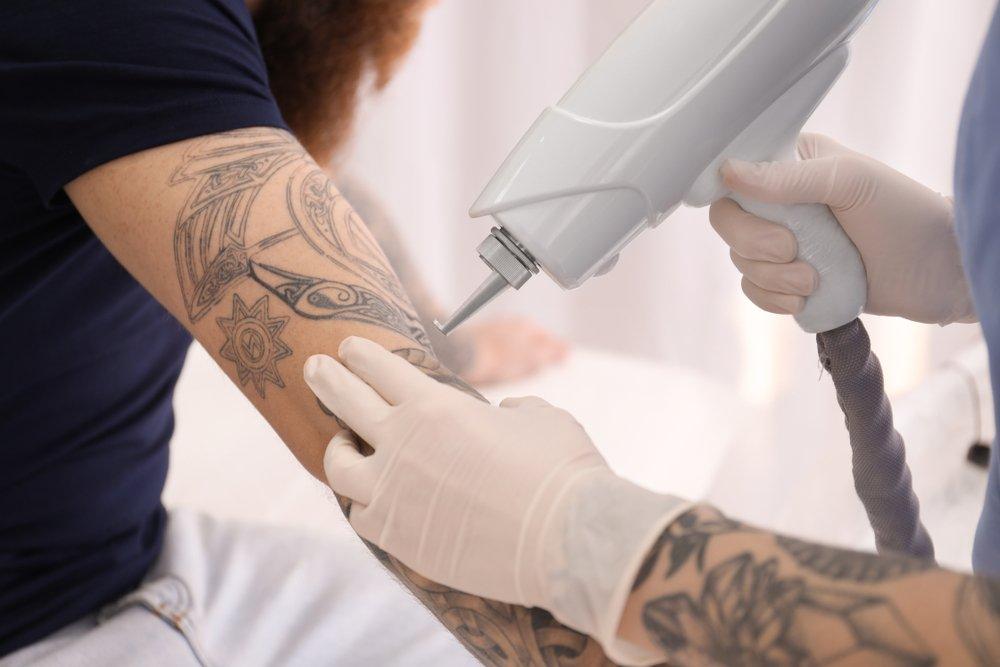
Tattoo removal is a popular cosmetic procedure in Riyadh, with many residents seeking to fade or eliminate unwanted tattoos for personal, professional, or aesthetic reasons. Removing large tattoos, such as full sleeves, back pieces, or chest designs, presents unique challenges compared to smaller tattoos. Effective removal requires careful planning, advanced techniques, and patient commitment to multiple sessions. Many people seek permanent tattoo removal in Riyadh to safely erase unwanted tattoos and restore their natural skin appearance.
1. Challenges of Removing Large Tattoos
Large tattoos are more complex to remove due to several factors:
-
Size and surface area: A larger tattoo naturally takes more time and requires multiple treatment sessions. Clinics in Riyadh usually divide the tattoo into sections to treat systematically.
-
Ink density: Large tattoos often have more ink layers and colors, making complete removal more difficult. Dense ink requires higher energy or more focused laser treatments.
-
Skin sensitivity: Extensive areas increase the risk of irritation, blistering, or temporary pigment changes. Skin on different parts of the body reacts differently, so care must be tailored to each area.
Patients must understand that removing a large tattoo is a gradual process, often requiring several months or even over a year to achieve satisfactory results.
2. Laser Tattoo Removal for Large Tattoos
Laser removal is the most effective and widely used method for large tattoos in Riyadh. Advanced lasers, such as Q-switched and picosecond lasers, target tattoo ink with high-intensity light pulses, breaking it down so the body’s immune system can naturally eliminate the pigment.
Considerations for large tattoos include:
-
Multiple sessions: Large tattoos cannot typically be removed in a single session. Treatment is divided into sections, with 4–8 weeks between sessions to allow skin healing.
-
Energy settings and wavelengths: Different ink colors require specific laser wavelengths, and larger tattoos often contain multiple colors. Clinics in Riyadh carefully adjust settings to target each color effectively.
-
Pain management: The procedure can be uncomfortable, especially over extended areas. Topical numbing creams, cooling devices, or even local anesthesia may be used for patient comfort.
Laser removal offers the best balance of safety, effectiveness, and minimal scarring, making it the preferred choice for extensive tattoos.
3. Non-Laser Options for Large Tattoos
While laser treatment is the most effective, some individuals in Riyadh explore non-laser alternatives, though they are less common for large tattoos:
-
Surgical excision: Suitable only for small portions of a large tattoo due to scarring and tissue limitations. It may be used in combination with laser removal for stubborn areas.
-
Dermabrasion: Mechanical sanding can fade certain sections, but the procedure is painful, carries a higher risk of scarring, and is generally impractical for very large designs.
-
Chemical peels: Can help fade superficial ink but are less effective on deep, multi-colored tattoos and require multiple sessions.
Non-laser methods are usually supplementary for large tattoos rather than primary treatments.
4. Planning and Strategy
Effective removal of large tattoos in Riyadh requires careful planning:
-
Assessment: Dermatologists evaluate tattoo size, color, ink depth, skin type, and overall health before recommending a treatment plan.
-
Segmented treatment: Large tattoos are often removed in sections or quadrants to manage healing, minimize discomfort, and reduce the risk of side effects.
-
Realistic expectations: Complete removal may not be possible for all tattoos, especially multi-colored or heavily layered designs. Patients should anticipate some residual pigment or light scarring.
Setting clear expectations ensures that patients are prepared for the duration, cost, and effort involved.
5. Aftercare for Large Tattoos
Post-treatment care is critical for large tattoos due to the extensive skin area involved:
-
Clean and moisturize: Keep the treated area clean and apply healing ointments as recommended by the dermatologist.
-
Avoid sun exposure: Large areas are more exposed to UV rays, which can cause hyperpigmentation. Sunscreen or clothing protection is essential.
-
Manage blisters or scabs: Blisters may form on larger areas due to laser intensity. Avoid picking at them to prevent scarring.
-
Monitor for infection: The larger the treated area, the higher the risk. Follow clinic instructions and report unusual reactions promptly.
Proper aftercare ensures faster healing and better final results.
6. Cost and Time Considerations
Removing large tattoos is more time-consuming and expensive than smaller tattoos due to:
-
The need for multiple sessions across extended periods.
-
More clinic time per session, higher laser energy usage, and larger amounts of aftercare products.
-
Potential follow-up appointments to address stubborn pigment areas.
Patients in Riyadh should budget both financially and in terms of time and approach the process with patience and commitment.
Conclusion
Tattoo removal for large tattoos in Riyadh requires a well-planned approach, multiple sessions, and careful aftercare. Laser removal remains the most effective and safe method, while non-laser alternatives are generally supplementary or suitable only for specific cases. Patients must consider the size, color, ink density, and location of their tattoo, along with personal pain tolerance and healing capacity, when planning treatment.

 English
 Arabic
 Français
 Español
 Deutsch
 Türkçe
 Dutch
Dutch
 Italiano
 Russian
 Romaian