


Beyond Checklists: Why HIPAA Compliance Management Software Is Becoming the Nervous System of Modern Healthcare
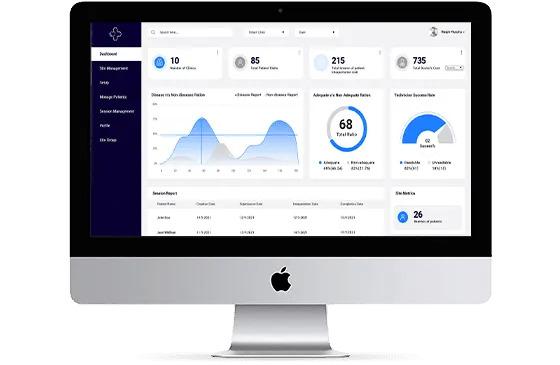
In today’s digital healthcare landscape, protecting patient data is not optional—it’s a legal and ethical necessity. The Health Insurance Portability and Accountability Act (HIPAA) establishes strict standards for safeguarding protected health information (PHI). For healthcare providers, payers, and business associates, maintaining compliance can be complex and time-consuming.
What Is HIPAA Compliance Management Software?
HIPAA compliance management software is a digital solution designed to help healthcare organizations implement, manage, and monitor compliance with HIPAA regulations. It centralizes policies, risk assessments, training, incident response, and documentation into one streamlined platform.
Rather than relying on spreadsheets, manual audits, or disconnected tools, organizations can automate and track compliance efforts efficiently.
Why HIPAA Compliance Is Challenging:
HIPAA compliance involves multiple components:
- Administrative safeguards (policies, workforce training, risk management)
- Physical safeguards (facility access controls, workstation security)
- Technical safeguards (encryption, access controls, audit logs)
- Breach notification procedures
- Ongoing risk assessments and documentation
Healthcare environments are dynamic—new technologies, remote work, third-party vendors, and evolving cybersecurity threats create continuous compliance challenges. Manual processes increase the risk of oversight, human error, and costly penalties.
Key Features of HIPAA Compliance Management Software
Modern HIPAA compliance platforms typically include the following capabilities:
1. Risk Assessment & Risk Analysis Tools
Automated risk assessment modules help identify vulnerabilities in systems, processes, and workflows. They often include guided questionnaires aligned with HIPAA Security Rule requirements.
2. Policy & Procedure Management
Pre-built policy templates and version control features simplify documentation management. Organizations can customize policies and track updates over time.
3. Employee Training & Attestation
Built-in training modules ensure staff understand HIPAA responsibilities. Tracking tools document completion and acknowledgment—critical during audits.
4. Incident & Breach Management
Compliance software allows organizations to document incidents, track investigations, manage corrective actions, and maintain breach notification timelines.
Who Needs HIPAA Compliance Management Software?
HIPAA compliance software is valuable for:
- Hospitals and health systems
- Private practices and specialty clinics
- Telehealth providers
- Health insurance companies
- Medical billing companies
- IT service providers handling PHI
- Any business associate working with healthcare data
Even small practices benefit from structured compliance tools, especially as cyber threats increase.
The Cost of Non-Compliance
HIPAA violations can result in:
- Civil monetary penalties
- Criminal charges in severe cases
- Reputational damage
- Loss of patient trust
- Operational disruptions
Beyond fines, a data breach can cost significantly more in legal fees, remediation, and lost business.
Conclusion
HIPAA compliance platform is not a one-time task—it is an ongoing process requiring continuous oversight, documentation, and improvement. HIPAA compliance management software provides healthcare organizations with the tools to simplify regulatory requirements, reduce risk, and protect patient data effectively.

 English
 Arabic
 Français
 Español
 Português
 Deutsch
 Türkçe
 Dutch
Dutch
 Russian
 Romaian