


How to Test and Replace a GE Rack Power Supply Board
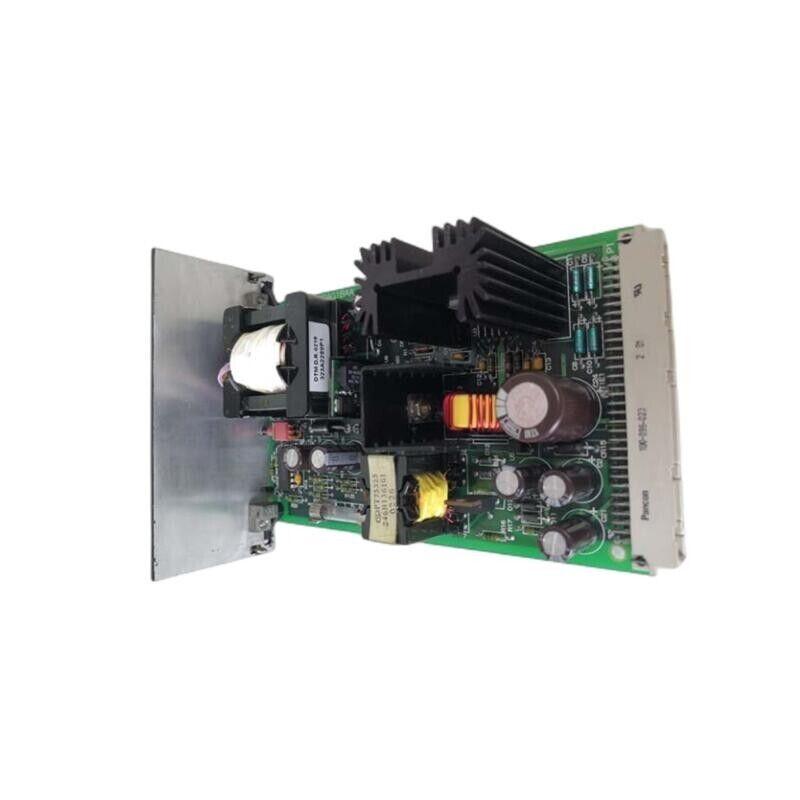
Reliable power distribution is essential in modern turbine control systems. Within many General Electric turbine platforms, the rack power supply board plays a critical role in delivering stable voltage to processors, I/O modules, and protection circuits. In the turbine industry, where downtime directly impacts production and revenue, ensuring the health of this component is a key maintenance priority.
The Role of a Rack Power Supply Board in Turbine Control Systems
Gas and steam turbines rely on advanced control platforms to regulate speed, fuel flow, temperature, and protective shutdown logic. Many facilities operate using systems such as GE Mark VI or GE Mark VIe, which are widely used across industrial power generation sites.
Within these control cabinets, the rack power supply board performs several critical functions:
-
Converts incoming AC or DC power into regulated DC outputs
-
Distributes stable voltage to processors and interface modules
-
Protects sensitive electronics from overvoltage and electrical noise
-
Supports redundancy in high-availability turbine environments
Without consistent power regulation, even the most advanced turbine control system can experience instability, communication errors, or unplanned trips.
Common Signs of Power Supply Board Failure
Early detection of power supply issues can prevent major outages. Typical warning signs include:
System Alarms and Diagnostic Faults
Control systems may generate alarms related to undervoltage, loss of communication, or module resets.
Intermittent Module Behavior
Unexpected processor reboots or fluctuating I/O performance often indicate unstable power distribution.
Physical Damage
Burn marks, swollen capacitors, or loose connectors can signal overheating or internal component failure.
Abnormal Voltage Readings
Output voltages that fall outside specified tolerance ranges suggest regulation problems within the board.
Safety Precautions Before Testing
Turbine control cabinets may contain hazardous voltage levels. Before testing:
-
Follow plant lockout/tagout (LOTO) procedures
-
De-energize the control panel when possible
-
Use calibrated test equipment
-
Wear appropriate personal protective equipment (PPE)
Always adhere to plant safety policies and manufacturer documentation before handling internal components.
Step-by-Step Guide to Testing the Rack Power Supply Board
Step 1: Perform a Visual Inspection
Open the control cabinet and examine the board for visible damage, loose wiring, or excessive dust buildup. In some cases, contamination alone can cause overheating or instability.
Step 2: Verify Input Power
Using a multimeter, measure the incoming voltage to ensure it matches system specifications. If input power is unstable, the issue may originate upstream rather than within the board.
Step 3: Measure Output Voltages
With the system energized (and if safe to do so), measure the regulated DC outputs. Compare readings against documented specifications. Stable and consistent outputs indicate normal operation, while fluctuating or low readings point toward internal failure.
Step 4: Evaluate Redundancy (If Installed)
In redundant configurations, compare readings between primary and backup supplies. Significant variation may indicate degradation in one unit.
How to Replace the Rack Power Supply Board
If testing confirms failure, replacement should be performed carefully to avoid further system disruption.
1. Shut Down the System
Power down the turbine control panel according to established plant procedures.
2. Label and Disconnect Wiring
Clearly label all connectors before removal to ensure accurate reinstallation.
3. Remove the Faulty Board
Unscrew mounting hardware and carefully slide the board out of the rack assembly, avoiding damage to adjacent modules.
4. Install the Replacement Unit
Align the new board with the backplane connectors and secure it properly within the rack.
5. Reconnect and Inspect
Reconnect all cables, checking for secure and correct placement.
6. Restore Power and Verify Operation
Power up the system and monitor startup diagnostics. Confirm that no power-related alarms appear and that all modules initialize correctly.
Why Proper Testing and Replacement Matter in the Turbine Industry
In turbine operations, control system reliability directly impacts safety, efficiency, and regulatory compliance. A malfunctioning rack power supply board can trigger full system trips or compromise protective functions. Proactive inspection, accurate diagnostics, and careful replacement procedures help:
-
Reduce unplanned downtime
-
Protect high-value turbine assets
-
Improve system stability
-
Maintain operational safety
By following structured testing and replacement practices, maintenance teams can ensure consistent performance and long-term reliability in critical turbine control environments.

 English
 Arabic
 Français
 Español
 Português
 Deutsch
 Türkçe
 Dutch
Dutch
 Italiano
 Romaian