Pregnancy brings many physical changes, but sudden swelling of the lips, face, hands, or throat can cause serious concern. When angioedema occurs during pregnancy, treatment decisions must balance maternal safety and fetal well-being. Understanding safe and effective angioedema treatment during pregnancy helps expecting mothers manage symptoms confidently without unnecessary risks.
This detailed guide explores causes, medication safety, emergency management, and preventive strategies for angioedema in pregnancy.
What Is Angioedema?
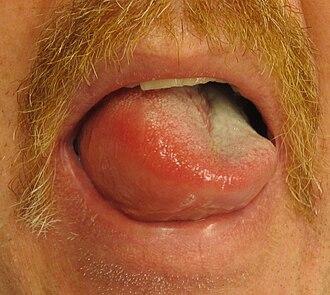
Angioedema is swelling beneath the skin’s surface, often affecting:
-
Lips
-
Eyelids
-
Face
-
Tongue
-
Hands
-
Feet
-
Throat
Swelling may develop rapidly and can range from mild to life-threatening. Proper angioedema treatment is essential, especially during pregnancy when both mother and baby must be protected.
Can Pregnancy Trigger Angioedema?
Yes, hormonal changes can influence immune responses and fluid balance.
Pregnancy-Related Factors That May Trigger Swelling
-
Increased estrogen levels
-
Fluid retention
-
Immune system changes
-
Stress and fatigue
-
Medication sensitivity
In some cases, pregnancy may worsen pre-existing conditions requiring ongoing angioedema treatment.
Types of Angioedema Seen During Pregnancy
1. Allergic Angioedema
Triggered by:
-
Food allergens
-
Medications
-
Insect stings
This form often responds to antihistamine-based angioedema treatment.
2. Chronic Spontaneous Angioedema
Occurs without clear triggers and may fluctuate during pregnancy.
3. Hereditary Angioedema (HAE)
Hormonal changes during pregnancy can increase attack frequency in women with hereditary angioedema. This requires specialized angioedema treatment.
Symptoms That Require Immediate Attention
Seek emergency care if you experience:
Airway involvement demands urgent angioedema treatment regardless of pregnancy stage.
Safe Angioedema Treatment Options During Pregnancy
Medication safety is a top concern for expecting mothers.
1. Antihistamines
Certain antihistamines are commonly used during pregnancy under medical supervision. They help reduce allergic swelling and are often first-line angioedema treatment for mild cases.
2. Corticosteroids
Short-term corticosteroid use may be considered in moderate to severe inflammation when benefits outweigh risks.
3. Epinephrine
In life-threatening allergic reactions, epinephrine is critical and should not be delayed. Emergency angioedema treatment prioritizes maternal airway stabilization, which also protects the baby.
4. C1 Inhibitor Therapy (for Hereditary Angioedema)
For women with HAE, specific therapies may be recommended during pregnancy. Treatment plans must be individualized.
Medications to Avoid During Pregnancy
Some medications used in general angioedema treatment may not be recommended during pregnancy. Always consult a healthcare provider before continuing or starting any therapy.
Avoid:
Professional evaluation ensures safe angioedema treatment decisions.
How Pregnancy Affects Hereditary Angioedema
Hormonal changes, particularly rising estrogen levels, may increase attack frequency in hereditary cases.
Common Triggers During Pregnancy
-
Emotional stress
-
Physical trauma
-
Infections
-
Hormonal fluctuations
Preventive angioedema treatment plans should be reviewed early in pregnancy.
Managing Mild Swelling at Home
If symptoms are mild and breathing is stable, supportive care may help.
Helpful Measures
These supportive strategies complement medical angioedema treatment.
Preventive Strategies During Pregnancy
Prevention reduces stress and emergency risk.
Key Prevention Tips
-
Identify and avoid allergens
-
Maintain regular prenatal checkups
-
Follow prescribed medications carefully
-
Keep emergency medication accessible
-
Manage stress levels
Preventive care strengthens long-term angioedema treatment outcomes.
Delivery Planning for Women with Angioedema
If you have a history of recurrent episodes, delivery planning is important.
Discuss With Your Provider
Preparation ensures continuity of safe angioedema treatment during childbirth.
Postpartum Considerations
Hormonal shifts after delivery may influence symptoms.
Some women experience:
-
Reduced attacks
-
Increased flare-ups
-
Stable condition
Breastfeeding mothers should review medication safety to maintain appropriate angioedema treatment.
Emotional Well-Being and Anxiety
Experiencing swelling during pregnancy can be frightening.
Coping Strategies
-
Understand emergency signs
-
Keep action plans ready
-
Communicate openly with care providers
-
Practice relaxation techniques
Emotional stability supports overall angioedema treatment effectiveness.
When to Seek Specialist Evaluation
Consult a specialist if:
-
Swelling episodes become frequent
-
Diagnosis is unclear
-
There is a family history of hereditary angioedema
-
Standard therapy is ineffective
Expert guidance optimizes personalized angioedema treatment during pregnancy.
FAQs About Angioedema Treatment During Pregnancy
Is angioedema treatment safe during pregnancy
Yes, when prescribed and monitored carefully.
Can pregnancy worsen angioedema
In some women, hormonal changes increase attack frequency.
Is epinephrine safe while pregnant
Yes, in emergencies, it is essential for maternal safety.
Can stress trigger swelling during pregnancy
Yes, stress may increase inflammation and provoke episodes.
Will angioedema affect my baby
Most cases do not directly affect the baby if managed properly.
Long-Term Outlook
With proper monitoring and individualized angioedema treatment, most pregnant women manage symptoms successfully. Early diagnosis, careful medication selection, and emergency preparedness significantly reduce risks.
Pregnancy requires thoughtful care, but angioedema can be safely controlled with informed decision-making.
Final Thoughts
Angioedema during pregnancy can be unsettling, but safe and effective angioedema treatment options are available. Whether allergic, chronic, or hereditary, timely intervention and preventive planning help protect both mother and baby.
By staying informed, working closely with healthcare providers, and preparing for emergencies, expecting mothers can navigate pregnancy confidently while keeping angioedema well-managed and under control.




 English
 Arabic
 Français
 Español
 Português
 Deutsch
 Dutch
Dutch
 Italiano
 Russian
 Romaian