


Complete Guide to Professional Water Heater Installation
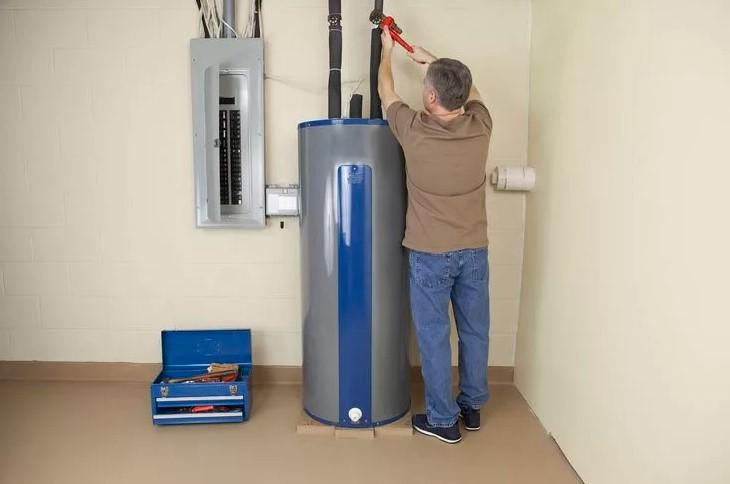
Hot water is a necessity in every modern home, supporting daily activities like bathing, cooking, cleaning, and laundry. When your system fails or becomes inefficient, proper Water Heater Installation becomes essential for comfort, energy efficiency, and safety. Whether you’re replacing an outdated unit or installing one in a new property, understanding the process can help you make informed decisions and avoid costly mistakes.
Why Proper Water Heater Installation Matters
Installing a water heater is more than just connecting pipes and turning on the power. A correctly installed unit ensures:
-
Optimal energy efficiency
-
Consistent water temperature
-
Lower utility bills
-
Reduced risk of leaks or water damage
-
Extended equipment lifespan
-
Compliance with local plumbing and building codes
Improper installation, on the other hand, can lead to serious problems such as carbon monoxide leaks (for gas models), electrical hazards, flooding, or premature system failure.
Types of Water Heaters to Consider
Before beginning a water heater installation project, it's important to choose the right type for your home and needs.
1. Tank Water Heaters
These are the most common systems. They store and continuously heat a large volume of water in a tank (usually 30–80 gallons). They are generally more affordable upfront but may consume more energy over time.
Best for: Larger households with high water usage.
2. Tankless Water Heaters
Also known as on-demand systems, these heat water only when needed. They are energy-efficient and compact but typically cost more initially.
Best for: Homes seeking energy savings and continuous hot water supply.
3. Electric Water Heaters
Powered by electricity, these units are easier to install and maintain but may result in higher operating costs depending on electricity rates.
4. Gas Water Heaters
These use natural gas or propane. They heat water faster and are often more cost-effective to operate but require proper ventilation.
5. Hybrid or Heat Pump Water Heaters
These systems use heat from the air to warm the water, making them highly energy-efficient.
Step-by-Step Water Heater Installation Process
While professional installation is recommended, understanding the process gives you clarity on what to expect.
Step 1: Removing the Old Unit
-
Turn off power (electricity or gas supply).
-
Shut off the water supply.
-
Drain the old tank.
-
Disconnect plumbing and power connections.
Step 2: Positioning the New Heater
-
Place the unit on a level surface.
-
Ensure adequate clearance as required by building codes.
-
Install a drain pan if needed.
Step 3: Connecting Water Lines
-
Attach cold water inlet and hot water outlet pipes.
-
Use proper fittings and sealants to prevent leaks.
Step 4: Installing Temperature and Pressure Relief Valve
This critical safety component prevents excess pressure buildup.
Step 5: Connecting Power or Gas
-
Electric units require secure wiring connections.
-
Gas models require careful gas line connection and venting installation.
Step 6: Filling and Testing
-
Fill the tank with water before powering on.
-
Check for leaks.
-
Test heating functionality.
Because of electrical wiring, gas lines, and local code requirements, hiring a licensed plumber or technician is strongly advised for safe and compliant water heater installation.
How Much Does Water Heater Installation Cost?
The cost varies depending on several factors:
-
Type of water heater
-
Tank vs. tankless system
-
Labor rates in your area
-
Permit requirements
-
Additional plumbing or electrical modifications
On average:
-
Tank water heater installation: $800–$2,000
-
Tankless water heater installation: $1,500–$3,500
While tankless systems have higher upfront costs, they may provide long-term energy savings.
Signs You Need a New Water Heater
If you're unsure whether it’s time for replacement, watch for these warning signs:
-
Inconsistent water temperature
-
Rust-colored water
-
Strange noises from the tank
-
Water leaks
-
Rising energy bills
-
Unit older than 8–12 years
Timely water heater installation prevents emergency breakdowns and potential water damage.
Safety Considerations During Installation
Safety is one of the most important aspects of water heater installation.
-
Always follow manufacturer instructions.
-
Ensure proper ventilation for gas heaters.
-
Install seismic straps in earthquake-prone areas.
-
Set the thermostat to 120°F to prevent scalding.
-
Obtain necessary permits if required.
Improper installation can void warranties and create safety hazards.
Maintenance Tips After Installation
Once your new water heater is installed, proper maintenance ensures longevity and efficiency.
-
Flush the tank annually to remove sediment buildup.
-
Inspect the anode rod every 2–3 years.
-
Check pressure relief valve functionality.
-
Monitor for leaks regularly.
-
Schedule professional inspections when necessary.
Routine maintenance can extend your water heater’s lifespan significantly.
Benefits of Professional Water Heater Installation
While some homeowners attempt DIY installations, professional services offer key advantages:
-
Code-compliant work
-
Warranty protection
-
Proper sizing and system selection
-
Reduced risk of errors
-
Time savings
Hiring a licensed professional ensures peace of mind and long-term performance.
Frequently Asked Questions (FAQs)
1. How long does water heater installation take?
Most standard tank installations take 2–4 hours. Tankless systems may require 4–8 hours depending on plumbing modifications.
2. Can I install a water heater myself?
While technically possible, it’s not recommended unless you have plumbing and electrical experience. Improper installation can cause leaks, gas hazards, or electrical issues.
3. How long does a water heater last?
Traditional tank water heaters typically last 8–12 years. Tankless systems can last up to 20 years with proper maintenance.
4. Do I need a permit for water heater installation?
In many areas, yes. Local building codes often require permits and inspections to ensure safety compliance.
5. What size water heater do I need?
It depends on household size:
-
1–2 people: 30–40 gallons
-
3–4 people: 40–50 gallons
-
5+ people: 50–80 gallons
For tankless systems, sizing depends on flow rate and simultaneous usage.
Conclusion
Outdoor Plumbing System Repair is a critical home improvement task that directly affects comfort, safety, and energy efficiency. Choosing the right system, ensuring proper installation, and maintaining it regularly can save you money and prevent unexpected breakdowns. While DIY installation may seem cost-effective, professional installation provides long-term reliability and peace of mind.

 Arabic
 Français
 Español
 Português
 Deutsch
 Türkçe
 Dutch
Dutch
 Italiano
 Russian
 Romaian