


Predictive modeling: Seeing how your jaw structure changes with 3D software.
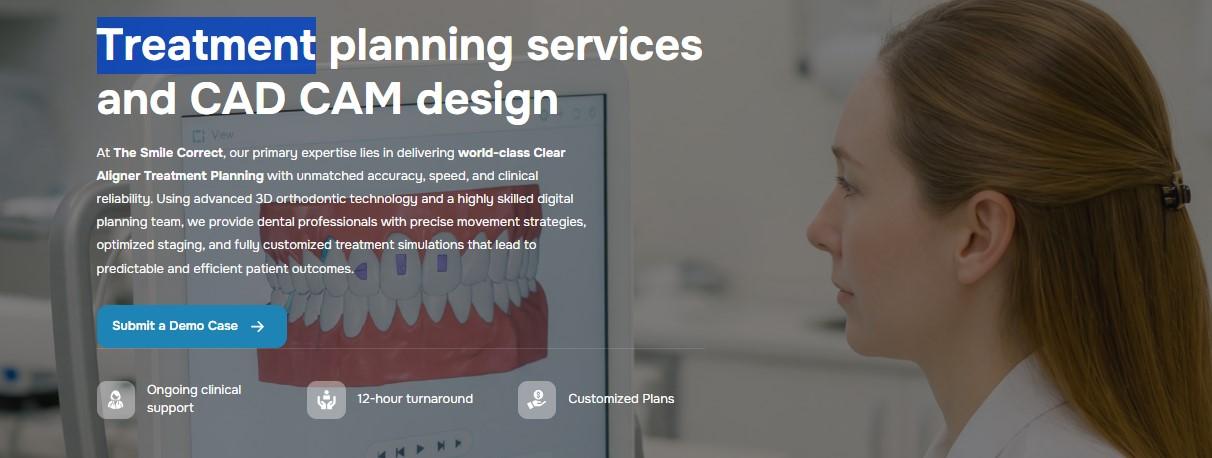
Looking Beneath the Surface
Orthodontics isn't just about the white parts of your teeth; it’s about the roots and the jawbone that holds them. Predictive modeling in 3D software allows doctors to see what is happening beneath the gums. This is vital for ensuring that the teeth stay healthy and stable for a lifetime.
Monitoring Bone Health
If teeth are moved too fast or too far, it can damage the surrounding bone. 3D software can predict these risks by modeling the density of your jaw. This allows the doctor to plan a "safe" speed for your treatment, preventing complications before they ever start.
Jaw Alignment and Symmetry
For patients with jaw asymmetry, 3D modeling is a game-changer. It shows how the upper and lower jaws relate to each other in three dimensions. The software can simulate how correcting the teeth will help bring the jaws into a more balanced and symmetrical position.
Predicting Relapse
One of the biggest fears in orthodontics is the teeth moving back after the braces come off. Predictive modeling can identify which teeth are most likely to "relapse" based on your bone structure. This helps the doctor plan for better retention and more permanent results.
A Scientific Approach
This level of planning turns orthodontics from a "trial and error" process into a precise science. When your doctor uses predictive modeling, they are looking at the long-term future of your dental health, ensuring your new smile is built on a solid, healthy foundation.
The advancement of 3D simulation technology has fundamentally transformed the orthodontic industry. Where patients once had to place blind trust in their orthodontist's expertise, they can now actively participate in treatment planning by visualizing their future results. This technology leverages sophisticated algorithms that analyze facial structure, tooth positioning, and biomechanical factors to create highly accurate predictions of treatment outcomes.
Modern 3D simulation software integrates seamlessly with digital scanning equipment, creating a comprehensive digital workflow that eliminates the need for messy physical impressions. The software processes millions of data points captured during the scanning process, constructing a detailed three-dimensional model that can be manipulated and adjusted in real-time. Orthodontists can show patients multiple treatment scenarios, comparing different approaches and discussing the pros and cons of each option.
Patient engagement has increased dramatically since the introduction of visualization tools. Research indicates that patients who view their projected results before beginning treatment demonstrate higher compliance rates, fewer missed appointments, and greater overall satisfaction. The psychological impact of seeing one's future smile cannot be underestimated—it transforms an abstract concept into a tangible goal that motivates patients throughout their treatment journey.
The technology continues to evolve rapidly, with new features being added regularly. Current systems can simulate not just tooth movement but also changes in facial profile, gum tissue response, and even the impact on speech patterns. Some advanced platforms now incorporate augmented reality features, allowing patients to see their future smile overlaid on their live reflection or photograph. This level of detail helps patients make confident, informed decisions about their orthodontic treatment.
Visualization technology bridges the communication gap that has historically existed between dental professionals and patients. Clinical terminology and technical explanations often leave patients confused and uncertain about what to expect from treatment. By contrast, a visual representation requires no translation—patients immediately understand what their orthodontist is proposing and can provide meaningful feedback about their aesthetic preferences.

 Arabic
 Français
 Español
 Português
 Deutsch
 Türkçe
 Dutch
Dutch
 Italiano
 Russian
 Romaian