


A Practical Guide to Using Adjustable Heel Lifts and Post-Op Shoes for Better Foot Care
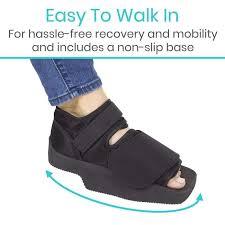
Recovering from foot surgery or managing a long-term foot condition is rarely straightforward. Between navigating pain, limited mobility, and the challenge of walking safely, many people find themselves unsure about which supportive devices actually help — and how to use them correctly. This guide breaks down three commonly recommended tools: post-op shoes, adjustable heel lifts, and shoe balance lifts, so you can make informed decisions during recovery or ongoing foot care.
Why Proper Foot Support Matters More Than You Think
Your feet carry the full weight of your body through every step you take. When one foot is injured, healing incorrectly, or structurally different from the other, the effects ripple upward — into your ankles, knees, hips, and lower back. Poor support during this time does not just slow recovery; it can create secondary problems that take months to resolve.
The right combination of supportive footwear and orthotic devices can reduce pressure on healing tissue, improve your gait, and help you stay mobile during what can be a frustrating period.
Understanding the Post-Op Shoe and When You Need One
A post op shoe — sometimes called a surgical shoe or hard-soled shoe — is designed specifically for use after procedures on the foot or toes. Unlike regular footwear, it has a rigid or semi-rigid sole that limits unwanted movement, protecting sutures, pins, or healing bones from stress during walking.
How to Use a Post-Op Shoe After Foot Surgery
Knowing how to use a post op shoe after foot surgery correctly makes a real difference in outcomes. Here are the key principles most healthcare providers recommend:
Wear it consistently. A post-op shoe only protects when it is on your foot. Skipping it — even for short trips around the house — can place unintended stress on healing areas.
Secure the fit properly. The shoe should feel snug but not tight. Most designs use velcro straps, which allow adjustment if swelling increases or decreases throughout the day.
Do not assume it replaces physical therapy. The shoe supports healing, but your care team's guidance on weight-bearing and movement restrictions is what drives recovery.
For those dealing with forefoot or toe injuries specifically, a post op shoe for broken foot recovery often offloads pressure from the front of the foot by shifting weight toward the heel — which is where heel wedge designs become especially useful. The post-op shoe with a load heel wedge is one example of this design, built to redirect pressure away from the forefoot while maintaining stable support during walking.
Adjustable Heel Lifts: A Practical Solution for Leg Length Discrepancy
Not every foot concern stems from surgery. Many people live with a leg length discrepancy — a condition where one leg is measurably shorter than the other — without realizing it is contributing to chronic pain in their hips, knees, or lower back.
An adjustable heel lift for leg length discrepancy is one of the most accessible ways to address this imbalance. Placed inside the shoe of the shorter leg, it raises the heel incrementally to bring both sides into better alignment.
What makes adjustable versions particularly useful is the ability to gradually increase height rather than jumping straight to full correction. Sudden changes in foot elevation can cause their own muscular strain, so most specialists recommend a phased approach. The Peel-Away adjustable heel lift is designed with this in mind, using removable layers so users can customize the lift height as their body adapts over time.
Maintaining Walking Balance with a Shoe Lift for the Opposite Foot
Here is something many people overlook: when you wear a post-op shoe on one foot, it raises that foot noticeably higher than the other. This height difference — often half an inch or more — throws off your natural walking pattern and can strain your hip, knee, and lower back over time.
The solution is simple but often overlooked. An evenup shoe lift for walking balance attaches to the sole of your opposite, unaffected shoe to even out the height difference. This small adjustment can significantly reduce the awkward, uneven gait that comes with wearing a surgical shoe, making daily movement more comfortable and less taxing on your joints.
The EvenUp shoe lift in size large is a well-known option in this category, designed to strap securely onto most standard footwear and accommodate the added height of a post-op shoe.
Putting It All Together
Foot recovery and management work best when every element supports the others. A post-op shoe protects the healing foot. A heel wedge shoe for offloading pressure keeps weight in the right place. A shoe lift on the opposite side keeps your body aligned. And an adjustable heel lift addresses any underlying structural difference that may have contributed to the problem in the first place.
None of these tools are complicated, but using them correctly and consistently is what determines how well they work. If you are unsure which combination is right for your situation, a podiatrist, orthopedic specialist, or physical therapist can provide guidance tailored to your specific condition.
Supportive recovery is not about doing more — it is about doing the right things carefully and consistently.

 Arabic
 Français
 Español
 Português
 Deutsch
 Türkçe
 Dutch
Dutch
 Italiano
 Russian
 Romaian