


What Is a Hair Transplant Procedure?
A hair transplant procedure is a specialized surgical method designed to restore hair growth in areas affected by thinning or baldness. For individuals seeking Hair Transplant in Dubai, this treatment offers a long-term solution that combines medical expertise with advanced technology. Clinics like Dynamic Life Clinics provide modern facilities and skilled professionals to ensure a safe and effective experience for patients.
Hair transplant surgery is no longer limited to traditional methods; it has evolved with techniques that improve both density and natural appearance. The procedure involves relocating healthy hair follicles from donor areas—usually the back or sides of the scalp—to regions experiencing hair loss. Each transplant is tailored to match the patient's hair texture, growth pattern, and overall aesthetic goals.
Understanding the Types of Hair Transplant Procedures
Hair transplant techniques vary depending on the patient’s condition, desired results, and the surgeon’s expertise. The two most widely used methods include:
-
Follicular Unit Extraction (FUE)
FUE is a minimally invasive technique where individual hair follicles are extracted and implanted into thinning areas. This method leaves tiny, almost invisible scars, making it popular among patients seeking discreet results. -
Follicular Unit Transplantation (FUT)
FUT, also called the strip method, involves removing a thin strip of scalp from the donor area. The follicles are then separated and implanted into the bald region. FUT can cover larger areas efficiently but may leave a linear scar at the donor site.
Both methods aim to restore hair naturally, with permanent results, but the choice depends on factors like scalp elasticity, hair density, and patient preference.
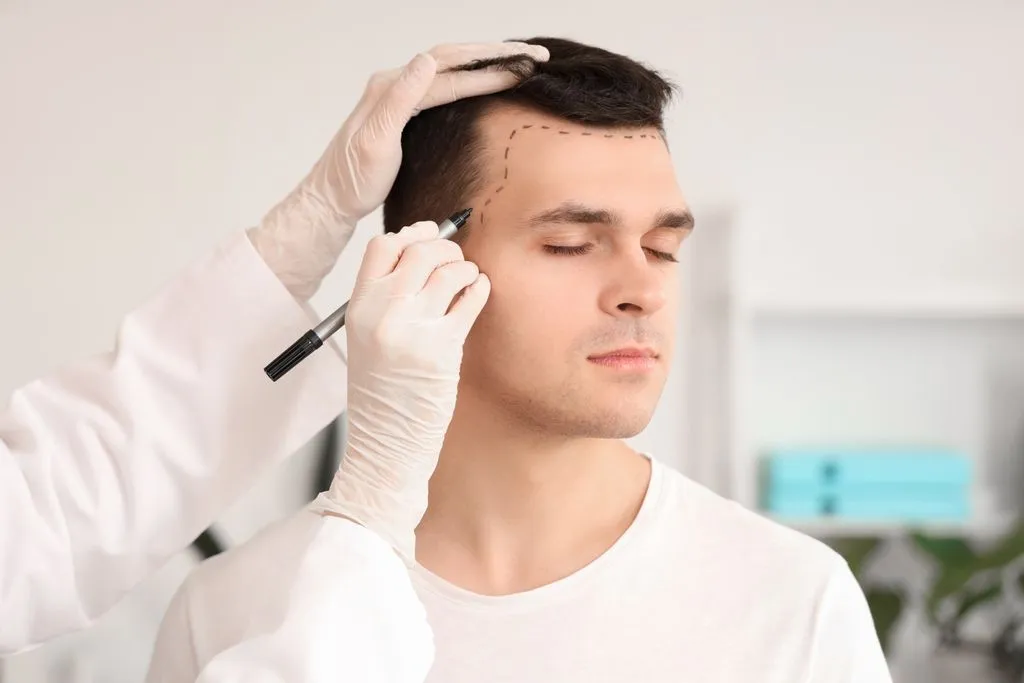
Preparing for a Hair Transplant
Preparation plays a crucial role in achieving successful outcomes. Before undergoing a hair transplant, patients typically undergo:
-
Medical Evaluation – Assessing overall health, scalp condition, and hair loss pattern.
-
Pre-Surgery Instructions – Avoiding medications, alcohol, and smoking that may affect healing.
-
Scalp Cleaning – Ensuring the donor and recipient areas are clean and free from infection.
-
Hair Trimming – Shortening hair in the donor area for easier extraction and transplantation.
Proper preparation reduces risks, improves graft survival, and enhances the overall aesthetic outcome.
The Hair Transplant Procedure Step by Step
Understanding the procedure can help patients feel more confident and prepared. A typical hair transplant involves:
-
Anesthesia Administration – Local anesthesia is applied to numb the donor and recipient areas.
-
Donor Hair Extraction – Using FUE or FUT methods, healthy hair follicles are collected carefully.
-
Graft Preparation – Follicles are cleaned, sorted, and readied for transplantation.
-
Recipient Area Creation – Tiny incisions are made in the balding area, following the natural hair growth direction.
-
Implantation of Follicles – Each follicle is implanted meticulously to ensure uniform density and a natural hairline.
-
Post-Surgery Care – The scalp is treated with antibiotics, anti-inflammatory medications, and instructions for gentle care.
The entire procedure can take several hours depending on the size of the area being treated.
Recovery Process and Post-Operative Care
Recovery after a hair transplant is gradual but manageable with proper care. Key aspects include:
-
Immediate Care – Avoid touching or scratching the treated areas, and follow prescribed medication routines.
-
Scab Formation – Small scabs form around the transplanted follicles, usually healing within 7–10 days.
-
Hair Shedding – Transplanted hair may shed within the first month, which is normal before new growth begins.
-
New Hair Growth – Initial growth appears around 3–4 months, with significant improvement by 6–9 months.
-
Follow-Up Visits – Regular check-ups ensure healing progresses well and address any concerns.
Patients are advised to maintain a healthy lifestyle, avoid direct sun exposure, and use gentle hair care products to support long-term results.
Common Benefits of Hair Transplant
A hair transplant offers more than just physical changes. Some advantages include:
-
Natural-Looking Results – Transplanted hair blends seamlessly with existing hair.
-
Permanent Solution – Once established, transplanted follicles continue to grow for life.
-
Boost in Confidence – Improved appearance often enhances self-esteem and social confidence.
-
Low Maintenance – Transplanted hair requires the same care as natural hair, without special treatments.
These benefits make hair transplants a reliable choice for anyone struggling with hair loss in Dubai.
Who Can Benefit from a Hair Transplant?
Hair transplant procedures are suitable for adults experiencing:
-
Male or female pattern baldness
-
Thinning hair on the crown or frontal areas
-
Hair loss due to trauma or previous surgeries
-
Desire to restore eyebrows, beard, or other hair areas
A consultation with a qualified clinic helps determine candidacy and the most appropriate technique for individual needs.
Conclusion
A hair transplant procedure is a safe and effective method for restoring hair, offering long-term benefits and natural results. With advanced techniques like FUE and FUT, patients in Dubai can achieve improved hair density and a rejuvenated appearance. Careful preparation, following post-operative instructions, and choosing a reputable clinic ensure optimal outcomes. Investing in professional guidance ensures the procedure meets both aesthetic goals and personal confidence expectations.

 English
 Arabic
 Français
 Español
 Português
 Deutsch
 Türkçe
 Dutch
Dutch
 Italiano
 Russian