


Step-By-Step Guide to machine embroidery for beginners
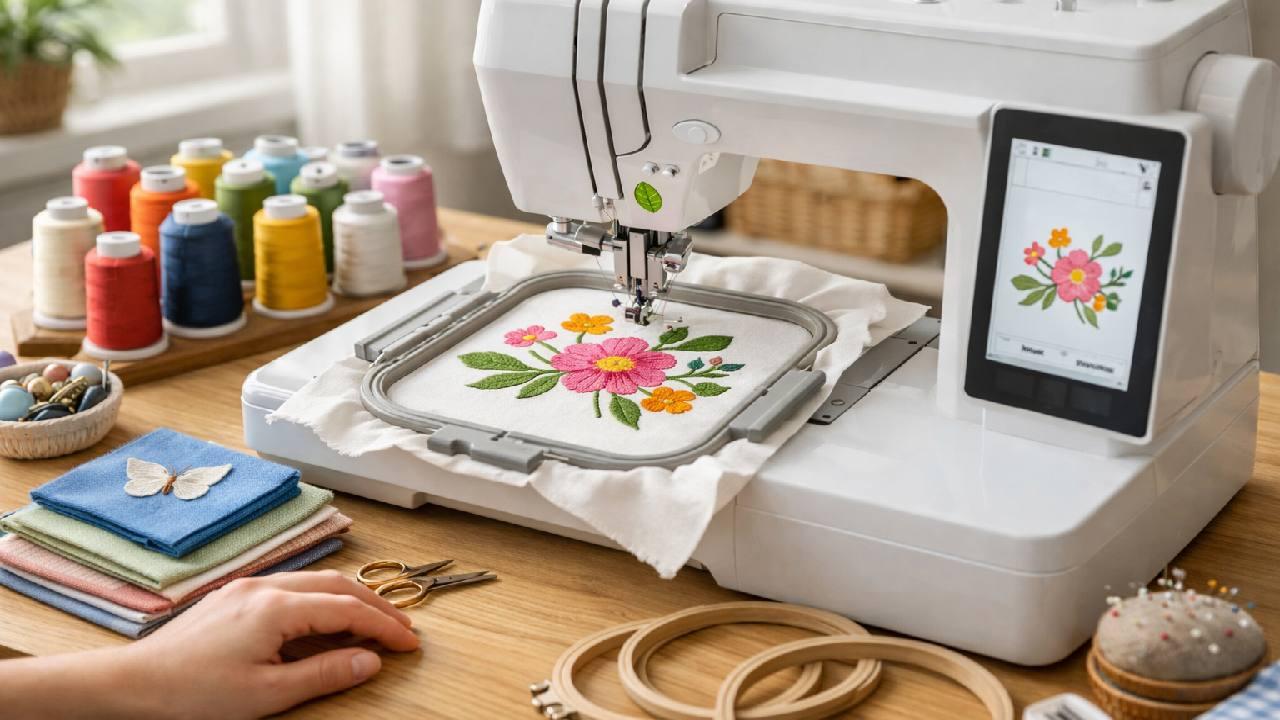
Embroidery has evolved significantly with modern machines, making it accessible for anyone willing to learn. For those just starting out, understanding the essentials of machine operation, fabric handling, and design placement is crucial. This guide to machine embroidery for beginners breaks down the steps to help you create polished embroidery projects from the very first attempt.
Understanding the Basics of Machine Embroidery
Machine embroidery uses a sewing machine equipped with computerized software to stitch patterns automatically. Unlike hand embroidery, the machine follows a digital file that dictates the path, stitch type, and thread changes. Beginners often find this process fascinating because it combines precision with creativity.
Knowing how the machine interprets designs allows you to anticipate results. Even simple patterns require awareness of fabric tension, hoop placement, and thread choice. Mastering these basics early ensures smoother projects and faster learning.
Choosing the Right Materials
Selecting the right tools is essential for success. A beginner-friendly embroidery machine, high-quality threads, needles suitable for your fabric, and stabilizers are all required. Each component affects the quality and durability of your stitching.
Stabilizers prevent fabric from shifting or puckering during embroidery. Different projects require different stabilizers. For instance, tear-away stabilizers are ideal for lightweight fabrics, while cut-away stabilizers provide support for heavier materials. Beginners often learn quickly that the correct stabilizer improves both appearance and ease of stitching.
Fabric Selection and Preparation
Starting with stable fabrics, like cotton or linen, is recommended. These fabrics handle stitches well and allow you to focus on learning without dealing with the challenges of stretch or delicate textures. Hoop the fabric tightly to prevent movement, but avoid stretching it excessively, as this can distort the design.
Testing a small swatch before the final project helps you adjust thread tension and stabilizer type. These initial experiments are invaluable for building confidence and understanding how the machine responds to different materials.
Learning Design Placement
One of the most important skills for beginners is design placement. Even a beautifully stitched design can look unbalanced if it is incorrectly positioned. Accurate placement ensures professional-looking results, especially for garments.
A useful technique to learn is Left Chest Digitizing, which focuses on correctly scaling and positioning logos on the left chest area of shirts, polos, or jackets. Proper placement makes the embroidery appear aligned and visually appealing, which is especially important for uniforms or branded apparel.
Avoiding Common Mistakes
New embroiderers often face challenges such as thread breakage, puckering, or uneven stitches. These issues are usually caused by improper tension, incorrect needle size, or inadequate stabilization. Regular machine maintenance, including cleaning and timely needle changes, prevents many of these problems.
Another common mistake is rushing into complex designs. Beginners should start with simple patterns to master basic stitches and machine settings. Consistency and patience are key to progress.
Developing Skills Through Practice
The journey of machine embroidery for beginners is built on repetition and careful observation. Every project teaches something new about fabric behavior, thread handling, and design choices. Keeping a portfolio of practice pieces allows you to see improvement over time and build confidence.
As skills advance, you can explore more complex designs, experiment with different fabrics, and even create your own digitized patterns. Machine embroidery not only becomes a technical skill but also a creative outlet that lets you transform everyday items into personalized works of art.
EMDigitizer offers practical embroidery tools, including cost calculators, stitch count calculators, and simulators, which help hobbyists and professionals save time, estimate projects accurately, and create high-quality embroidery with ease.
Visit now: EM Digitizer

 Arabic
 Français
 Español
 Português
 Deutsch
 Türkçe
 Dutch
Dutch
 Italiano
 Russian
 Romaian