


Fortifying the Grid: A Comprehensive Guide to EV Charging Security
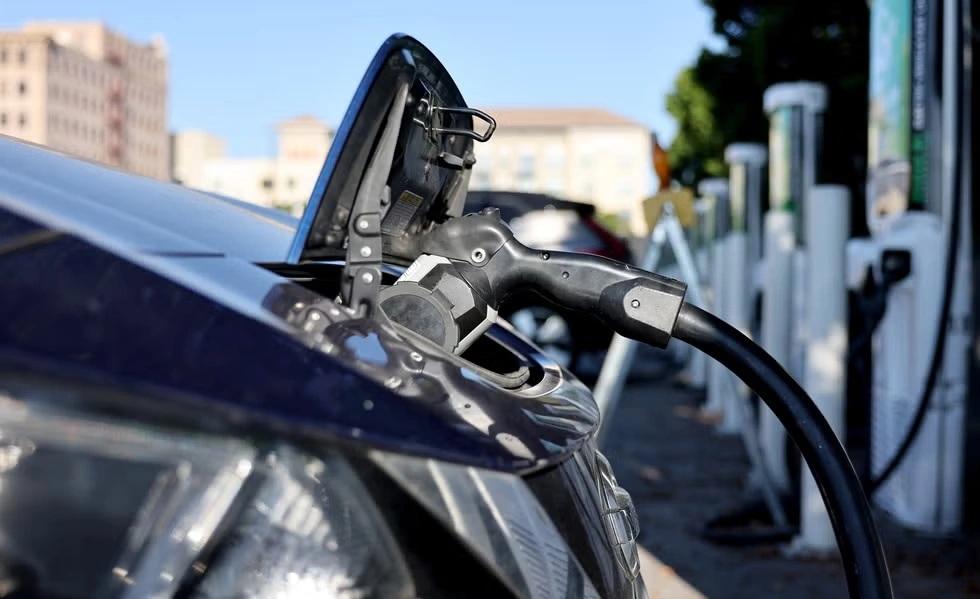
As electric vehicles (EVs) transition from early-adopter novelties to the standard for global transport, the infrastructure supporting them must evolve accordingly. Charging stations are no longer isolated power outlets; they are sophisticated, networked endpoints integrated into homes, corporate fleets, and public hubs.
Because these devices manage high-voltage electricity, financial data, and network communications, they have become prime targets for physical and digital interference. This guide outlines the essential strategies for securing EV infrastructure in an increasingly connected world.
Why Security is the New Priority
Modern EV chargers sit at the intersection of hardware and cyberspace. Unlike a traditional fuel pump, a "smart" charger is an IoT (Internet of Things) device. Security is now critical for three primary reasons:
-
Asset Protection: High-speed chargers are significant capital investments. Theft or vandalism leads to expensive repairs and operational downtime.
-
Energy Integrity: Unsecured units are vulnerable to "energy theft" or unauthorized usage, which can inflate utility bills and strain local electrical grids.
-
Data Sovereignty: Chargers handle sensitive payment information and user credentials. A breach can turn a simple charging station into a gateway for identity theft.
Identifying the Vulnerability Matrix
To build a robust defense, operators must recognize the three main "attack surfaces" of a charging station:
1. Physical Vulnerabilities
-
Material Theft: High copper prices make charging cables a frequent target for scrap metal thieves.
-
Vandalism: Exposed public stations are susceptible to screen damage, connector sabotage, or environmental wear if not properly housed.
-
Unauthorized Access: In residential or shared complexes, "piggybacking" on an open charger can lead to significant unrecovered energy costs.
2. Network & Cyber Risks
-
Entry Point Attacks: An unsecured Wi-Fi or Ethernet connection on a charger can provide a hacker access to the broader home or corporate network.
-
Data Interception: If communication between the car, the charger, and the cloud isn't encrypted, payment details and location data are at risk.
-
Remote Manipulation: Malicious actors could theoretically shut down entire charging networks remotely, disrupting logistics and fleet operations.
3. Software & Firmware Weaknesses
-
Shadow Vulnerabilities: Using default factory passwords or failing to update firmware leaves "backdoors" open for automated botnet attacks.
-
Unverified Updates: Without secure boot protocols, a charger might accept "spoofed" firmware that contains malware.
The Multi-Layered Defense Strategy
Protecting an EV installation requires a "Defense-in-Depth" approach, combining physical barriers with digital encryption.
Phase 1: Physical Hardening
-
Tamper-Proof Mounting: Use specialized security bolts and reinforced pedestals to prevent unit removal.
-
Cable Management: Deploy retractable or lockable cable systems to deter theft and reduce trip hazards.
-
Environmental Surveillance: Ensure stations are well-lit and monitored by CCTV to discourage opportunistic crime.
Phase 2: Digital Fortification
-
Network Segmentation: Always place charging hardware on a separate VLAN (Virtual Local Area Network) to ensure that if a charger is compromised, the main network remains hidden.
-
Mandatory Authentication: Move away from "Plug-and-Charge" in public spaces. Utilize RFID, NFC, or encrypted App-based triggers to ensure only authorized users draw power.
-
Encrypted Protocols: Ensure your hardware supports OCPP (Open Charge Point Protocol) with TLS encryption for all cloud communications.
Phase 3: Proactive Maintenance
-
Automated OTA Updates: Choose chargers that support Over-the-Air (OTA) updates to ensure security patches are applied the moment they are released.
-
Activity Monitoring: Regularly review usage logs to identify anomalies, such as charging sessions occurring at unusual hours or repeated failed login attempts.
The Future of Secure Mobility
As we look toward 2026 and beyond, security technology is becoming more intuitive. We are seeing the rise of AI-driven anomaly detection that can identify a hacked charger based on power-draw patterns, and Blockchain-based billing to anonymize and secure financial transactions.
Conclusion
In the era of sustainable mobility, security is no longer a luxury—it is a functional requirement. By treating EV chargers as critical infrastructure rather than simple appliances, owners and operators can protect their investments and ensure the transition to electric transport remains safe, reliable, and resilient.Find Top China Suppliers, Suppliers, Exporters, Services Providers, Sourcing China Quality Products & Services on the B2B E-Commerce Website Platform Portal.

 English
 Arabic
 Español
 Português
 Deutsch
 Türkçe
 Dutch
Dutch
 Italiano
 Russian
 Romaian