


Seasonal Adjustments and Your Solar Panel Tracking System
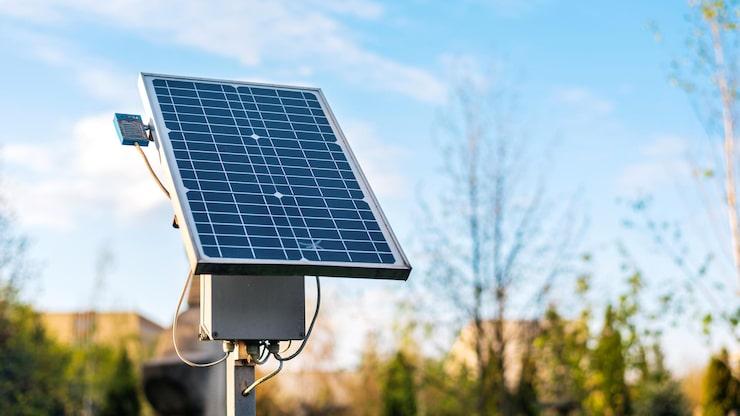
One of the biggest mistakes people make with solar power is forgetting that the sun is much higher in the sky during the summer than it is in the winter. If you have a fixed mount, you are essentially losing power for half the year because the angle is only "correct" for one season.
A high-performance solar panel tracking system can solve this problem. While most DIYers focus on East-to-West tracking, adding a second axis for North-to-South adjustment (tilt) can take your efficiency to the absolute maximum. This allows the panel to perfectly track the sun’s seasonal arc.
The Advantages of a Dual-Axis Solar Tracker
A dual-axis Solar Tracker is the "gold standard" of renewable energy. It ensures that the panel is always perpendicular to the sun’s rays, no matter what time of day or what month of the year it is. This is especially useful for those living in high latitudes where the sun’s position changes drastically.
Summer Peak Performance
In the summer, the sun is high and stays in the sky for a long time. A tracker allows you to capture those early 5 AM rays and the late 8 PM rays that a roof-mounted system would miss entirely. This can double your daily energy harvest during the peak of the summer months.
Winter Resilience
In the winter, the sun barely clears the horizon in some areas. A tracker can tilt the panel almost vertically to face the sun directly. This also has the added benefit of helping snow slide off the panels, ensuring they stay clear and active even during the coldest parts of the year.
Simplifying Seasonal Tracking
If a full dual-axis system is too complex for your build, you can use a "manual seasonal adjustment." This means you build a single-axis tracker but include a hinge that allows you to manually change the tilt once every three months. This gives you most of the benefits of dual-axis tracking with much less mechanical complexity.
Setting the Angles
You can find the correct seasonal angles for your specific latitude online. Usually, you want the tilt to be your latitude plus 15 degrees in the winter, and your latitude minus 15 degrees in the summer. Making these small adjustments four times a year can lead to a 10-15% boost in total annual production.
Seasonal Maintenance Tasks
-
Check for ice buildup on the motor housing.
-
Adjust the tilt for the upcoming season.
-
Clear any overgrown vegetation that might block the low winter sun.
-
Re-calibrate sensors if the light quality changes significantly.
Conclusion
Don't let the changing seasons rob you of your solar power. Whether you choose a fully automated dual-axis system or a manual seasonal adjustment, keeping the sun's height in mind is crucial. Tracking the sun's full path ensures you get the most out of your system all year round.

 Arabic
 Français
 Español
 Português
 Deutsch
 Türkçe
 Dutch
Dutch
 Italiano
 Russian
 Romaian