


The Complete Guide to Kitchen Appliance Repair and Maintenance
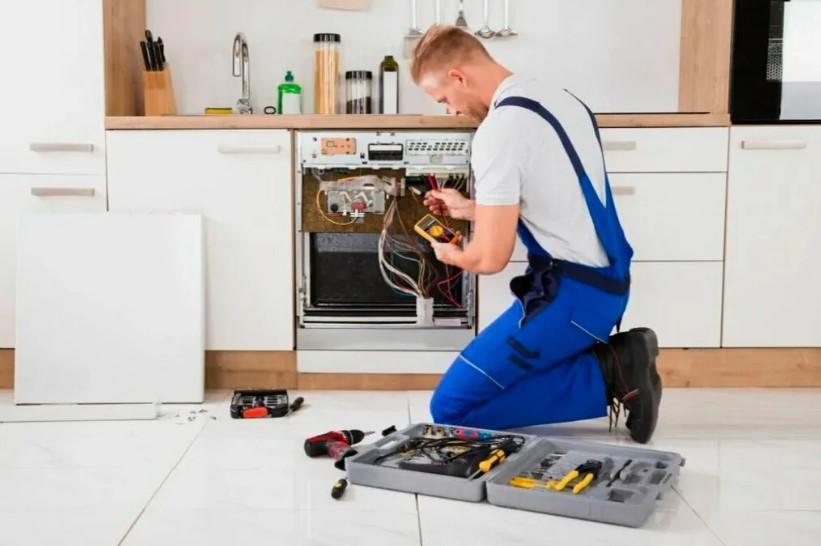
Modern kitchens rely heavily on appliances to keep daily life running smoothly. From refrigerators preserving fresh food to ovens baking family meals, these machines are essential. When one breaks down, it can disrupt your entire routine. That’s where professional Kitchen Appliance Repair services become invaluable. Understanding common issues, maintenance practices, and when to call an expert can save time, money, and stress.
Why Kitchen Appliance Repair Matters
Kitchen appliances are significant investments. Replacing a refrigerator, dishwasher, or range can cost hundreds or even thousands of dollars. Timely repair often extends the lifespan of these appliances, making it a cost-effective alternative to replacement. Additionally, malfunctioning appliances can increase energy consumption, leading to higher utility bills. Proper repairs ensure optimal efficiency and safety.
Ignoring minor problems can lead to larger, more expensive issues. For example, a small leak in a dishwasher could result in water damage to cabinetry and flooring. Addressing problems early through professional kitchen appliance repair prevents costly consequences down the line.
Common Kitchen Appliance Problems
Understanding common appliance issues can help you act quickly when something goes wrong.
1. Refrigerator Not Cooling Properly
A refrigerator that fails to maintain the correct temperature can spoil food and increase energy costs. Common causes include dirty condenser coils, malfunctioning thermostats, or faulty compressors. Regular cleaning and timely repairs can restore efficiency.
2. Oven or Stove Heating Issues
If your oven isn’t heating evenly or your burners won’t ignite, the issue may stem from defective heating elements, igniters, or temperature sensors. Prompt repair ensures safe cooking and consistent results.
3. Dishwasher Not Draining
Standing water at the bottom of a dishwasher often indicates clogged filters, blocked drain hoses, or pump problems. Quick intervention prevents unpleasant odors and potential water damage.
4. Microwave Not Working
Microwaves may stop heating due to faulty door switches, blown fuses, or magnetron issues. Because microwaves contain high-voltage components, professional repair is strongly recommended.
5. Garbage Disposal Jams
Garbage disposals can jam from improper use or foreign objects. While minor clogs may be cleared safely, persistent problems often require expert inspection.
Benefits of Professional Kitchen Appliance Repair
While some minor maintenance tasks can be handled at home, professional repair services offer several advantages:
Expert Diagnosis
Technicians are trained to quickly identify the root cause of the issue, reducing guesswork and preventing unnecessary part replacements.
Safety Assurance
Kitchen appliances often involve electricity, gas, or water connections. Professional repair ensures safety standards are met and reduces the risk of accidents.
Warranty Protection
DIY repairs can void manufacturer warranties. Certified repair technicians help maintain warranty coverage.
Cost Savings
Repairing an appliance is often significantly cheaper than replacing it. Professionals also help extend the lifespan of your equipment, maximizing your investment.
Preventative Maintenance Tips
Preventative care reduces the need for frequent kitchen appliance repair. Here are some practical maintenance tips:
-
Clean refrigerator coils every six months to improve cooling efficiency.
-
Check oven seals regularly to prevent heat loss.
-
Run cleaning cycles on dishwashers to remove buildup.
-
Avoid overloading appliances, which can strain motors and components.
-
Inspect hoses and connections for leaks or wear.
-
Use appliances according to manufacturer guidelines to prevent misuse.
Regular maintenance not only enhances performance but also reduces unexpected breakdowns.
When to Repair vs. Replace
One common question homeowners face is whether to repair or replace a faulty appliance. Consider these factors:
-
Age of the Appliance: If it’s near the end of its expected lifespan (typically 10–15 years for most major appliances), replacement may be more cost-effective.
-
Repair Cost: If the repair costs more than 50% of the price of a new appliance, replacement might be the better option.
-
Energy Efficiency: Newer models often offer improved energy efficiency, which can lower long-term operating costs.
-
Frequency of Breakdowns: Repeated repairs may signal that it’s time for an upgrade.
Consulting a trusted kitchen appliance repair technician can help you make an informed decision.
Choosing the Right Kitchen Appliance Repair Service
Not all repair services are equal. When selecting a provider, consider the following:
-
Experience and Certifications
-
Customer Reviews and Testimonials
-
Transparent Pricing
-
Warranty on Repairs
-
Availability of Emergency Services
A reliable company should offer clear communication, upfront estimates, and dependable service.
The Environmental Impact of Appliance Repair
Repairing appliances instead of replacing them reduces electronic waste. Discarded appliances contribute to landfill growth and environmental pollution. By choosing repair, homeowners play a small but meaningful role in promoting sustainability. Extending appliance life also conserves the resources and energy required to manufacture new products.
The Future of Kitchen Appliance Repair
With the rise of smart appliances, kitchen appliance repair is evolving. Technicians now need expertise in software diagnostics and connected systems. Many modern appliances can self-diagnose issues, making repairs more precise and efficient. As technology advances, professional repair services will continue adapting to meet changing demands.
Frequently Asked Questions (FAQs)
1. How long do most kitchen appliances last?
Most major kitchen appliances last between 10 to 15 years, depending on usage and maintenance. Regular servicing can help extend their lifespan.
2. Is it worth repairing an old appliance?
It depends on the age, condition, and repair cost. If the appliance is relatively new and the repair is affordable, fixing it is usually worthwhile.
3. Can I perform kitchen appliance repair myself?
Basic maintenance like cleaning filters or coils can be done at home. However, electrical or gas-related repairs should always be handled by professionals for safety reasons.
4. How can I reduce the need for frequent repairs?
Routine maintenance, proper usage, and addressing minor issues early can significantly reduce the need for major repairs.
5. How quickly should I call for repair after noticing a problem?
As soon as you detect unusual noises, leaks, or performance issues, it’s best to schedule a repair to prevent further damage.
Conclusion
Kitchen appliances are central to modern living, and their proper functioning ensures convenience, efficiency, and comfort in daily routines. Investing in professional Emergency Appliance Repair services helps extend appliance life, reduce expenses, and maintain safety. With regular maintenance and timely repairs, homeowners can avoid costly replacements and unexpected disruptions. Whether dealing with a minor malfunction or a major breakdown, acting quickly and choosing experienced professionals ensures your kitchen continues to operate at its best for years to come.

 Arabic
 Français
 Español
 Português
 Deutsch
 Türkçe
 Dutch
Dutch
 Italiano
 Russian
 Romaian