


Tips for Creating Green Areas in Your Backyard
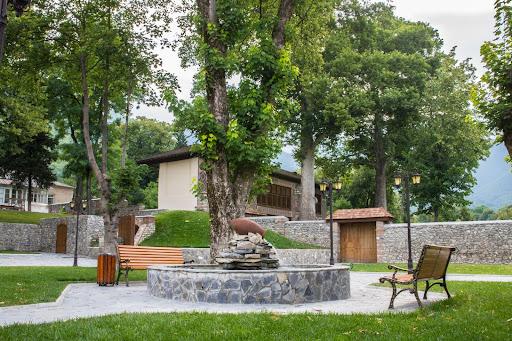
To create vibrant green areas in our backyard, we should focus on low-maintenance landscaping, like planting native perennials and shrubs that require less water and care. Incorporating sustainable water management techniques, like rain barrels and drip irrigation, can minimize water usage. Plus, adding energy-efficient lighting enhances our outdoor experience. By designing functional spaces with comfortable seating and pathways, we can maximize our enjoyment. Let’s explore more tips and strategies to transform our outdoor spaces into eco-friendly havens.
Low-Maintenance Landscaping Options
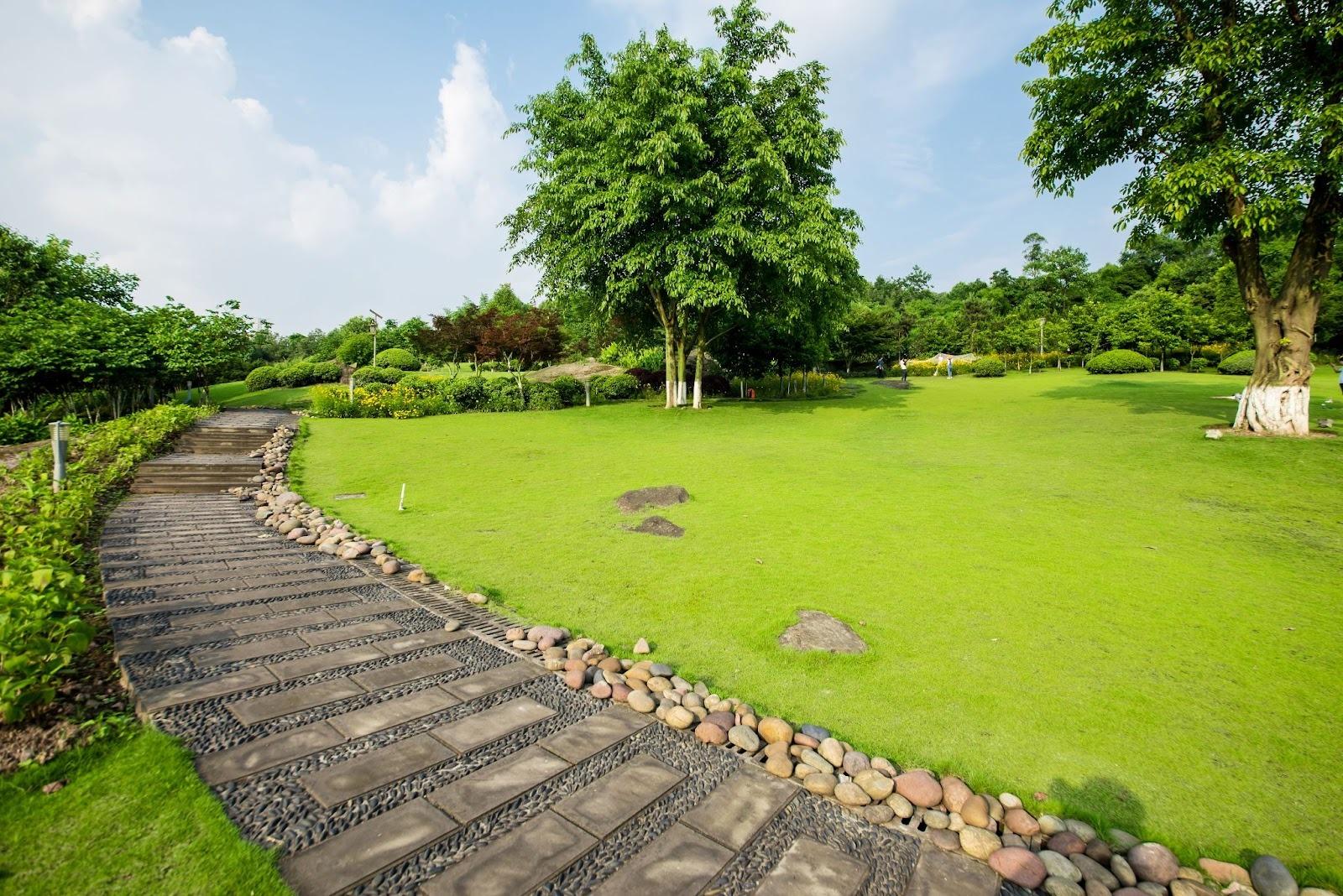
When we think about creating a beautiful backyard, opting for low-maintenance landscaping options can make our lives easier while keeping the environment in mind.
One in three of us has increased efforts toward environmentally friendly practices, and 70% prefer eco-friendly products. By planting perennials or shrubs, we can enjoy minimal upkeep.
Choosing native plants not only reduces our need for watering, fertilizers, and pesticides but also helps store excess carbon dioxide, improving our air quality.
This approach allows us to create a thriving garden that supports local ecosystems while minimizing our effort.
Together, we can transform our backyards into sustainable havens that are both beautiful and easy to maintain.
Sustainable Water Management Techniques
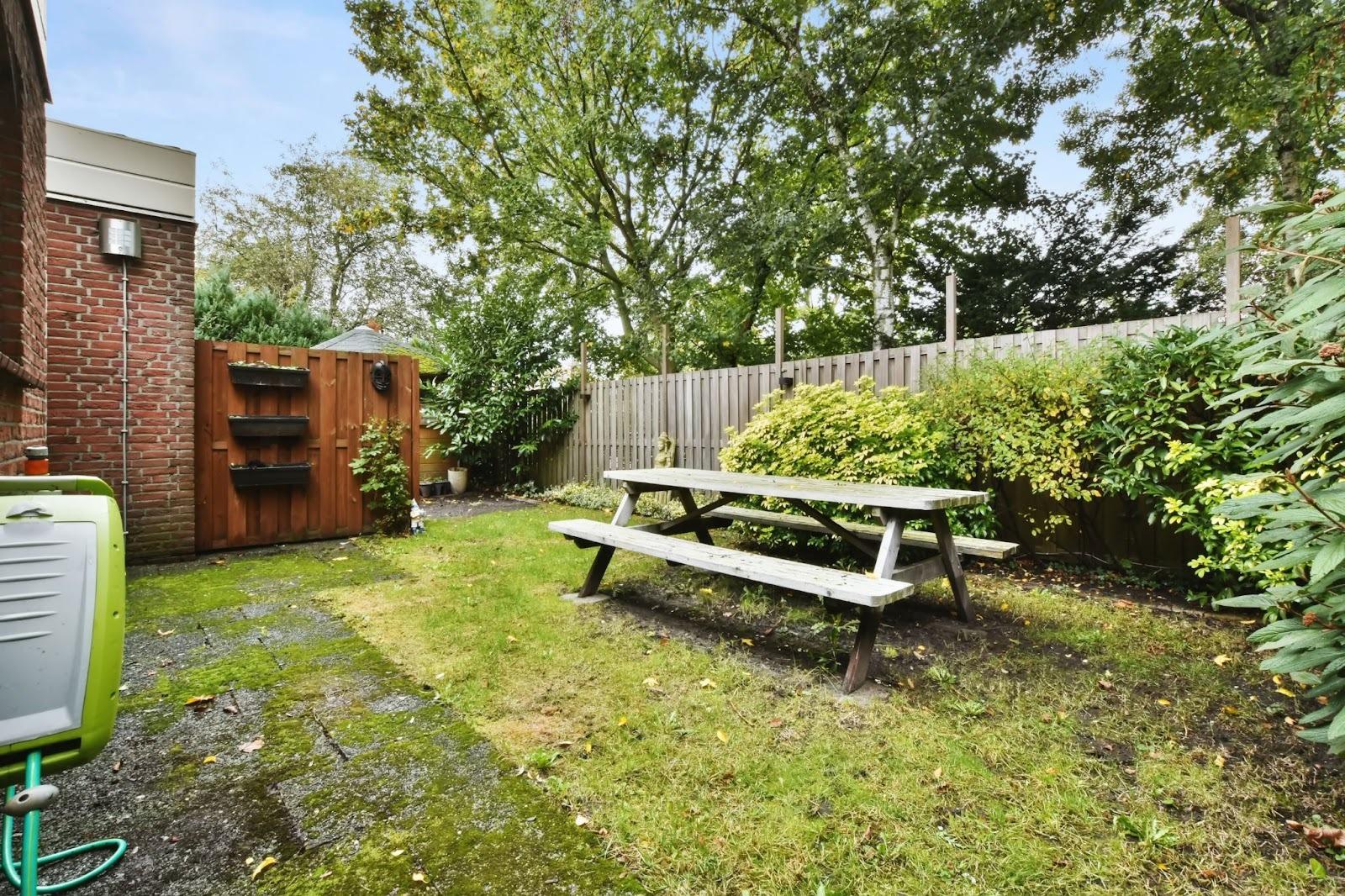
To create a sustainable backyard, we need to implement effective water management techniques that maximize our resources while minimizing waste.
By adopting these practices, we can guarantee our gardens thrive without depleting local water supplies. Here are some key strategies we can use:
-
Collect rainwater: Install rain barrels to capture runoff from roofs for irrigation.
-
Drip irrigation: Use this system to deliver water directly to plant roots, cutting consumption by up to 90%.
-
Native plants: Choose flora that requires less water and adapts to local conditions.
-
Mulching: Apply organic mulch to retain soil moisture and reduce evaporation.
-
Soil health: Regularly test and amend soil to improve its water retention capabilities.
Implementing these techniques will help us create a lush, sustainable environment.
Energy-Efficient Outdoor Lighting Solutions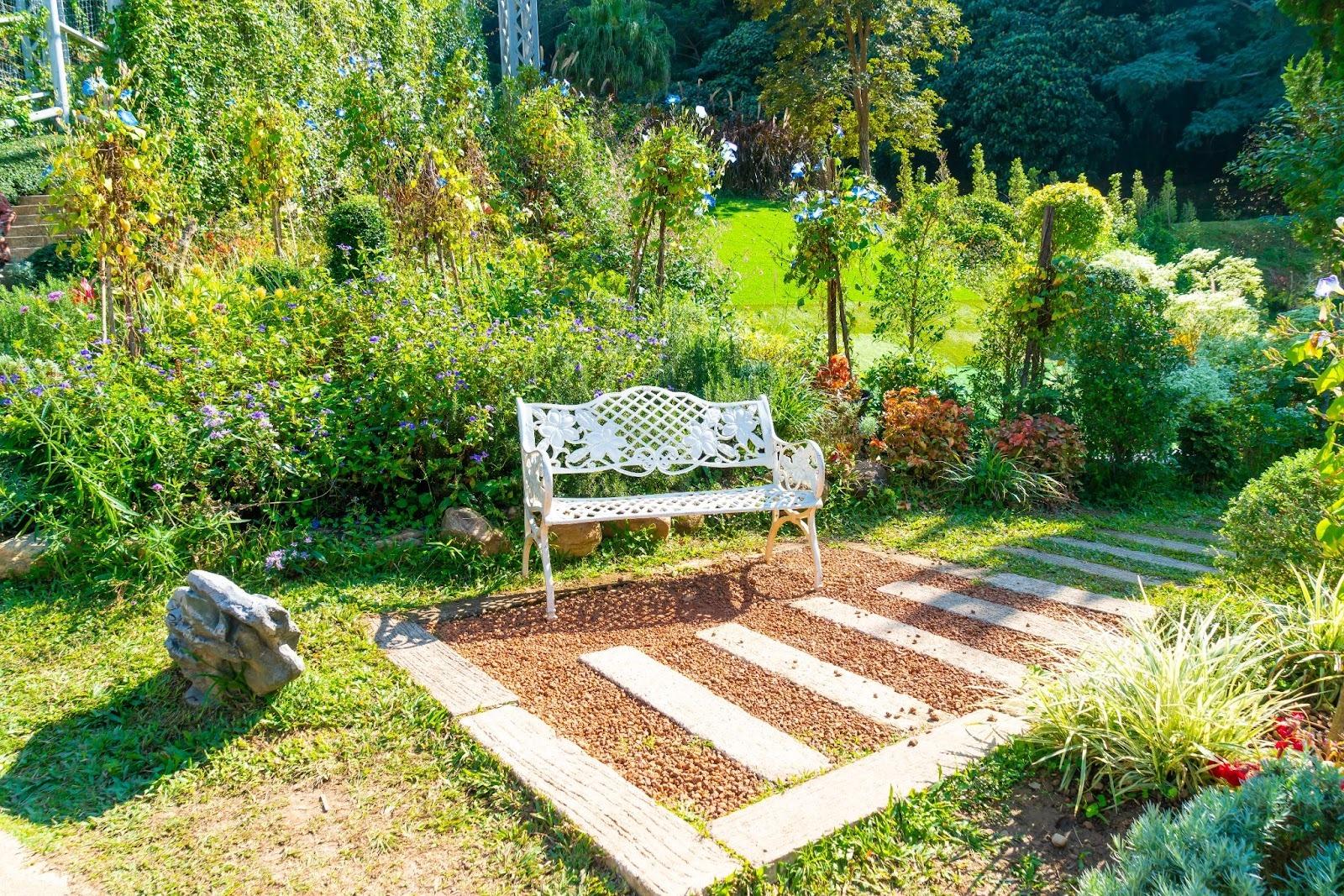
As we look to enhance our outdoor spaces, energy-efficient outdoor lighting solutions play an essential role in creating an inviting atmosphere while minimizing our ecological footprint.
By replacing outdated landscape lighting with modern options, we can greatly reduce energy consumption. Solar-powered lights are great for illuminating pathways and garden features without relying on electricity.
LED lights are another excellent choice, lasting longer and using much less energy than traditional bulbs. These sustainable lighting options not only brighten our outdoor areas but also contribute to overall energy conservation.
Embracing these solutions allows us to enjoy our gardens after dark, enhancing our outdoor experience while being mindful of the environment.
Let’s illuminate our spaces responsibly and beautifully!
Designing Functional Outdoor Spaces
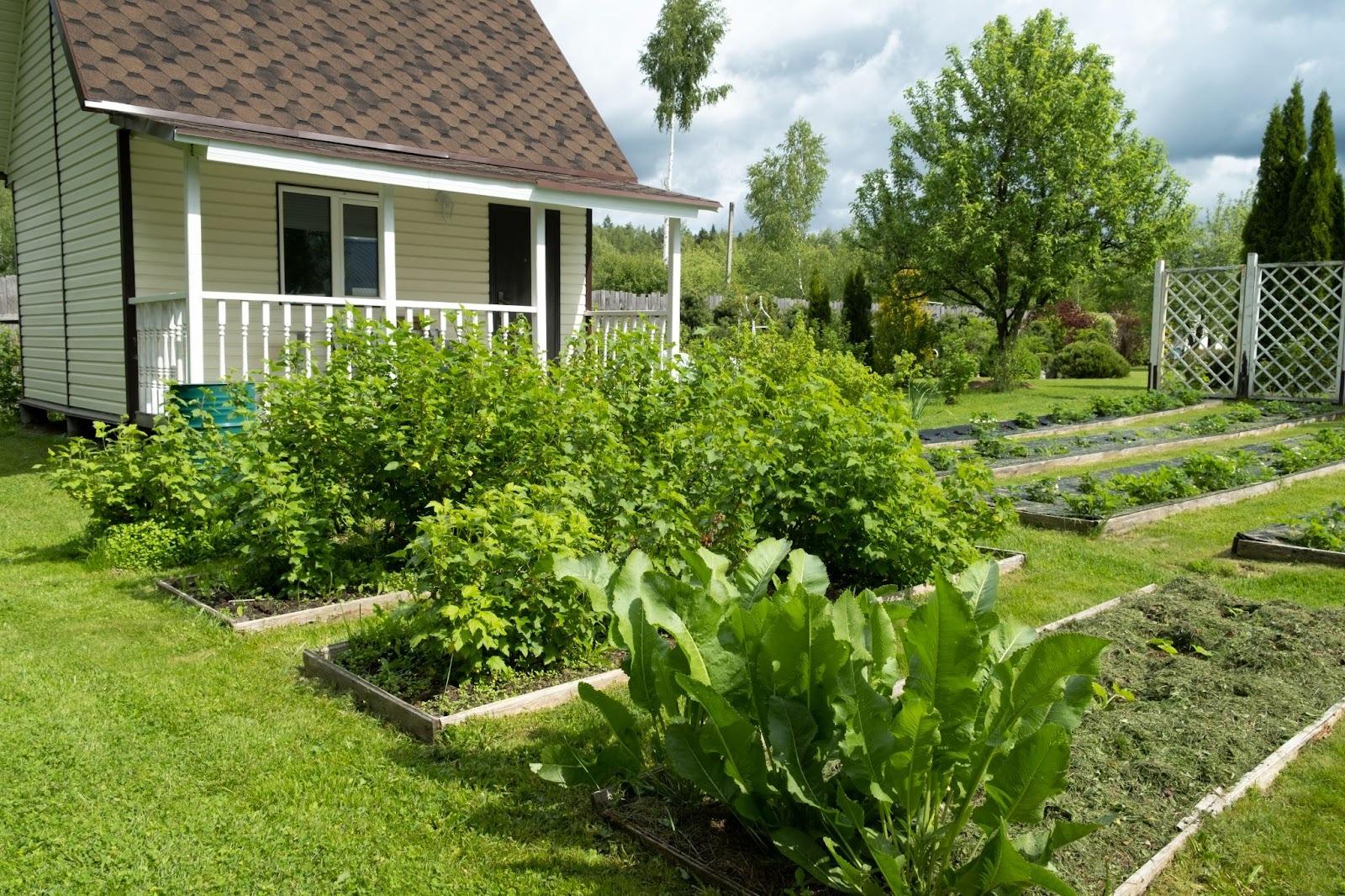
Creating functional outdoor spaces is essential for maximizing the enjoyment and usability of our backyards.
By thoughtfully designing our areas, we can create inviting spots that cater to our needs.
Here are some key elements to contemplate:
-
Define distinct zones for various activities, like dining or relaxing.
-
Incorporate comfortable seating to encourage family gatherings and socializing.
-
Utilize pathways to connect different areas, making movement easy and intuitive.
-
Add greenery to enhance aesthetics and create a cozy atmosphere.
-
Plan for privacy with natural barriers like shrubs or decorative screens.
Seasonal Maintenance and Plant Care Strategies
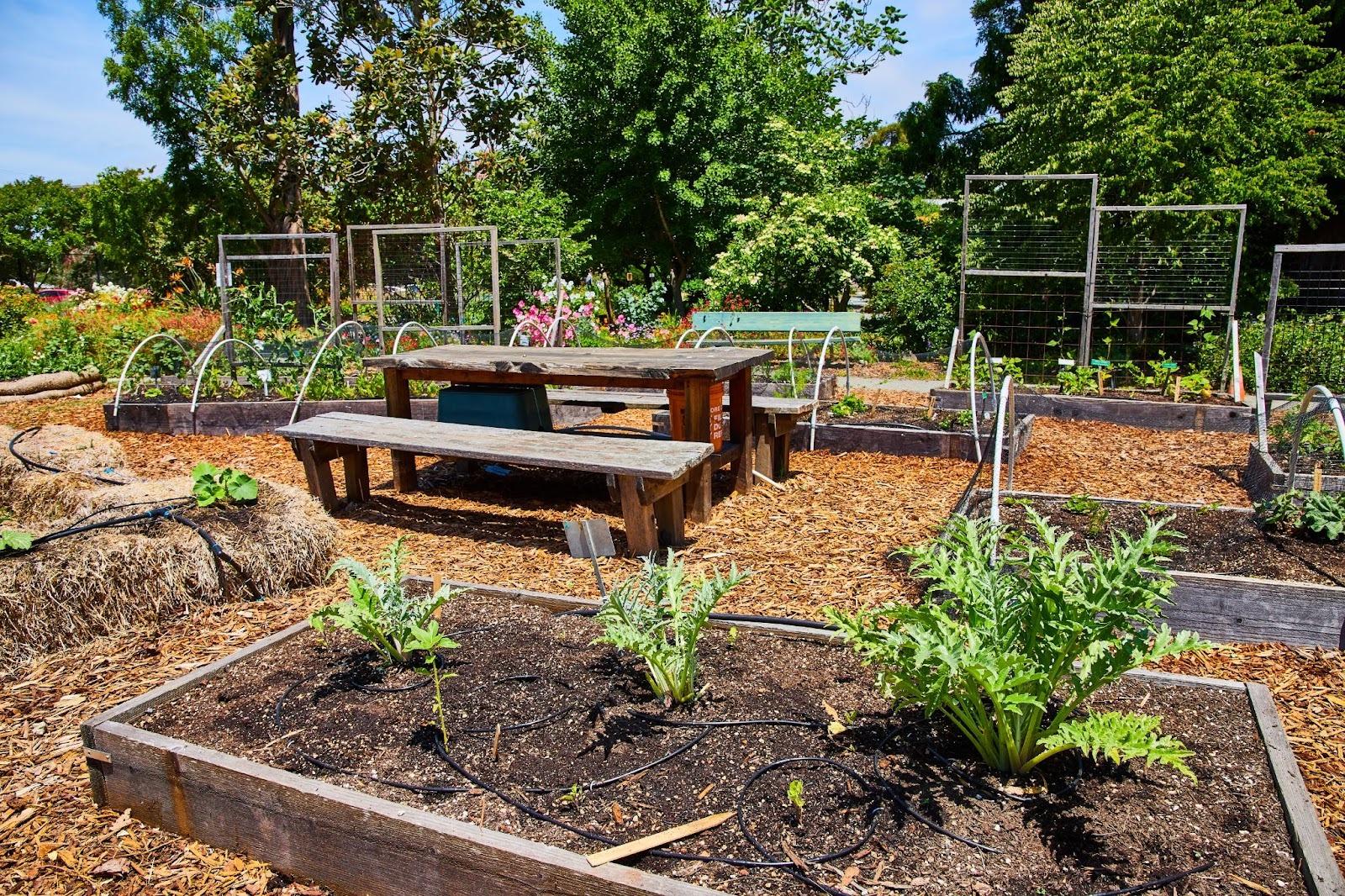
While seasonal maintenance and proper plant care may seem challenging, they’re essential for keeping our gardens thriving throughout the year.
Regular tasks, like pruning and trimming, help maintain plant health and aesthetics. By removing dead branches and shaping hedges, we can encourage robust growth and vibrant blooms.
Soil care is equally important; testing for nutrients and pH guarantees our plants have a solid foundation.
Additionally, utilizing containers allows us to overcome root competition while adding visual interest. As we focus on bold foliage and textures, we’ll create rhythm and movement in our gardens.
With thoughtful seasonal maintenance, we’ll enhance our outdoor spaces and enjoy their beauty every day.
Frequently Asked Questions
How Can I Attract Wildlife to My Backyard Garden?
To attract wildlife to our backyard garden, we can plant native flowers, provide water sources, and create shelter with diverse plants. Let’s avoid pesticides and embrace natural habitats to invite birds, butterflies, and beneficial insects.
What Are the Benefits of Composting in My Garden?
Composting’s benefits for our garden are immense! It enriches soil, reduces waste, and promotes healthy plant growth. Plus, it attracts beneficial organisms, helping us create a thriving ecosystem right in our own backyard.
How Do I Choose the Right Mulch for My Plants?
When we’re choosing the right mulch for our plants, we should consider factors like plant type, climate, and desired aesthetics. Organic options enrich soil, while inorganic choices offer durability. Let’s make informed decisions for our gardens!
Which Plants Are Best for Attracting Pollinators?
When we think about attracting pollinators, we should consider planting native wildflowers, lavender, and coneflowers. These vibrant plants not only draw bees and butterflies but also enhance the beauty of our outdoor spaces.
How Can I Create a Rain Garden in My Backyard?
To create a rain garden, we’ll start by selecting a low-lying area, then incorporate native plants that absorb excess water. It’s essential to design the garden to enhance drainage and promote biodiversity effectively.
Conclusion
To sum up, by embracing these tips, we can transform our backyards into sustainable green spaces that not only enhance our lives but also support the environment. Whether we’re opting for low-maintenance landscaping or implementing efficient water management techniques, every small effort counts. Let’s commit to creating inviting outdoor areas that reflect our love for nature while promoting biodiversity. Together, we can cultivate eco-friendly havens that benefit both us and the planet for years to come!

 English
 Arabic
 Français
 Español
 Português
 Deutsch
 Türkçe
 Dutch
Dutch
 Italiano
 Romaian