


High Court Officer Guide – Powers, Process & Enforcement Explained
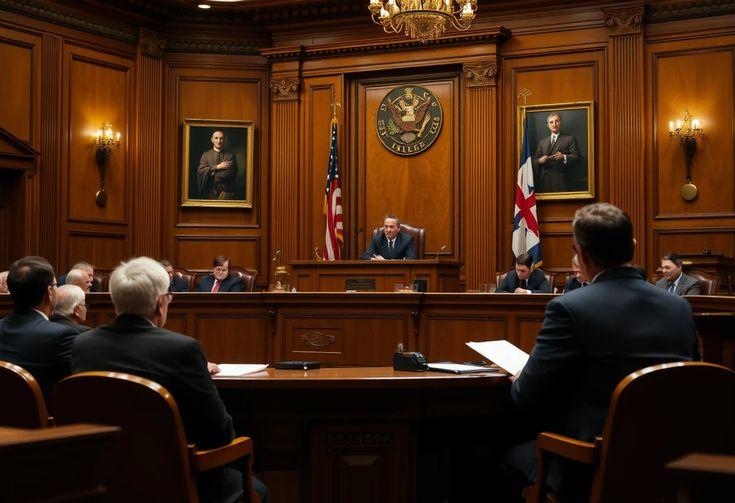
What Does a High Court Officer Do? A Complete Guide for Businesses and Landlords
When a court judgment goes unpaid, frustration quickly turns into financial pressure. This is where a High Court Officer becomes essential. Whether you are a business owner chasing unpaid invoices or a landlord dealing with rent arrears, understanding how enforcement works can save you time, money, and stress.
In this guide, we’ll explain the role of a High Court Officer, how enforcement works, and what practical steps you can take to recover money legally and efficiently.
What Is a High Court Officer?
A High Court Officer is an authorised enforcement professional responsible for executing High Court writs. They ensure that court judgments are enforced when a debtor refuses to pay voluntarily.
Often referred to as High Court Enforcement Officers, these professionals operate under strict legal regulations. Their duties may include recovering debts, seizing goods under a writ of control, or enforcing possession orders. Unlike standard county court bailiffs, they typically handle larger debts and more complex cases.
How High Court Enforcement Works
Transferring a Judgment to the High Court
If you have a County Court Judgment (CCJ) worth more than £600, you can apply to transfer it to the High Court for enforcement. This process allows certified enforcement professionals to take action.
Issuing a Writ of Control
Once transferred, the court issues a writ of control. This authorises enforcement action, including visiting the debtor’s premises to request payment or secure goods.
Taking Enforcement Action
If payment is not made, HCEOs may seize and sell goods to recover the debt. Their authority often leads to faster results compared to standard recovery routes.
When Should You Use a High Court Officer?
You should consider enforcement if:
-
A court judgment remains unpaid.
-
The debtor has ignored reminders and payment plans.
-
The debt exceeds £600.
-
You need quicker recovery to protect cash flow.
For example, a small construction firm owed £15,000 for completed work may struggle financially if payment is delayed. Using enforcement agents to execute a writ can significantly increase the chances of swift recovery.
Benefits of High Court Enforcement
Faster Recovery
High Court enforcement is often more effective than other recovery methods. Debtors are more likely to respond when they realise enforcement action is imminent.
Greater Authority
A High Court Officer has stronger powers than many local bailiffs. This added authority can encourage voluntary payment before goods are removed.
Cost-Effective Process
In many cases, enforcement costs are added to the debtor’s balance, reducing financial risk to the creditor.
Practical Tips Before Starting Enforcement
1. Confirm the Debt Is Enforceable
Ensure the judgment is valid and within the enforcement time limits.
2. Gather Accurate Information
Provide correct addresses and details about the debtor’s business or assets. The more information you supply, the smoother the process.
3. Act Quickly
Delays can reduce recovery chances. Debtors may move assets or close businesses.
4. Seek Professional Advice
Consulting experienced enforcement agents can help you understand timelines, risks, and expected outcomes.
Common Misunderstandings About High Court Enforcement
Some people believe enforcement is aggressive or unfair. In reality, enforcement agents must follow strict compliance rules. They must provide notice before visiting and cannot force entry into residential properties for most debt types.
Understanding these safeguards helps both creditors and debtors navigate the process more confidently.
Frequently Asked Questions
1. What powers does a High Court Officer have?
A High Court Officer can enforce High Court writs, seize goods under a writ of control, and recover debts lawfully. They must follow strict legal guidelines and compliance procedures.
2. How long does enforcement take?
Timeframes vary depending on the debtor’s cooperation and asset availability. In many cases, initial contact is made within days of the writ being issued.
3. Can enforcement agents force entry?
For most commercial debts, peaceful entry rules apply. Forced entry is limited and only permitted in specific circumstances under the law.
4. What debts qualify for High Court enforcement?
Generally, debts over £600 with a valid judgment can be transferred to the High Court for enforcement.
5. Are enforcement costs recoverable?
In many situations, enforcement fees are added to the debtor’s balance, meaning the creditor does not bear the full cost.
Conclusion: Take Control of Unpaid Judgments
Unpaid debts can seriously impact your finances, but you do not have to accept non-payment. A High Court Officer provides a lawful, structured, and often highly effective way to recover what you are owed.
If you have an unpaid judgment, consider transferring it to the High Court and seeking professional enforcement support. Acting promptly can protect your cash flow and give you peace of mind. If you found this guide helpful, share it with others or speak to an enforcement specialist to explore your options today.

 Arabic
 Français
 Español
 Português
 Deutsch
 Türkçe
 Dutch
Dutch
 Italiano
 Russian
 Romaian