


How Do ABA Therapy Services Handle Aggressive Behaviors?
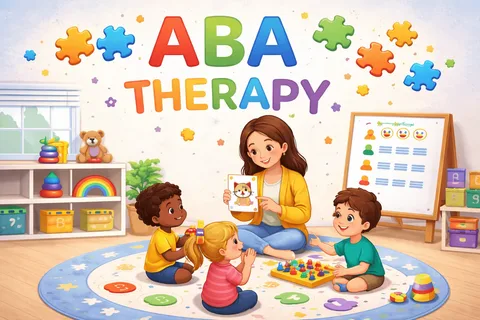
Aggressive behavior can feel confusing and scary. However, there is usually a reason behind it. Many children act out because they cannot explain what they feel. Sometimes they feel mad. Other times, they feel tired, hungry, or overwhelmed.
For example, a loud room can hurt a child’s ears. As a result, the child may yell or push. In other cases, a hard school task can cause stress. Then the child may throw things rather than ask for help. According to the CDC, many children with autism have trouble with communication and emotional control. Therefore, behavior becomes their way to “talk.”
That is why experts offering ABA therapy services in Lancaster County SC, focus on teaching better ways to communicate. Instead of blaming the child, therapists look for the cause. As a result, children learn safer ways to share big feelings.
The Science Behind ABA Therapy Services in Lancaster County SC
ABA stands for Applied Behavior Analysis. It is a type of therapy based on science. In simple words, it studies behavior and how people learn. First, therapists watch what happens before a behavior. Next, they examine the behavior itself. Then they see what happens after. This is called the ABC method. Because of this clear system, patterns become easier to see.
Research from the U.S. Surgeon General shows that ABA helps many children with autism. In fact, studies over many years support its use. Therefore, families can feel confident in the method. Most importantly, ABA teaches skills step by step. It uses praise and rewards. As a result, children feel proud of their progress. Over time, good habits grow stronger.
Step One: Conducting a Functional Behavior Assessment
Before starting treatment, therapists complete a Functional Behavior Assessment. Although the name sounds big, the idea is simple. It means finding out why the behavior happens. First, the therapist watches the child in different places. For example, they may observe during homework or playtime. Then they talk with parents and teachers. They also review notes and past reports.
After that, they look at the information closely. They search for patterns. For instance, does the child hit when asked to clean up? Or does screaming happen when waiting for a turn? As a result of this careful review, the plan aligns with the child’s actual needs. Therefore, the therapy focuses on teaching helpful skills rather than just stopping behavior.
Building Positive Replacement Skills
Once the cause is clear, new skills are taught. Instead of saying “don’t hit,” therapists teach what to do instead. For example, a child may learn to say, “I need help.” Skills are broken into small steps. Then they are practised often. Because children learn through repetition, practice makes a big difference.
Here is a simple chart that shows how this works:
|
Problem Behavior |
Trigger |
New Skill |
Reward |
|---|---|---|---|
|
Throwing toys |
Hard task |
Ask for help |
Praise and a short break |
|
Yelling |
Waiting |
Use words or a card |
Get a turn |
|
Hitting |
Loud noise |
Ask for a quiet space |
Calm time |
As shown above, each behavior has a matching skill. Therefore, the child learns a better choice. Over time, the new skill replaces the aggressive action.
How Therapists Respond During Aggressive Episodes
When aggression happens, safety comes first. Therapists stay calm and use steady voices. Because strong reactions can make things worse, calm actions help the child settle. During sessions, experts offering ABA therapy services in Lancaster County SC, follow clear response steps that focus on teaching safe behavior.
These steps may include:
-
Blocking unsafe actions gently to keep everyone safe
-
Speaking in a neutral tone without yelling
-
Removing extra attention during the behavior
-
Redirecting the child to a calm activity
-
Praising the child as soon as calm behavior appears
Because these steps are used repeatedly, children learn what works. Therefore, aggressive episodes tend to be shorter. In addition, children begin using their new skills faster.
The Role of Parents and Caregivers
Parents are a big part of progress. Therapy works best when the same skills are used at home. Therefore, therapists teach parents what to do step by step. First, parents learn how to respond calmly. Next, they learn how to reward good behavior. Then they practice using simple charts or notes to track progress. Because everyone follows the same plan, the child feels less confused.
For example, if a child asks for help instead of yelling, parents give praise right away. As a result, the child feels proud. Consistency is very important. When home and therapy match, progress grows stronger. Over time, families notice fewer outbursts and more peaceful moments.
Long-Term Strategies That Prevent Future Aggression
Stopping behavior is not the only goal. Instead, the goal is to prevent it before it starts. Therefore, therapists teach skills every day that lower stress.
These long-term supports may include:
-
Practising calm breathing during quiet times
-
Teaching simple feeling words like “mad” or “sad”
-
Using picture schedules for daily routines
-
Giving warnings before transitions
-
Rewarding positive behavior right away
Because these steps happen daily, children build strong coping skills. In addition, predictable routines reduce anxiety.
Why Families Trust Local ABA Providers
Families want care that feels steady and clear. They also want progress they can see. For that reason, many choose ABA therapy services in Lancaster County SC, for structured and consistent support. Therapists collect data during sessions. Then they review the data often. Because numbers show progress, changes are easy to track. If something is not working, adjustments are made quickly.
Sessions may happen at home or in a clinic. This helps children practice skills in real settings. In addition, communication between therapists and families stays active. Most importantly, the focus stays on teaching. Children are shown better choices step by step.
Stronger Families, Brighter Futures
Aggressive behavior can feel overwhelming at first. However, change is possible with steady support. ABA therapy focuses on teaching skills rather than punishment. Because it uses research and data, plans stay clear and organized. Over time, children learn how to express their needs safely.
Step by step, big feelings become easier to manage. For families seeking support, From Roots to Wings Behavioral Consultation and Supervision, LLC provides structured guidance grounded in proven methods. With teamwork and practice, children can replace aggressive actions with safe, positive behaviours.

 English
 Français
 Español
 Português
 Deutsch
 Türkçe
 Dutch
Dutch
 Italiano
 Russian
 Romaian