


Practical Solutions for embroidery tension issues in Machine Embroidery
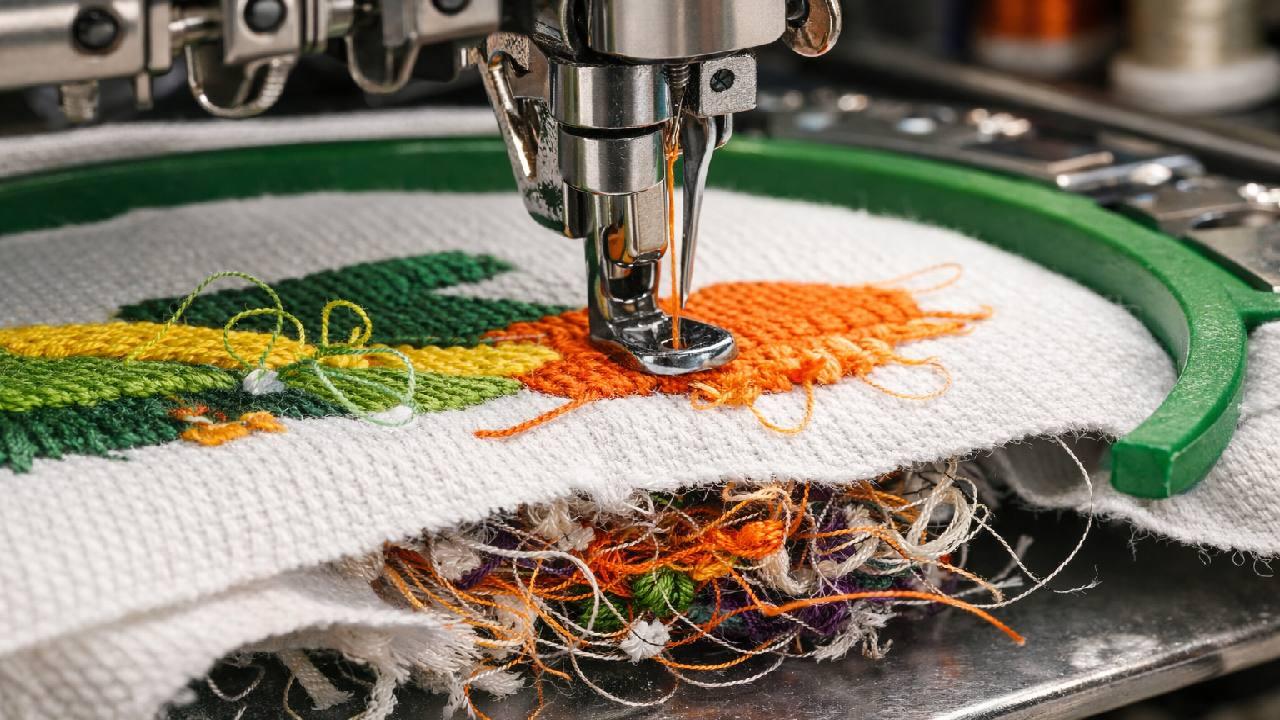
Embroidery machines can produce detailed and attractive designs, but only when the stitching process runs smoothly. One of the most common challenges embroidery operators face is improper thread tension. When the balance between the upper thread and bobbin thread is disturbed, the final design may appear messy or uneven. Many beginners and professionals experience embroidery tension issues at some point, especially when working with different materials and thread types.
Understanding the causes and solutions of tension problems can help maintain consistent embroidery quality.
What Thread Tension Means in Embroidery
Thread tension refers to the force applied to the upper thread and the bobbin thread while forming stitches. During embroidery, both threads must meet and lock in the center of the fabric and stabilizer. This balance ensures that the design appears clean on the front and secure on the back.
When tension becomes unbalanced, the stitches may look loose, tight, or distorted. Proper tension control allows the embroidery machine to operate efficiently and produce smooth results.
Common Causes of embroidery tension issues
Several technical and material related factors can affect thread tension during embroidery.
Improper Threading
Incorrect threading is one of the most common reasons for tension imbalance. If the thread does not pass through the tension discs correctly, the machine cannot maintain proper control.
Incorrect Upper Tension Settings
If the upper tension is set too tight, the bobbin thread may appear on the surface of the embroidery. If it is too loose, loops may appear on the underside of the fabric.
Bobbin Case Adjustment
A poorly adjusted bobbin case can disrupt the stitch balance. The bobbin thread should feed smoothly without pulling too tightly.
Low Quality Thread
Inconsistent or weak thread can break easily and disturb tension stability. High quality embroidery thread helps maintain smooth stitching.
Worn or Damaged Needles
A needle that is bent or dull can create friction in the thread path. This friction affects how the thread moves during stitching.
Signs That Indicate Tension Problems
Recognizing tension problems early can prevent damage to the embroidery design and reduce wasted materials.
Common warning signs include
Loops forming on the top of the design
Bobbin thread becoming visible on the surface
Frequent thread breaks during stitching
Wrinkled or puckered fabric around the design
Irregular stitch patterns
These signs clearly show that the machine is experiencing embroidery tension issues and needs adjustment.
Simple Methods to Correct Tension Problems
Fixing tension problems usually involves a few careful adjustments and machine checks.
Rethread the Machine
Removing the thread and threading the machine again ensures the thread passes through all guides correctly.
Adjust Upper Thread Gradually
Make small changes to the upper tension dial and run a test stitch after each adjustment. This helps restore the balance between the threads.
Clean the Bobbin Area
Lint and dust often collect in the bobbin case area. Cleaning this section regularly allows the bobbin thread to move smoothly.
Replace the Needle
Changing the needle frequently helps maintain smooth thread flow and consistent stitch formation.
Perform Test Stitches
Testing on a spare piece of fabric before starting the final design allows you to correct tension problems early.
Why Digitizing Quality Matters
Digitizing also affects how thread tension behaves during embroidery. Designs that contain excessive stitch density or poor stitch direction can place extra pressure on the thread system.
Professional digitizing techniques such as 3D Puff Embroidery Digitizing require accurate stitch planning and correct density settings. When digitizing is done properly, the embroidery machine runs smoothly and maintains stable tension throughout the design.
Tips to Maintain Balanced Embroidery Tension
Maintaining good machine habits helps prevent tension problems in future projects.
Use reliable embroidery thread brands
Keep the machine clean and well maintained
Replace needles after regular intervals
Use the correct stabilizer for each fabric type
Always test new designs before production
Following these practices improves stitch quality and reduces machine errors.
Conclusion
Thread tension plays a major role in achieving professional embroidery results. By understanding the causes and solutions of embroidery tension issues, embroidery operators can maintain clean stitches and consistent design quality.
EMDigitizer offers practical embroidery tools, including cost calculators, stitch count calculators, and simulators, which help hobbyists and professionals save time, estimate projects accurately, and create high-quality embroidery with ease.
Visit now: EM Digitizer

 English
 Arabic
 Français
 Español
 Português
 Deutsch
 Türkçe
 Dutch
Dutch
 Italiano
 Romaian