


Ethernet Cables Explained: Everything You Need to Know
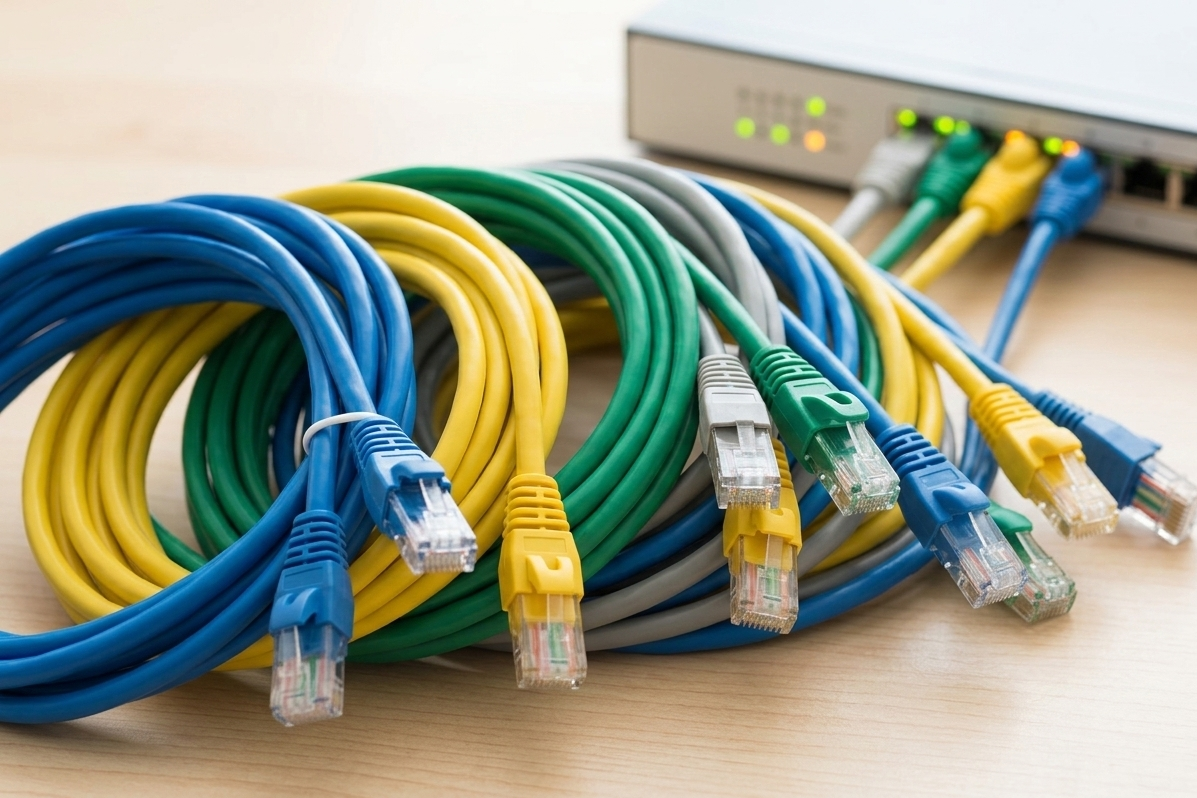
When it comes to building a fast and reliable internet connection, Ethernet cables are still one of the most dependable solutions available. While Wi-Fi is convenient, wired connections remain the preferred choice for many professionals, gamers, and businesses because they provide stable speeds and consistent performance.
Ethernet cables are used to connect devices such as computers, routers, switches, gaming consoles, and smart TVs to a local network. Among the various cable types available today, the cat6 network cable has become one of the most commonly used options due to its strong performance and compatibility with modern networking equipment.
This guide will explain what Ethernet cables are, how they work, the different types available, and why they continue to play a crucial role in today’s networking environments.
What Is an Ethernet Cable?
An Ethernet cable is a physical networking cable that allows devices to communicate within a local area network (LAN). It connects hardware like routers, switches, and computers so they can exchange data quickly and efficiently.
Unlike wireless connections, which rely on radio signals, Ethernet cables create a direct link between devices. This direct connection reduces interference and helps maintain stable internet speeds.
A cat6 network cable is widely used in both home and business environments because it supports high-speed data transfer and provides better protection against signal interference compared to older cable types.
How Ethernet Cables Work
Inside an Ethernet cable are multiple twisted pairs of copper wires. These wires carry electrical signals that transmit data between devices.
The twisted design of the wires helps reduce a problem called "crosstalk." Crosstalk occurs when signals from one wire interfere with signals in another wire. By twisting the wire pairs together, the cable minimizes interference and improves signal quality.
A cat6 network cable is designed with tighter twists and improved insulation, which helps maintain signal strength even when multiple devices are transmitting data at the same time.
Different Types of Ethernet Cables
Ethernet cables come in different categories, commonly referred to as "Cat" cables. Each category supports different speeds and bandwidth capabilities.
Cat5
Cat5 cables were widely used in early networking setups. They can support speeds up to 100 Mbps but are now considered outdated for most modern applications.
Cat5e
Cat5e (Enhanced Cat5) improved upon Cat5 by reducing interference and supporting speeds up to 1 Gbps. Many older homes and office networks still use Cat5e cables.
Cat6
Cat6 cables are one of the most popular choices today. A cat6 network cable supports faster data transfer rates and higher bandwidth compared to Cat5e. It can support speeds up to 10 Gbps over shorter distances and offers improved resistance to interference.
Cat7
Cat7 cables feature additional shielding and are designed for specialized networking environments that require extremely stable connections.
Cat8
Cat8 cables are the newest generation of Ethernet cables. They are mainly used in data centers and enterprise networks where extremely high speeds are required.
Ethernet Cable Speeds and Bandwidth
The performance of an Ethernet cable is determined by two main factors: speed and bandwidth.
Speed refers to how quickly data can travel through the cable, while bandwidth determines how much data can be transmitted at once.
Here is a quick comparison of common Ethernet cable categories:
-
Cat5: Up to 100 Mbps
-
Cat5e: Up to 1 Gbps
-
Cat6: Up to 10 Gbps (short distances)
-
Cat7: Up to 10 Gbps with better shielding
-
Cat8: Up to 40 Gbps
Because it offers a strong balance between performance and affordability, the cat6 network cable has become the standard choice for many modern networks.
Where Ethernet Cables Are Commonly Used
Ethernet cables are used in a wide range of environments, from simple home networks to large corporate infrastructures.
Home Networks
Many homeowners use Ethernet cables to connect devices such as smart TVs, gaming consoles, and desktop computers to their routers. A cat6 network cable helps ensure stable connections for streaming, video calls, and online gaming.
Office Networks
Businesses rely on wired connections to maintain reliable communication between computers, servers, and network devices.
Gaming Setups
Gamers often prefer wired connections because they reduce latency and provide more consistent speeds compared to wireless connections.
Data Centers
Large data centers use Ethernet cables to connect servers and networking equipment that handle massive amounts of data.
Benefits of Using Ethernet Cables
Even though wireless networking has become extremely popular, Ethernet cables still offer several advantages.
More Reliable Connection
Ethernet connections are less affected by signal interference, walls, or network congestion.
Consistent Speeds
Unlike Wi-Fi, which can fluctuate depending on distance and interference, Ethernet cables deliver stable speeds.
Lower Latency
Wired connections reduce lag, which is particularly important for gaming and real-time communication.
Improved Security
A wired network is more secure because devices must be physically connected to access the network.
For these reasons, many network professionals prefer using a cat6 network cable when building reliable networking systems.
Choosing the Right Ethernet Cable
Selecting the right Ethernet cable depends on your specific needs and network environment.
Consider Your Internet Speed
If your internet service supports gigabit speeds or higher, using a cat6 network cable will help ensure your network can handle the available bandwidth.
Think About Cable Length
Ethernet cables typically support distances up to 100 meters without significant performance loss.
Plan for Future Upgrades
Choosing a higher-category cable can help future-proof your network and support faster technologies as they become available.
Tips for Installing Ethernet Cables
Proper installation can help maintain the performance of your network cables.
Here are a few simple tips:
-
Avoid bending cables too sharply.
-
Keep cables away from electrical wiring when possible.
-
Use cable management systems to keep cables organized.
-
Choose high-quality connectors and cables.
Using a well-installed cat6 network cable can help ensure your network remains fast and reliable for years.
Final Thoughts
Ethernet cables remain one of the most important components of modern networking systems. While Wi-Fi offers convenience and mobility, wired connections still provide the stability and speed required for demanding tasks.
Understanding how Ethernet cables work, the differences between cable categories, and their practical uses can help you build a more efficient network.
For most home and office setups, a cat6 network cable offers an excellent balance of performance, reliability, and affordability. Whether you are setting up a new network or upgrading an existing one, choosing the right Ethernet cable can make a significant difference in your overall internet experience.

 English
 Arabic
 Français
 Español
 Português
 Deutsch
 Türkçe
 Italiano
 Russian
 Romaian