


A Complete Guide to Mini Split Heat Pump Installation
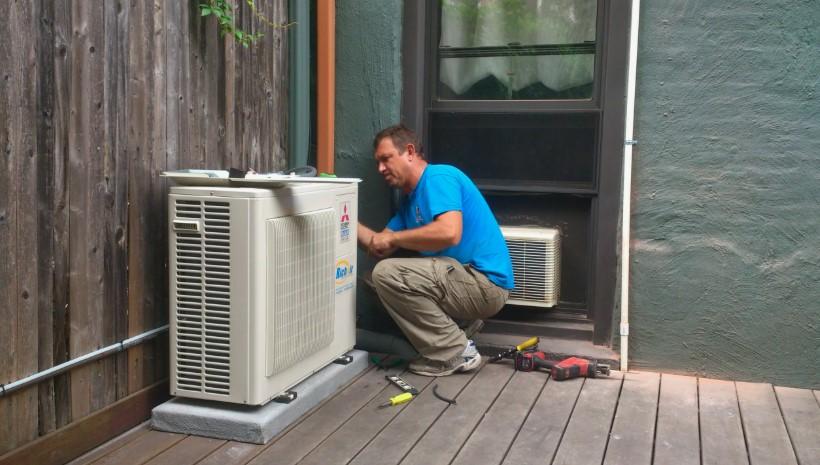
Mini split heat pump systems have become one of the most popular heating and cooling solutions for modern homes. They offer high energy efficiency, flexible installation options, and precise temperature control without the need for extensive ductwork. Whether you're upgrading your HVAC system or installing climate control in a new space, understanding the process of Mini Split Heat Pump Installation can help you make informed decisions and ensure long-term comfort in your home.
What Is a Mini Split Heat Pump?
A mini split heat pump, often called a ductless mini split system, is a heating and cooling system that consists of two main components: an outdoor compressor unit and one or more indoor air-handling units. These components are connected by refrigerant lines, a power cable, and a condensate drain.
Unlike traditional HVAC systems that rely on ductwork, mini split systems deliver air directly into individual rooms or zones. This design improves efficiency and allows homeowners to control the temperature in different areas independently.
Benefits of Mini Split Heat Pump Systems
Before diving into the Mini Split Heat Pump Installation process, it’s important to understand why so many homeowners are choosing this system.
1. Energy Efficiency
Mini split heat pumps use inverter technology that adjusts compressor speed based on heating or cooling needs. This means the system consumes only the energy required to maintain the desired temperature, resulting in lower energy bills.
2. Easy Installation
Compared to traditional HVAC systems, installing a mini split heat pump is relatively straightforward. Because there is no ductwork involved, the installation process is faster and less invasive.
3. Zoned Comfort
Mini split systems allow you to control the temperature of individual rooms or zones. This means you can cool or heat only the spaces you use, improving comfort and saving energy.
4. Improved Indoor Air Quality
Without ducts that can collect dust and allergens, mini split systems often provide better indoor air quality. Many units also include advanced filtration systems.
5. Quiet Operation
Mini split heat pumps are known for their quiet performance. The compressor is located outside, and the indoor units operate at low noise levels.
Steps Involved in Mini Split Heat Pump Installation
Installing a mini split system involves several key steps. While experienced DIY enthusiasts may attempt installation, professional installation is usually recommended for optimal performance and warranty protection.
1. Choosing the Right System
The first step in Mini Split Heat Pump Installation is selecting the correct system size and type. Factors such as room size, insulation, climate, and the number of zones will determine the appropriate capacity.
A professional HVAC technician typically performs a load calculation to determine the ideal system specifications.
2. Selecting the Indoor Unit Location
Indoor air-handling units are usually mounted on walls, ceilings, or floors. The location should allow proper airflow throughout the room while also being accessible for maintenance.
Technicians ensure the unit is placed away from direct sunlight, heat sources, and obstacles that may block airflow.
3. Installing the Outdoor Unit
The outdoor condenser unit must be placed on a stable surface, such as a concrete pad or wall-mounted bracket. Proper spacing around the unit ensures adequate airflow and efficient operation.
It’s important to install the unit in a location that minimizes exposure to extreme weather conditions.
4. Drilling the Wall Opening
A small hole—usually around three inches in diameter—is drilled through the wall to connect the indoor and outdoor units. This opening allows the refrigerant lines, electrical wiring, and condensate drain to pass through.
The hole is sealed after installation to prevent air leaks and moisture intrusion.
5. Connecting Refrigerant Lines
During Mini Split Heat Pump Installation, copper refrigerant lines connect the indoor and outdoor units. These lines carry refrigerant that transfers heat between the two components.
Proper insulation and secure connections are essential to maintain system efficiency and prevent leaks.
6. Electrical Connections
The system requires electrical wiring to power both the indoor and outdoor units. A licensed technician ensures the wiring meets local electrical codes and that the system is safely connected to the power supply.
7. Vacuuming and Testing the System
Before the system is activated, technicians use a vacuum pump to remove air and moisture from the refrigerant lines. This step prevents contamination and ensures proper performance.
Once the system is vacuumed and sealed, it is powered on and tested to confirm that heating, cooling, and airflow are working correctly.
Maintenance Tips After Installation
After completing Mini Split Heat Pump Installation, regular maintenance helps ensure the system operates efficiently for years.
Some basic maintenance tasks include:
-
Cleaning or replacing air filters every few months
-
Keeping the outdoor unit free of debris and leaves
-
Checking the condensate drain for blockages
-
Scheduling annual professional inspections
Proper maintenance not only improves performance but also extends the life of the system.
Common Installation Mistakes to Avoid
Although mini split systems are easier to install than traditional HVAC systems, certain mistakes can reduce efficiency or cause long-term problems.
Common issues include:
-
Incorrect system sizing
-
Poor indoor unit placement
-
Improper refrigerant line installation
-
Inadequate insulation of refrigerant lines
-
Skipping the vacuuming process before startup
Hiring experienced HVAC professionals helps avoid these costly mistakes.
Frequently Asked Questions (FAQs)
1. How long does Mini Split Heat Pump Installation take?
Most installations take between 4 and 8 hours, depending on the number of indoor units and the complexity of the setup.
2. Can I install a mini split heat pump myself?
Some homeowners attempt DIY installation, but professional installation is recommended to ensure safety, proper refrigerant handling, and warranty compliance.
3. How much does Mini Split Heat Pump Installation cost?
Costs typically range from $3,000 to $8,000 depending on the system size, number of zones, and labor requirements.
4. Do mini split heat pumps work in cold climates?
Yes. Modern mini split heat pumps are designed to operate efficiently even in very cold temperatures.
5. How long do mini split systems last?
With proper maintenance, most mini split heat pump systems last between 15 and 20 years.
Conclusion
Mini split systems are an efficient and flexible solution for modern heating and cooling needs. Understanding the process of Furnace Installation Service helps homeowners make better decisions when upgrading their HVAC systems. From selecting the right equipment to ensuring proper installation and maintenance, each step plays a critical role in achieving optimal performance. When installed correctly, a mini split heat pump provides reliable comfort, improved energy efficiency, and precise temperature control for years to come. Whether for a single room, home addition, or entire house, this system offers a practical and cost-effective alternative to traditional HVAC solutions.

 English
 Arabic
 Français
 Español
 Português
 Deutsch
 Türkçe
 Dutch
Dutch
 Italiano
 Romaian