


Beginners Guide to Transforming Your Backyard Into Green Space
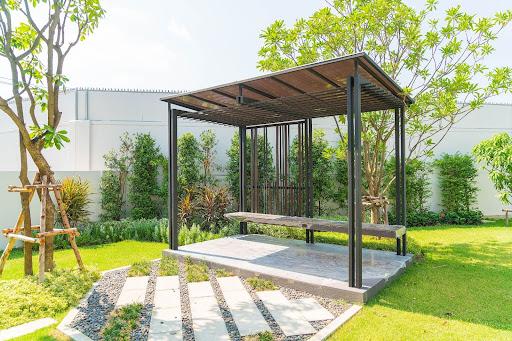
To transform our backyard into a green space, we should first identify our goals, like creating a relaxation area or a vegetable garden. Next, we’ll assess the conditions of our outdoor space, including sunlight and soil. With a simple design plan, we can select the right plants that fit our landscape’s needs. Finally, maintaining our green space will enhance our enjoyment. Let’s explore how to bring our vision to life and create our oasis together.
Identifying Your Yard Goals
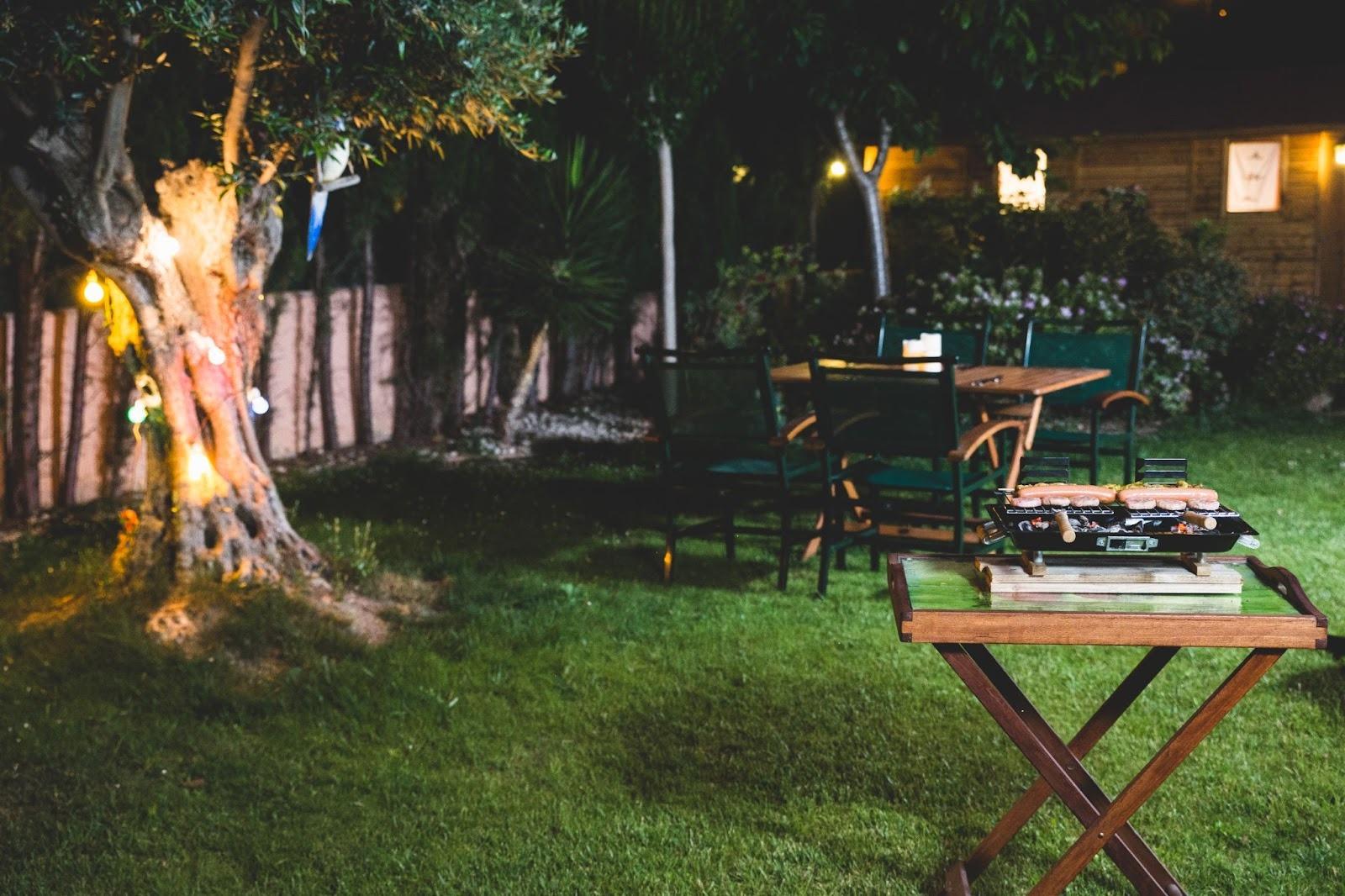
What do we want our outdoor space to achieve? Identifying our yard goals is the first step in transforming our backyard into a vibrant green space.
Do we envision a relaxing retreat, a play area for kids, or perhaps a flourishing vegetable garden? By defining our priorities, we can create a focused direction for our landscaping project.
It’s important to reflect on our budget and the time we can dedicate to maintenance. We should also think about which features align with our lifestyle for long-term sustainability.
Visualizing our ideal space can help us select the right elements, ensuring our outdoor area becomes an enjoyable extension of our home.
Let’s begin this exciting journey together!
Assessing Your Outdoor Space
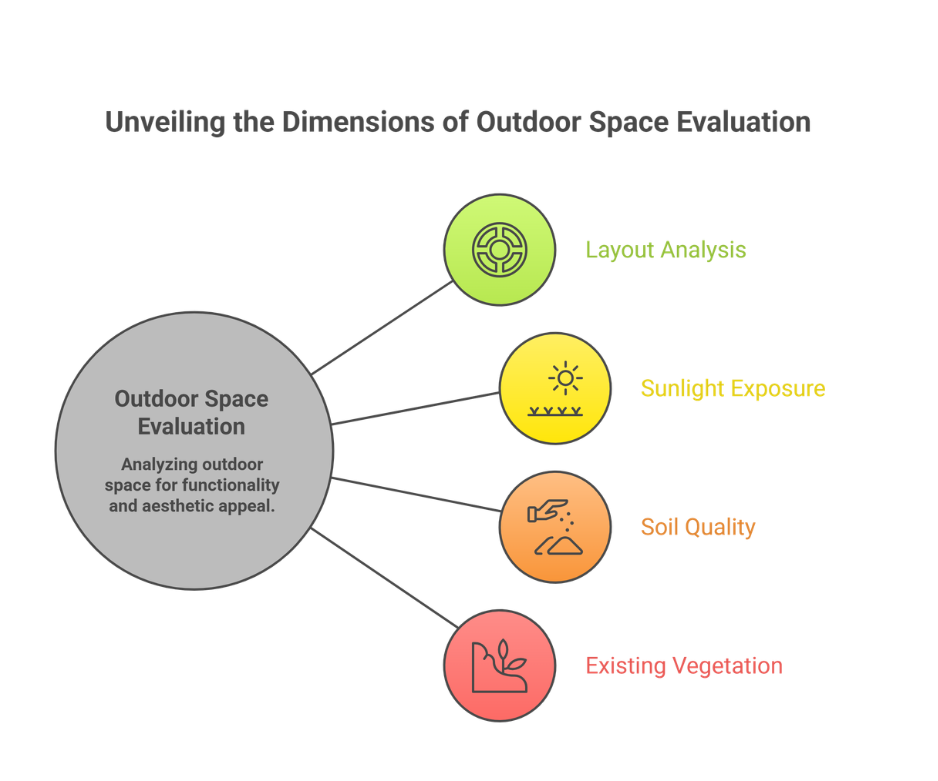
How can we effectively evaluate our outdoor space to maximize its potential?
First, let’s observe sunlight and shade patterns throughout the day, as this will guide our plant choices.
Next, we should test our soil for texture and pH levels; understanding its needs will help us amend it appropriately.
We can also take stock of existing elements we want to keep or remove, identifying any drainage issues or low spots that collect water.
By recognizing the natural characteristics of our space, we can plan effectively for our garden.
This assessment sets the stage for creating a beautiful and functional outdoor space that aligns with our goals and enhances our enjoyment of nature.
Developing a Simple Design Plan
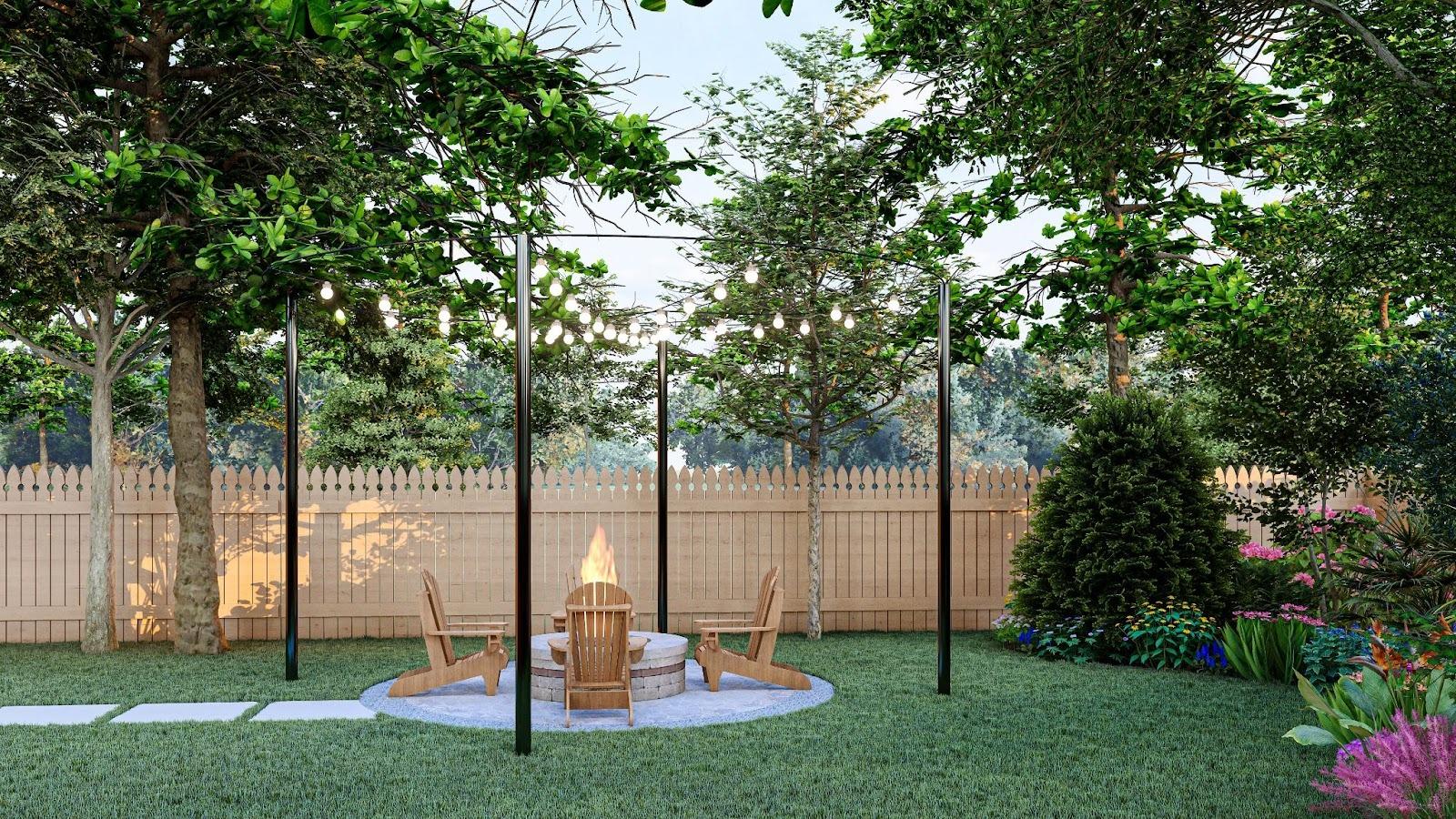
As we commence on developing a simple design plan for our outdoor space, it’s crucial to clarify our yard goals first. We should determine our priorities, whether it’s creating space for entertaining or a play area for kids.
Visualizing our desired style using platforms like Pinterest can help us align our aesthetic preferences. Next, let’s sketch a basic layout that marks key elements like garden beds and pathways.
We can create focal points to anchor our design while ensuring pathways allow seamless movement. Layering plants with varying heights adds depth, and we must remember to leave room for growth by spacing them appropriately.
Selecting the Right Plants
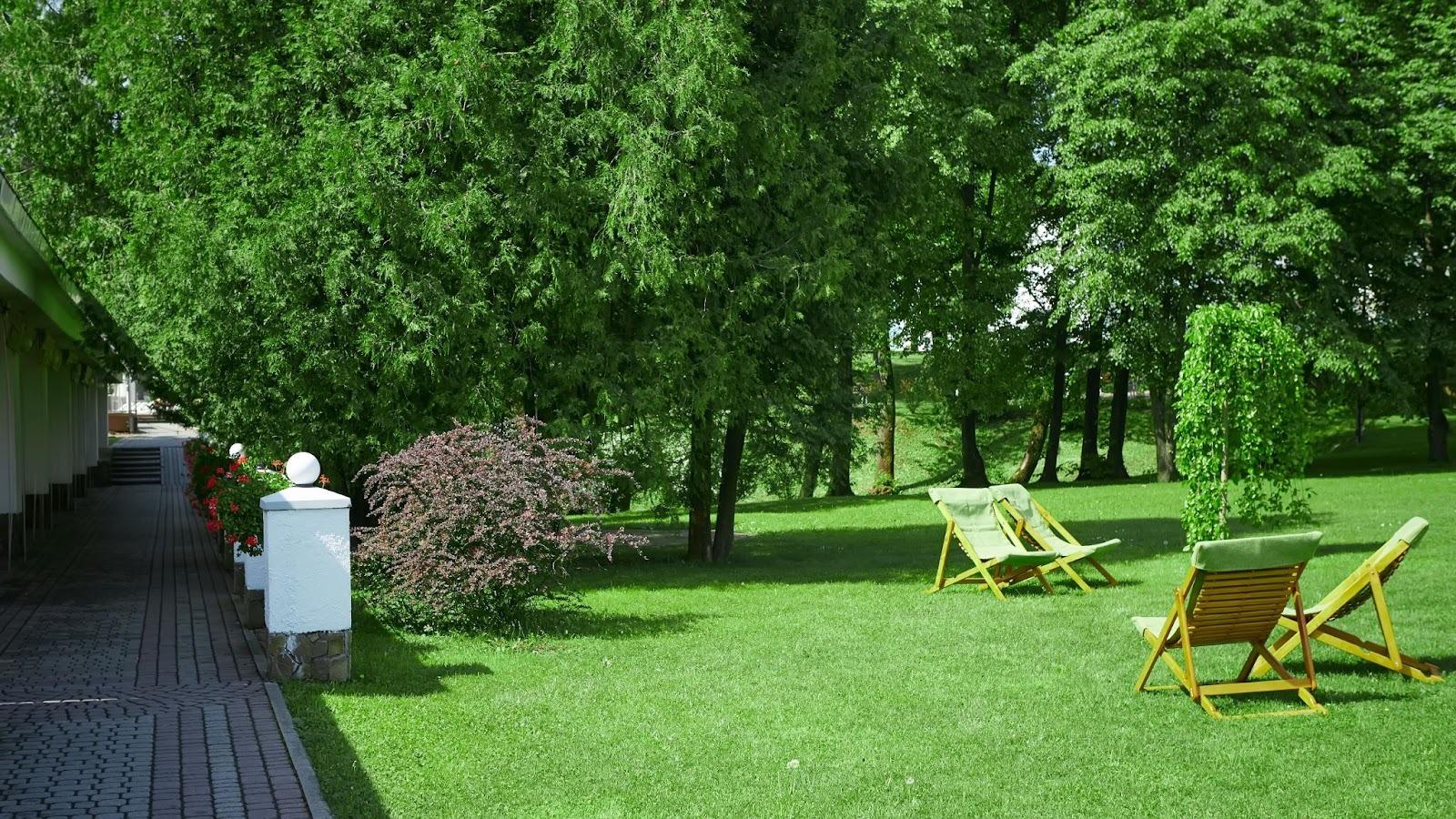
When selecting the right plants for our garden, we should consider factors like climate, soil type, and maintenance needs.
First, let’s research native plants that thrive in our local conditions, as they typically require less care. We can also explore a mix of perennials, annuals, shrubs, and trees to create a diverse landscape.
Grouping plants with similar sunlight and water needs simplifies upkeep and keeps our garden looking its best. Additionally, we might want to include ground covers to fill spaces and suppress weeds.
By focusing on our yard goals and evaluating the existing conditions, we can make informed choices that enhance our outdoor space while ensuring it’s sustainable and beautiful.
Let’s get started!
Maintaining and Enjoying Your Green Space
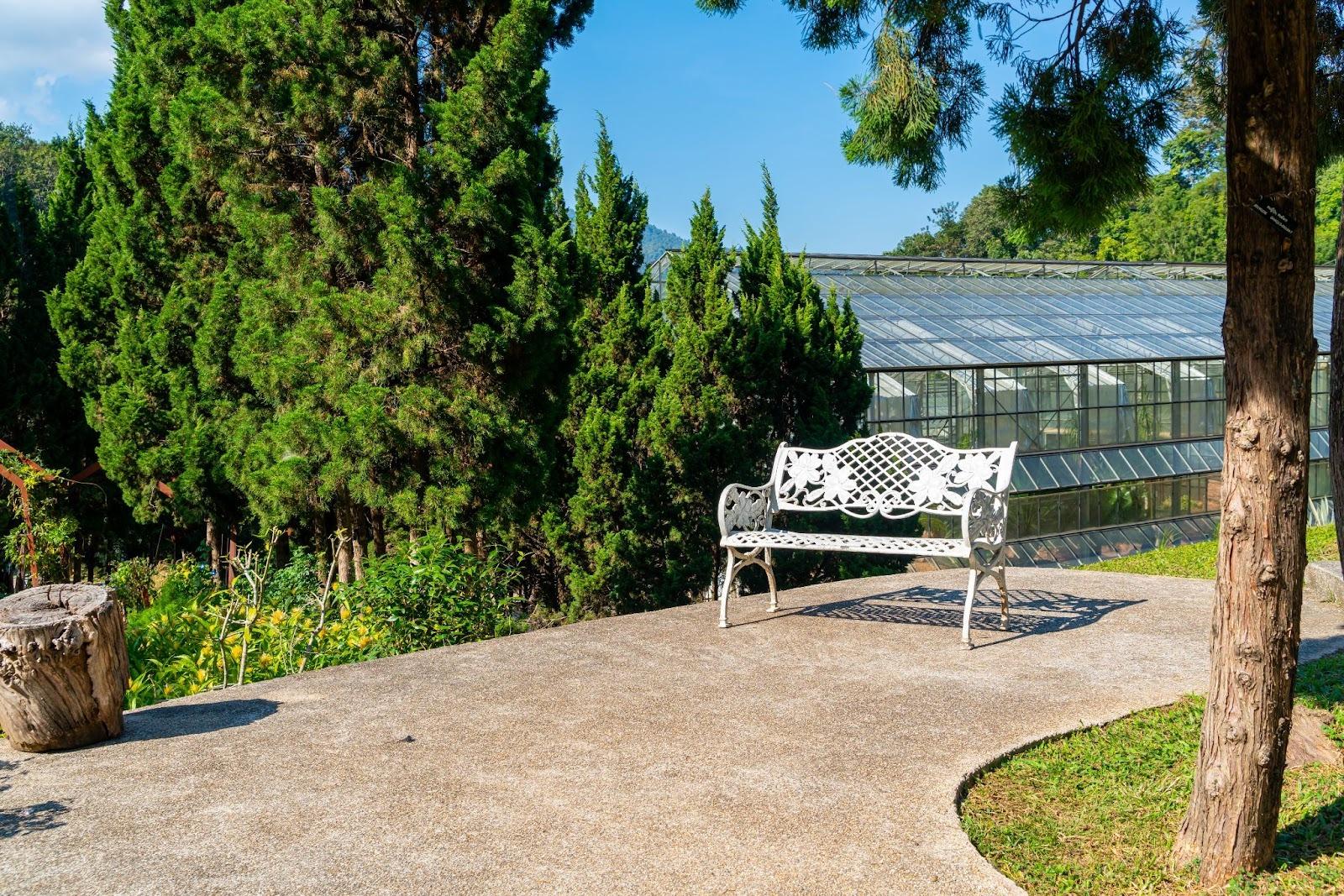
Maintaining and enjoying our green space requires a thoughtful approach to care and engagement with nature.
We can start by establishing a routine for regular watering during dry spells and mulching our garden beds to retain moisture and suppress pesky weeds.
It’s also crucial to prune shrubs and deadhead flowers to encourage healthy growth and vibrant blooms.
By keeping pathways clear of debris, we guarantee easy access to all areas of our garden.
Let’s not forget to enjoy the process! Spending time in our green space allows us to connect with nature and appreciate the fruits of our labor.
Together, we can create a beautiful and sustainable outdoor oasis that brings joy to our lives.
Frequently Asked Questions
How Do I Choose the Right Tools for Gardening?
To choose the right tools for gardening, we assess our specific needs, consider the types of plants we’ll cultivate, and research quality options. It’s essential to invest in tools that enhance our gardening experience efficiently.
What Is the Best Time of Year to Start Gardening?
The best time for us to start gardening is in early spring. We’ll prepare the soil, choose suitable plants, and watch them thrive as the weather warms. Let’s embrace the season together and cultivate our green space!
How Can I Attract Beneficial Insects to My Garden?
To attract beneficial insects, we’ll plant diverse flowers, herbs, and native plants. Creating habitats like insect hotels and avoiding pesticides will encourage pollinators and natural pest controllers, fostering a healthy ecosystem in our garden.
What Are Some Eco-Friendly Pest Control Methods?
When considering eco-friendly pest control methods, let’s explore options like introducing beneficial insects, using neem oil, and applying diatomaceous earth. Together, we can create a healthier garden ecosystem without harmful chemicals.
How Do I Create a Compost Pile Effectively?
To create a compost pile effectively, we’ll layer green materials like kitchen scraps with brown materials such as leaves. Turning it regularly helps speed up decomposition, giving us rich compost for our plants. Let’s start!
Conclusion
As we wrap up our journey to transform our backyard into a vibrant green space, let’s remember that every step we take brings us closer to our vision. By setting clear goals, evaluating our space, and choosing the right plants, we’re creating not just a beautiful landscape but also a sanctuary for ourselves and local wildlife. Let’s continue to nurture our green oasis, share our experiences, and enjoy the countless rewards of our hard work together!

 English
 Arabic
 Français
 Español
 Deutsch
 Türkçe
 Dutch
Dutch
 Italiano
 Russian
 Romaian