


Beginner’s Guide: How to Ride a Motorcycle in the Rain Without Losing Control
Beginner’s Guide: How to Ride a Motorcycle in the Rain Without Losing Control
For many riders, rain is one of the most intimidating riding conditions. Wet roads, reduced traction, and poor visibility can make even experienced motorcyclists cautious. However, understanding how to ride a motorcycle in the rain can help riders stay safe and maintain control even during unexpected storms.
Understand How Rain Affects Road Conditions
Rainwater mixes with dust, oil, and debris on the road surface. During the first 20 to 30 minutes of rainfall, roads often become the most slippery because these contaminants rise to the surface.
Motorcyclists should be especially cautious during the early stages of rainfall. Reducing speed and avoiding aggressive riding techniques can help prevent accidents.
Slow Down and Maintain Control
One of the most important rules of riding in wet conditions is to slow down. Lower speeds provide better control and give riders more time to react to potential hazards.
Fast acceleration can cause the rear wheel to spin, while sudden braking may cause the front tire to lose traction. Smooth and gradual control inputs are essential when riding on wet pavement.
Be Gentle When Cornering
Cornering in the rain requires a more conservative approach. Lean angles should be reduced, and riders should avoid sudden changes in direction.
Entering a turn at a slower speed allows the motorcycle to maintain better traction. Riders should also accelerate gently when exiting corners to prevent slipping.
Avoid Standing Water
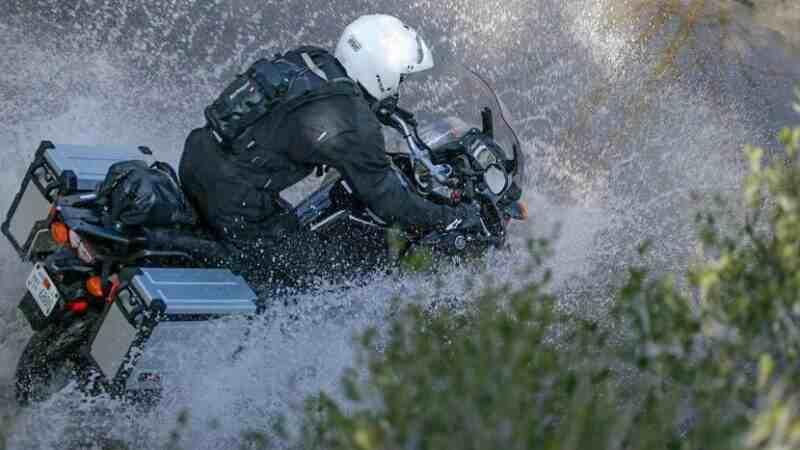
Puddles and standing water can hide potholes, debris, or uneven road surfaces. Riding through deep water may also increase the risk of hydroplaning.
Whenever possible, riders should slow down and steer around large puddles. If avoiding water is not possible, maintaining a steady throttle and upright posture can help maintain stability.
Use Both Brakes Carefully
Effective braking technique is essential when learning how to ride a motorcycle in the rain. Riders should apply both front and rear brakes smoothly rather than abruptly.
Many modern motorcycles are equipped with ABS systems, which help prevent wheel lock during emergency braking. Even with ABS, riders should practice controlled braking to maintain balance.
Stay Visible to Other Drivers
Rain reduces visibility, and motorcycles are already smaller than most vehicles on the road. To improve safety, riders should keep their headlights on and wear reflective or bright-colored gear.
Avoid riding in blind spots and make sure other drivers can clearly see your position on the road.
Keep Your Focus and Stay Relaxed
Riding in rain can create tension for inexperienced riders. Staying calm and focused is important for maintaining proper control of the motorcycle.
Relaxed arms and steady breathing can help riders react more naturally to slippery conditions. Confidence improves over time as riders gain experience riding in different weather situations.
Final Thoughts
Learning how to ride a motorcycle in the rain is an important skill for anyone who rides regularly. Rainy weather cannot always be avoided, especially for commuters and long-distance riders.
By reducing speed, riding smoothly, increasing awareness of road hazards, and staying visible, motorcyclists can safely handle wet riding conditions. With the right techniques and preparation, riding in the rain becomes less stressful and far more manageable.
learn more: How to Ride a Motorcycle in the Rain Safely?

 English
 Arabic
 Français
 Español
 Português
 Deutsch
 Türkçe
 Italiano
 Russian
 Romaian