


How Blockchain Game Development Is Transforming Digital Ownership in Modern Gaming
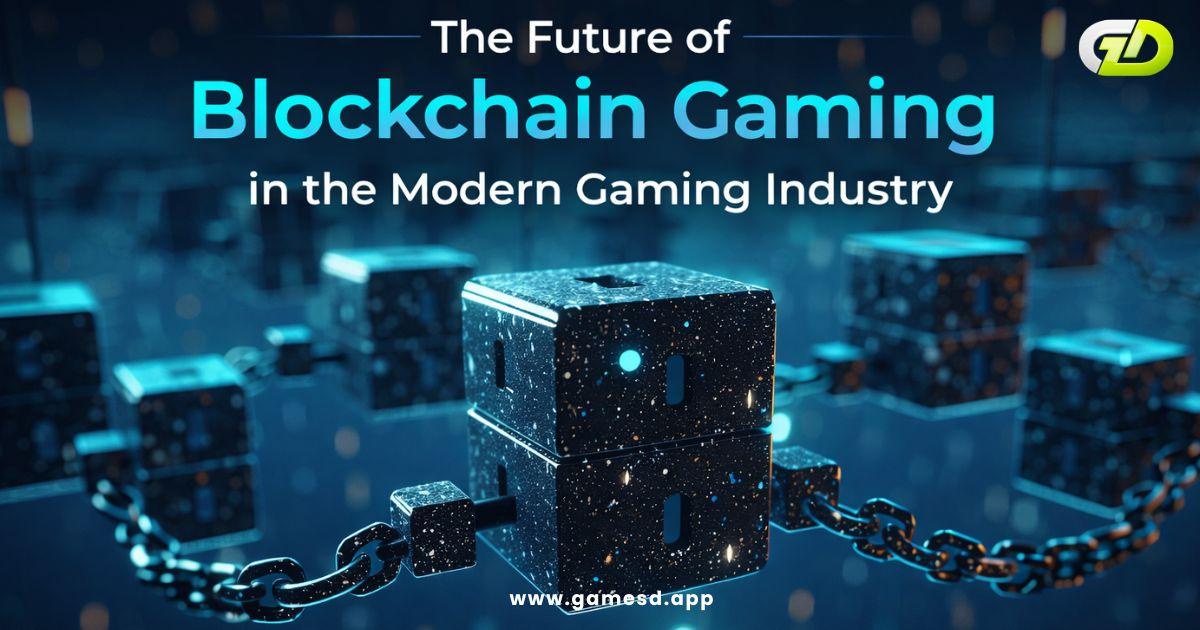
In traditional gaming, players spend countless hours and money unlocking skins, weapons, and other in-game assets. However, these items are usually controlled by the game developer, meaning players don’t truly own what they earn or purchase. If the game shuts down or the account is restricted, those assets can disappear, highlighting the limitations of centralized gaming systems.
Blockchain game development is transforming this model by enabling true digital ownership. With blockchain technology, in-game assets can be securely recorded on a decentralized network, allowing players to own, trade, or sell their items independently. This shift is redefining the relationship between players and digital assets, bringing more transparency, control, and long-term value to modern gaming.
What Digital Ownership Means in Gaming?
Digital ownership in gaming refers to a player’s ability to truly own the in-game items they earn or purchase. In traditional games, assets like skins, weapons, characters, or virtual land are controlled by the game developer, meaning players only have limited access to them within the game. If the game shuts down or an account is restricted, players may lose those assets entirely.
With blockchain-based games, digital ownership becomes more transparent and secure. In-game assets are stored on the blockchain, allowing players to have verifiable ownership of their items. This means players can hold, trade, or transfer their assets freely, giving digital items real value and control beyond the game environment through game development.
Role of Blockchain Technology in Gaming
Blockchain technology plays a key role in transforming how in-game assets are created, stored, and managed. It introduces a decentralized system where digital items are securely recorded and verified, allowing players to have more control and transparency over their game assets.
Decentralized Asset Storage
Blockchain stores in-game items on a decentralized ledger, ensuring that assets are not controlled by a single company or server.
Transparency and Security
Every transaction and asset ownership record is visible and verifiable on the blockchain, reducing fraud and improving trust.
Smart Contract Automation
Smart contracts automatically handle asset transfers, purchases, and trades without the need for intermediaries.
Secure Player-to-Player Trading
Blockchain allows players to trade or sell their in-game assets safely through secure and transparent transactions.
NFTs and Tokenized Game Assets
Non-Fungible Tokens (NFTs) play a major role in blockchain gaming by representing unique in-game assets on the blockchain. Items such as skins, weapons, characters, or virtual land can be tokenized as NFTs, giving each asset a unique digital identity and verifiable ownership. This allows players to buy, sell, or trade their assets securely, creating real value and expanding the possibilities of digital ownership within modern gaming ecosystems.
Play-to-Earn and Player Economy
The Play-to-Earn (P2E) model is another innovation enabled by blockchain game development. In this system, players can earn tokens, rewards, or valuable in-game assets by participating in gameplay, completing missions, or winning competitions. These rewards can often be traded, sold, or used within the game ecosystem, creating a player-driven economy where time and skill can translate into real digital value.
The Future of Blockchain Gaming in the Modern Gaming Industry
Blockchain gaming is expected to shape the future of the modern gaming industry by enabling true digital ownership and decentralized player economies. As adoption grows, players may gain greater control over their in-game assets, allowing secure trading, transparent transactions, and new opportunities for value creation. This innovation could redefine how players interact with digital assets within gaming ecosystems.
Conclusion
Blockchain game development is reshaping the gaming industry by enabling true digital ownership and secure asset trading. With technologies like blockchain and NFTs, players can gain real value from their in-game assets and participate in more transparent gaming ecosystems.
GamesDApp is a leading blockchain game development company that specializes in building secure, scalable, and innovative blockchain-based gaming solutions. The company helps businesses create engaging blockchain games with features like NFT integration, digital asset ownership, and decentralized gaming economies.

 Arabic
 Français
 Español
 Português
 Deutsch
 Türkçe
 Dutch
Dutch
 Italiano
 Russian
 Romaian