


Building a Commercial EV Charging Business: A Complete Guide for New Dealerships
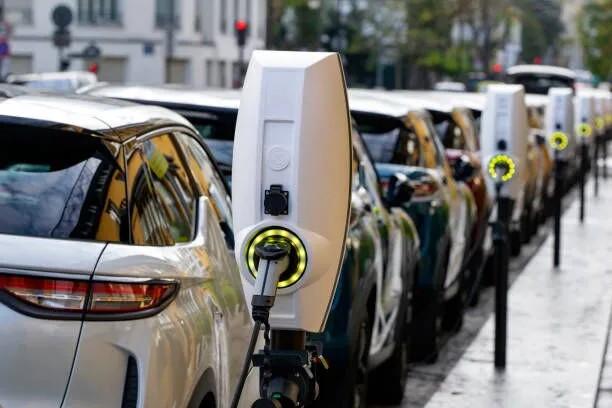
The accelerating global shift toward electric vehicles is creating strong demand for reliable, accessible charging infrastructure. As governments push for cleaner transportation and consumers adopt EVs at record speed, commercial EV charger stations have become a high‑growth business opportunity. Establishing a dealership in this sector allows entrepreneurs to participate directly in the expanding EV ecosystem while contributing to sustainable mobility.
Understanding Commercial EV Charging Stations
Commercial EV charging stations are high‑capacity systems designed for public and semi‑public locations such as shopping centers, parking facilities, office complexes, hotels, and highways. Unlike home chargers, commercial stations support multiple vehicles, offer faster charging speeds, and integrate advanced management features. They are essential for meeting the needs of the growing EV population and ensuring convenient access to charging infrastructure.
How to Choose the Right Charging Equipment
Selecting the right chargers is foundational to building a successful business.
Types of Chargers
-
Level 1 — slowest, suitable only for residential use.
-
Level 2 — ideal for commercial sites, offering faster charging for daily use.
-
DC Fast Chargers — the fastest option, designed for high‑traffic areas and long‑distance travel corridors.
Compatibility
Choose chargers that support a wide range of EV models and connector standards to maximize customer reach.
Scalability
Opt for modular systems that allow easy expansion as demand grows.
Network Connectivity
Modern chargers include remote monitoring, diagnostics, payment processing, and usage analytics—critical for efficient operations.
Maintenance Requirements for Long‑Term Success
A commercial EV charging business depends on consistent uptime and reliable performance. Key maintenance areas include:
-
Hardware Maintenance — regular inspection of cables, connectors, housings, and protective components to prevent wear‑related failures.
-
Power Management — monitoring transformers, breakers, and wiring to ensure stable, safe power delivery, especially for high‑load DC fast chargers.
-
Payment Systems — maintaining software updates, ensuring smooth transactions, and troubleshooting payment issues to protect revenue flow.
-
Connectivity — ensuring stable network connections for remote management, software updates, and cybersecurity protection.
Effective maintenance improves customer satisfaction, reduces downtime, and extends equipment lifespan.
Why Start a Commercial EV Charging Dealership
A dealership model offers several strategic advantages:
-
Growing Market Demand — EV adoption is rising rapidly, creating long‑term infrastructure needs.
-
Multiple Revenue Streams — charging fees, advertising, retail partnerships, and service contracts.
-
Environmental Benefits — supporting clean transportation enhances brand reputation.
-
Government Incentives — subsidies and grants can significantly reduce installation costs.
-
Brand Positioning — becoming an early provider strengthens market presence and credibility.
Steps to Launching a Successful EV Charging Dealership
-
Research the Market Analyze local EV adoption, traffic patterns, competitor presence, and ideal installation sites.
-
Select Reliable Manufacturers or Suppliers Partner with companies offering certified, high‑quality chargers and strong technical support.
-
Join a Dealership Program Evaluate programs that provide training, marketing resources, and favorable pricing structures.
-
Complete the Application Process Submit required documents such as business plans and financial information to secure approval.
-
Deploy Charging Stations Install chargers in strategic, high‑visibility locations with efficient payment and management systems.
-
Build Customer Relationships Offer responsive service, gather feedback, and engage with local communities to strengthen loyalty.
Conclusion
The commercial EV charging sector offers significant growth potential and meaningful environmental impact. By selecting the right equipment, maintaining reliable operations, and following a structured dealership approach, entrepreneurs can build a profitable and future‑ready business. As the world moves toward electric mobility, commercial charging stations will play a central role in supporting this transition and shaping the next generation of transportation.
China manufacturer offers high-quality industrial products with competitive pricing and advanced production capabilities.

 English
 Arabic
 Français
 Español
 Português
 Deutsch
 Türkçe
 Dutch
Dutch
 Russian
 Romaian