


The Science Behind Chemical Peels: Explained
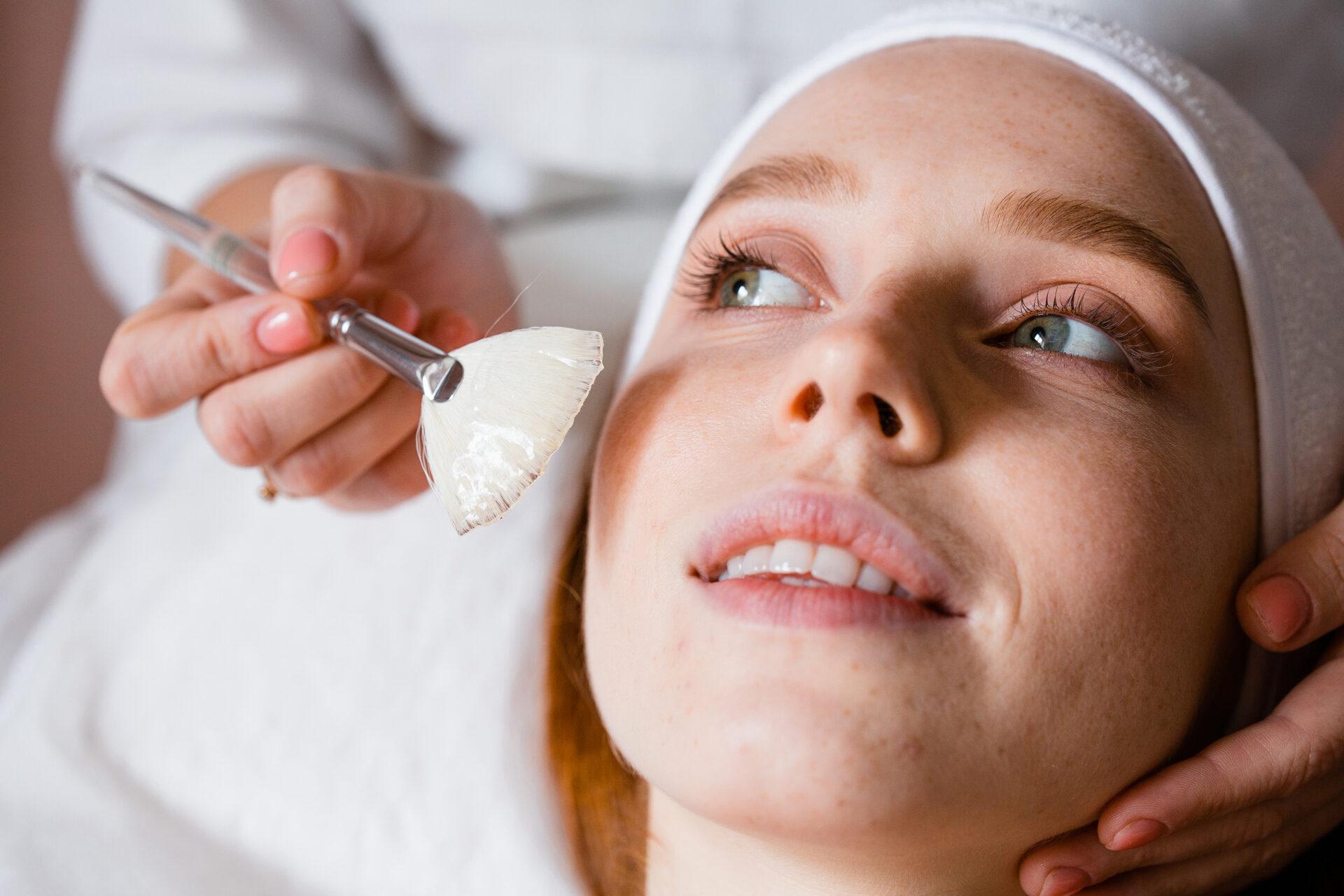
If you are looking to rejuvenate your skin and address concerns like acne scars, fine lines, or uneven skin tone, Chemical Peels in Islamabad are one of the most effective treatments available. Widely used in dermatology and cosmetic clinics, chemical peels work by exfoliating the outer layers of the skin, promoting cell turnover, and revealing smoother, healthier skin underneath. But what exactly happens at the cellular level, and why are chemical peels so effective? In this article, we will explore the science behind chemical peels, their types, benefits, and how they work to improve your skin health.
What Are Chemical Peels?
A chemical peel is a skin-resurfacing procedure where a solution containing acids is applied to the skin. The solution causes controlled damage to the epidermis (the outermost layer of the skin) and sometimes the upper dermis, depending on the peel’s strength. This controlled injury triggers the skin’s natural healing process, encouraging the production of new collagen and elastin—proteins that are vital for skin elasticity and firmness.
Chemical peels are designed to remove damaged or dead skin cells, which not only improves the skin’s texture and tone but also helps in treating pigmentation issues, acne scars, sun damage, and signs of aging.
How Chemical Peels Work
At a cellular level, chemical peels work by breaking down the bonds between dead skin cells in the epidermis. These acids penetrate the skin and dissolve the outer layers, which eventually peel away. Once the top layer is removed, new skin cells form, making the skin look fresher and healthier.
The depth of penetration determines the peel’s effect:
-
Superficial Peels: Target only the epidermis and are ideal for mild skin issues such as minor discoloration, rough texture, and acne. They usually use mild acids like glycolic acid or lactic acid.
-
Medium Peels: Reach the upper dermis and are effective for moderate skin concerns, including fine lines, uneven skin tone, and deeper acne scars. Trichloroacetic acid (TCA) is a common medium-depth peel.
-
Deep Peels: Penetrate deeper into the dermis and are used for severe skin issues such as deep wrinkles, extensive sun damage, or significant scarring. Phenol is often used in deep peels and usually requires more extended recovery.
The application of these chemical agents initiates controlled inflammation in the skin, which stimulates fibroblasts to produce new collagen and elastin. Collagen remodeling contributes to tighter, smoother skin, while elastin maintains the skin’s flexibility.
Common Types of Chemical Peels
Understanding the types of chemical peels helps in choosing the right treatment for your skin concerns:
-
Alpha Hydroxy Acid (AHA) Peels: Derived from natural sources like sugarcane or milk, AHAs gently exfoliate and are perfect for superficial treatments. Glycolic acid is the most popular AHA used in chemical peels.
-
Beta Hydroxy Acid (BHA) Peels: Salicylic acid, a type of BHA, penetrates deeper into the pores and is highly effective for treating acne-prone skin.
-
Trichloroacetic Acid (TCA) Peels: Medium-depth peels that treat fine lines, pigmentation, and moderate scarring.
-
Phenol Peels: Strong deep peels suitable for severe wrinkles and sun-damaged skin. Due to their potency, phenol peels require careful monitoring by experienced dermatologists.
Benefits of Chemical Peels
Chemical peels offer multiple benefits for both cosmetic and dermatological purposes:
-
Improved Skin Texture: By removing dead skin cells, peels smooth rough or dull skin.
-
Even Skin Tone: Helps reduce hyperpigmentation, melasma, and sunspots.
-
Acne Control: Reduces breakouts by unclogging pores and decreasing oil accumulation.
-
Anti-Aging Effects: Stimulates collagen and elastin production, minimizing fine lines and wrinkles.
-
Boosted Skincare Absorption: After a peel, skin absorbs serums and moisturizers more effectively.
How to Prepare for a Chemical Peel
Preparation is essential for optimal results and minimal side effects:
-
Consult a Dermatologist: Always get your skin evaluated to choose the right peel.
-
Pre-Treatment Skincare: Avoid retinoids, exfoliants, or strong acids a week before the peel.
-
Sun Protection: Skin is more sensitive before and after a peel; use sunscreen diligently.
-
Hydration: Keep the skin hydrated to facilitate faster healing.
Post-Peel Care
Recovery depends on the depth of the peel:
-
Superficial Peels: Minimal downtime, slight redness or flaking may occur.
-
Medium Peels: Skin may peel for 5–7 days, with redness and sensitivity lasting longer.
-
Deep Peels: Can require weeks of recovery, with strict post-care including sun avoidance and specialized creams.
Common post-peel recommendations include gentle cleansing, avoiding direct sunlight, using moisturizers, and following the dermatologist’s instructions carefully.
Risks and Considerations
While chemical peels are generally safe when performed by trained professionals, some potential risks include:
-
Redness and irritation
-
Temporary or permanent changes in skin color
-
Scarring in rare cases
-
Infection if post-care instructions are not followed
It is essential to have chemical peels done at a reputable clinic with experienced dermatologists to minimize these risks.
FAQs About Chemical Peels in Islamabad
1. How much do chemical peels cost in Islamabad?
The cost varies depending on the peel type and clinic. Superficial peels are generally more affordable, while medium and deep peels are more expensive due to their complexity.
2. Are chemical peels suitable for all skin types?
Yes, but the type and strength of the peel should be tailored to your skin type. Darker skin tones require cautious use to prevent hyperpigmentation.
3. How often should I get a chemical peel?
Superficial peels can be done every 4–6 weeks, medium peels every 6–12 months, and deep peels are usually a one-time treatment.
4. Will a chemical peel remove deep acne scars?
Medium and deep peels can significantly improve acne scars, but severe scarring may require additional treatments like microneedling or laser therapy.
5. Can I wear makeup after a peel?
For superficial peels, makeup can be applied after a few days. For medium and deep peels, it’s best to wait until the skin has fully healed.
Conclusion
Chemical peels are more than just a cosmetic procedure—they are a scientifically proven method to improve skin health, texture, and appearance. By understanding how chemical peels work and following proper pre- and post-care, patients can enjoy brighter, smoother, and healthier skin.
For anyone looking to explore professional chemical peels in Islamabad, SKN Cosmetics provides expert treatments tailored to individual skin types, ensuring safety and optimal results.

 English
 Arabic
 Español
 Português
 Deutsch
 Türkçe
 Dutch
Dutch
 Italiano
 Russian
 Romaian