


How Graham Nicholas Transforms Offices with Expert Interior Design
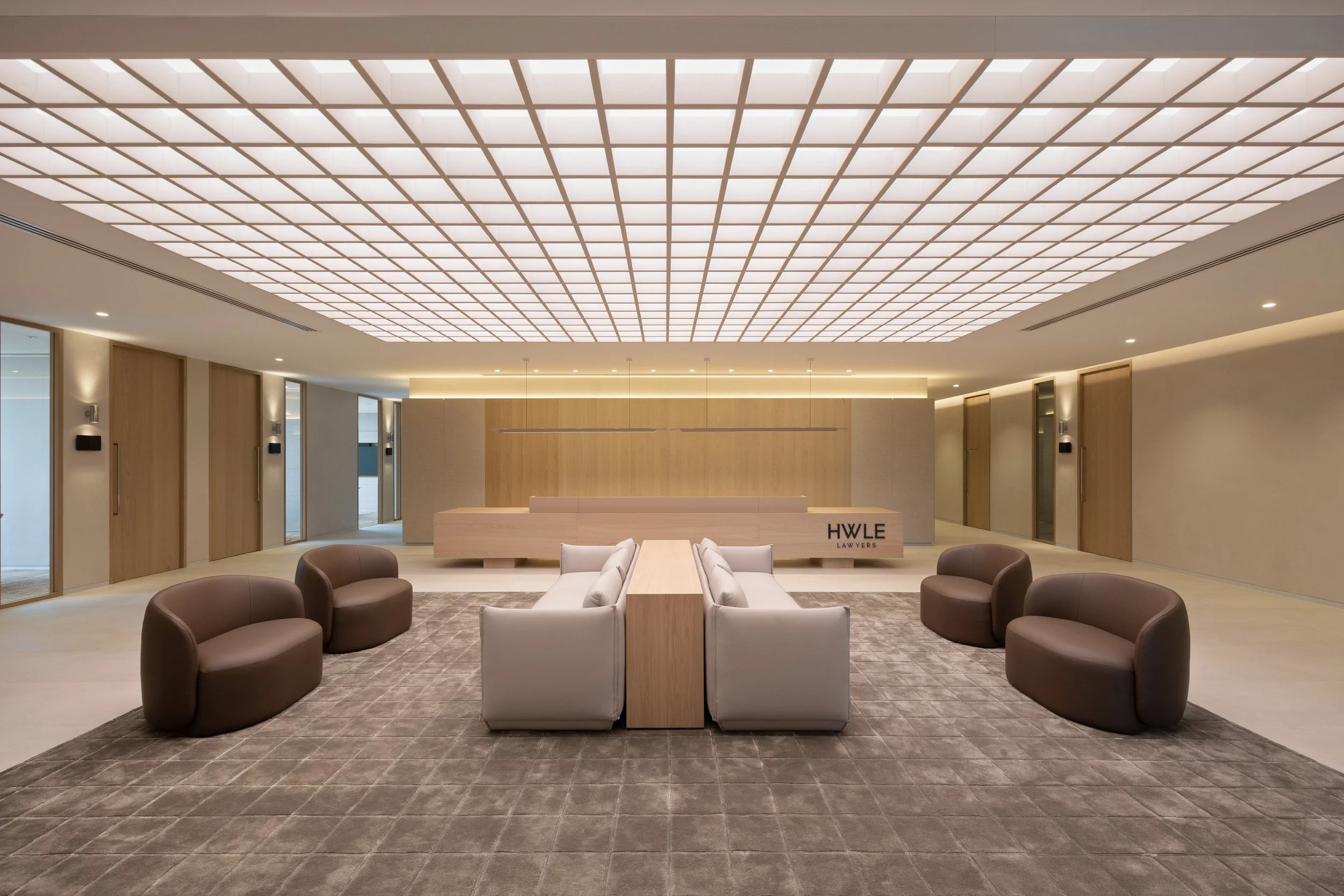
When you step into a workspace designed by Graham Nicholas, the first thing you notice is a palpable sense of intentionality. Nothing feels accidental or generic; every material, every piece of furniture, and every ray of light seems to have been placed with a specific purpose in mind. This is the hallmark of Graham Nicholas's approach to commercial interior design—a philosophy that views the office not merely as a container for workers, but as a dynamic tool that shapes behavior, influences culture, and drives business outcomes. His transformative power lies in a deep understanding of how people move, interact, and think within built environments, and his work consistently demonstrates that great design is not a luxury but a strategic necessity for modern organizations.
The Philosophy of Human-Centered Design
At the core of Graham Nicholas's methodology is an unwavering commitment to human-centered design. He approaches each project not by asking what a space should look like, but by investigating how it needs to feel and function for the people who will inhabit it daily. This involves extensive consultation with everyone from executives to entry-level staff, uncovering the subtle ways in which the current environment might be hindering collaboration, stifling creativity, or simply causing discomfort. Nicholas understands that an office is a living ecosystem, and his designs reflect a profound respect for the diverse needs of its inhabitants. By prioritizing the human experience above all else, he creates spaces that people genuinely want to be in, spaces that reduce stress, foster connection, and ultimately make the workday more enjoyable and productive.
Strategic Space Planning for Hybrid Harmony
One of the most significant challenges facing businesses today is the creation of an office that works for both in-person and remote employees. Graham Nicholas tackles this head-on with strategic space planning that acknowledges the reality of hybrid work without compromising on the office's core purpose. Rather than simply reducing square footage, he reimagines how every square meter can be utilized more effectively. This means designing a careful balance of spaces for focused individual work, collaborative team projects, and spontaneous social interaction. He creates neighborhoods or zones within the office that cater to different departments or work styles, ensuring that employees who come in find exactly what they need, whether that's a quiet corner for deep concentration or a bustling hub for brainstorming sessions with colleagues.
The Art of Curating Materials and Textures
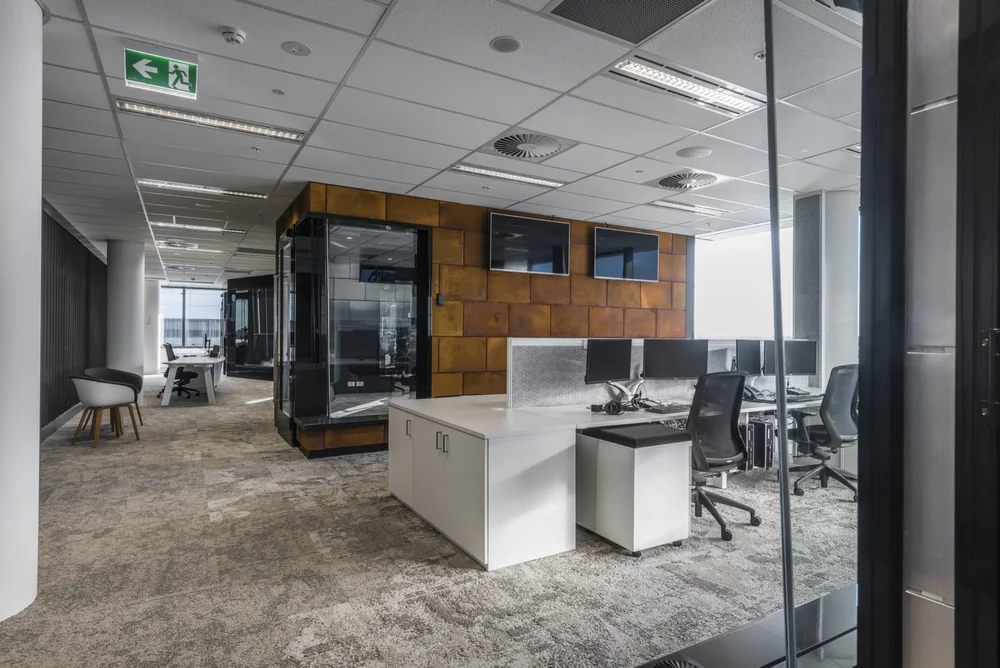
Where many designers might rely on trends, Graham Nicholas distinguishes himself through the thoughtful curation of materials and textures. He views the tactile experience of a space as just as important as its visual appeal, recognizing that our surroundings affect us on a sensory level. In his projects, you will find a deliberate contrast between warm timber and cool metal, between soft upholstery and polished concrete, between transparent glass and solid oak. This layering of textures creates visual interest and depth, but it also serves a psychological purpose. It makes a space feel grounded, sophisticated, and welcoming. Nicholas often sources materials that tell a story or reflect the local context, adding a layer of authenticity that cannot be replicated by off-the-shelf corporate fitouts.
Mastering the Interplay of Light and Shadow
Lighting is often an overlooked element in office design, but for Graham Nicholas, it is one of the most powerful tools in his arsenal. He moves beyond the default solution of uniform overhead lighting to create carefully considered lighting schemes that shape mood and guide movement throughout the day. Natural light is always maximized, with workstations positioned to take advantage of windows and views. For artificial lighting, he employs a layered approach, combining ambient illumination with task lighting at individual desks and accent lighting that highlights architectural features or artwork. This thoughtful interplay of light and shadow prevents the flat, sterile feeling that plagues so many offices, instead creating a dynamic environment that feels both energizing and comfortable.
Creating Flow and Movement Through Design
Great interior design is as much about the spaces between things as it is about the things themselves. Graham Nicholas has a particular talent for creating flow and movement within an office, designing circulation paths that encourage chance encounters and spontaneous conversations. He understands that innovation often happens not in scheduled meetings, but in the informal moments when colleagues bump into each other and share ideas. His layouts feature generous circulation zones, inviting breakout areas positioned along main thoroughfares, and sightlines that draw people through the space. The result is an office that feels alive and connected, where movement feels natural rather than forced, and where the physical layout actively contributes to a stronger sense of community.
Incorporating Brand Identity into Physical Space
For Graham Nicholas, an office should be a physical embodiment of a company's brand and culture. He works closely with clients to translate their values, personality, and aspirations into tangible design elements that tell their unique story. This goes far beyond displaying a logo in the reception area. It might mean using brand colors in unexpected ways throughout the space, incorporating imagery or materials that reflect the company's history or industry, or designing signature features that become synonymous with the brand experience. When employees and visitors walk into a Nicholas-designed office, they immediately understand what the company stands for. This alignment between physical environment and corporate identity reinforces culture internally and makes a powerful impression on clients and partners.
The Lasting Impact of Thoughtful Design
The true measure of Graham Nicholas's work lies in its lasting impact on the organizations he serves. A well-designed office does not just look good on opening day; it continues to function effectively and inspire its occupants for years to come. Nicholas designs with longevity in mind, choosing durable materials and flexible layouts that can adapt as business needs evolve. The feedback he consistently receives from clients speaks to environments where collaboration has improved, where employees feel more engaged, and where the office has become a genuine asset rather than a operational expense. In a world where the future of work remains uncertain, his approach offers something invaluable: spaces that are resilient, humane, and perfectly tailored to the people who use them.

 English
 Arabic
 Français
 Español
 Deutsch
 Türkçe
 Dutch
Dutch
 Italiano
 Russian
 Romaian