The pursuit of photorealism in 3D product rendering represents one of the most demanding challenges in digital visualization, requiring equal measures of technical precision and artistic sensitivity. XO3D has achieved mastery in this discipline through years of dedicated practice, continuous learning, and unwavering commitment to quality. This breakdown reveals the layers of expertise and effort that combine to create renderings indistinguishable from photographs of physical products. Understanding what goes into photorealistic work helps clients appreciate the value of true mastery and recognize why achieving this standard requires partners with exceptional capabilities. From initial modeling through final compositing, each stage of XO3D's process contributes to the seamless illusion that defines photorealistic excellence.
Precision Modeling as the Foundation
Every photorealistic rendering begins with geometry that captures every nuance of product design with absolute fidelity. XO3D's modelers construct digital replicas using reference materials that may include CAD files, physical samples, detailed photographs, and technical specifications. The modeling process attends to details that might seem insignificant but collectively determine whether renderings feel authentic or artificial. Edge radii must match manufacturing specifications exactly, creating the subtle rounding that distinguishes real products from mathematically perfect forms. Surface continuity must be maintained across complex curves, with no visible faceting even under extreme magnification. Assembly details like seams, gaps, and fastener locations must be represented accurately, reflecting how products actually go together. This precision modeling establishes foundation upon which all subsequent work depends, and XO3D invests whatever time necessary to get this stage right before moving forward.
Advanced Material Systems That Behave Realistically
With geometry established, XO3D's material artists create surface definitions that determine how products respond to light. These material systems go far beyond simple color and reflectivity settings, incorporating complex shader networks that simulate the physical properties of real substances. Metals require accurate conductivity settings that determine how light interacts with their surface structure. Plastics need subsurface scattering that mimics the slight light penetration characterizing real polymer materials. Fabrics demand anisotropy that captures how threads reflect light differently depending on weave direction. XO3D builds material libraries containing thousands of carefully calibrated presets, but each project also receives customized attention ensuring that every surface matches the specific product being rendered. The studio's artists study reference materials obsessively, analyzing how light behaves on real surfaces and replicating those behaviors through sophisticated digital simulations.
Lighting That Creates Mood and Authenticity
Lighting in photorealistic rendering serves dual purposes, establishing both technical authenticity and emotional atmosphere. XO3D's lighting artists understand that light does more than simply illuminate; it models form, reveals texture, establishes context, and communicates mood. Technical authenticity requires accurate light behavior, with shadows falling correctly, reflections showing appropriate content, and global illumination capturing how light bounces between surfaces. Emotional atmosphere comes from deliberate choices about light quality, color temperature, and direction that support each project's creative objectives. A product requiring warm, inviting presentation might receive soft, golden illumination suggesting afternoon sun. A product needing cool, precise presentation might receive controlled studio lighting with clean white balance. XO3D builds virtual lighting setups that achieve these effects with the same control cinematographers exercise on film sets, adjusting countless parameters until lighting feels exactly right.
Camera Work That Feels Photographic
The illusion of photography depends partly on camera simulation that replicates optical characteristics of real lenses and capture systems. XO3D's virtual cameras include accurate lens models that produce distortion patterns, vignetting, and chromatic aberration matching specific photographic equipment. Depth of field follows optical formulas rather than simple blur filters, with out-of-focus areas rendered according to actual lens physics. Motion blur, when used, simulates the behavior of real camera shutters and subject movement. These camera simulations add subtle authenticity cues that signal to viewers they are looking at photographs rather than computer-generated images. XO3D's artists select virtual lenses and camera settings based on creative requirements, understanding how focal length affects perspective and how aperture settings influence depth of field. This photographic thinking extends through every decision, ensuring that final images feel like they were captured rather than constructed.

Environmental Integration That Grounds Products
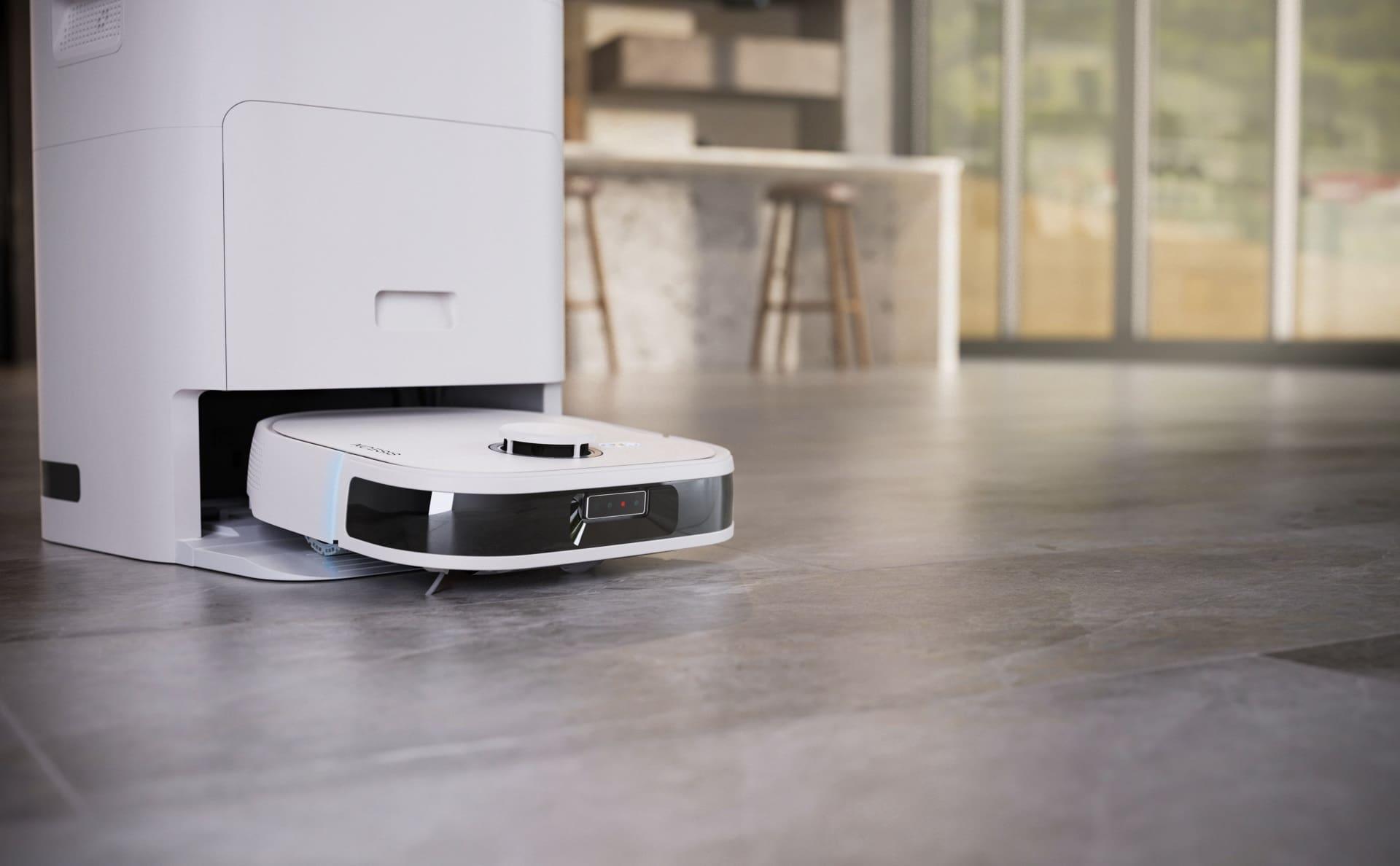
Products rendered in isolation rarely achieve full photorealism because real objects always exist within environments that affect their appearance. XO3D constructs virtual worlds that provide authentic contexts, with lighting, reflections, and shadows that behave consistently across all elements. High-dynamic-range environment maps capture real-world illumination, providing accurate lighting that wraps around products naturally. Reflection content shows appropriate environmental detail rather than generic map patterns. Shadows connect products to surfaces convincingly, with contact shadows and ambient occlusion providing the subtle darkness where objects meet. Environmental scale must feel appropriate, with products neither floating in void nor cramped into spaces that feel wrong. XO3D's artists consider how environmental choices affect product perception, selecting or constructing contexts that enhance desired qualities without distracting from products themselves.
Post-Production Polish That Completes the Illusion
The final stage of XO3D's photorealistic process involves post-production techniques that add finishing polish while maintaining authenticity. Color grading ensures consistent appearance across all renders from a project, with adjustments that may enhance mood while preserving natural appearance. Compositing combines rendered elements when scenes include multiple passes or layers, ensuring seamless integration. Subtle imperfections may be added when appropriate, acknowledging that real photographs include dust, lens flares, and other artifacts that sterile renders lack. XO3D's post-production artists understand that restraint matters as much as enhancement, knowing when adjustments improve results and when they undermine authenticity. The goal throughout remains creating images that viewers accept as photographs of real objects, with no telltale signs revealing their digital origin. This commitment to seamless illusion, maintained through every stage of production, defines XO3D's photorealistic mastery and distinguishes the studio's work in an increasingly competitive field.




 English
 Arabic
 Français
 Español
 Português
 Deutsch
 Türkçe
 Dutch
Dutch
 Italiano
 Russian