


Choosing the Right Off Grid Solar System for Your Needs
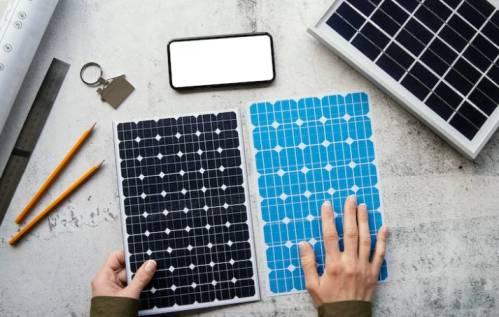
Transitioning to renewable energy sources has never been more urgent, making off grid solar systems an attractive solution for energy independence and minimising carbon footprints. However, choosing an off grid system requires considering several factors, such as energy consumption, geographical location and available sunlight. This article is a comprehensive guide to assist with making informed decisions when selecting one suitable for your unique requirements.
Understanding Off Grid Solar Systems
Off grid solar systems (also referred to as stand-alone systems) operate independently from conventional electricity grids. These systems utilise solar energy from photovoltaic panels, store excess power in batteries, and then distribute it for various applications - ideal for remote areas, cabins, boats or emergency backup solutions.
Assessing Your Energy Consumption
Step one in choosing an off grid solar system is assessing your energy consumption. Calculate how many appliances and devices require powering before making this selection decision. This includes lights, refrigerators, water pumps, and communication equipment. Make a comprehensive list and calculate the total daily energy consumption in watt-hours (Wh).
Estimated Daily Sunlight Hours
The amount of sunlight your location receives plays a pivotal role in sizing your off grid solar system. Areas with higher sun exposure will generate more energy, while those in cloudy regions may require additional panels and batteries to compensate for reduced sunlight. Research your region's average daily sunlight hours to gain an accurate estimate.
Calculating System Size
To calculate the required system size, divide your total daily energy consumption (in Wh) by the average daily sunlight hours. This calculation provides the minimum wattage your solar panels need to generate per hour. Remember that factors like seasonal variation and system inefficiencies should also be considered. It's advisable to oversize your system slightly to accommodate unexpected fluctuations and ensure optimal performance.
Choosing the Right Solar Panels
Selecting high-quality solar panels is essential for maximising energy production and system longevity. Monocrystalline panels are known for their efficiency and space-saving design, making them an excellent choice for off grid systems. Polycrystalline panels are also reliable and cost-effective, though they may require more installation space. Consider the available space and your budget when choosing the type and quantity of panels.
Select Battery Storage
Batteries form the cornerstone of an off grid solar system, storing any surplus electricity produced during sunny times for use later when nights and clouds arrive. Lithium-ion batteries tend to offer higher energy density, longer lifespan and deep discharge capability than lead acid batteries - although lithium-ion is generally more cost-effective as maintenance costs and lifespan tend to be reduced accordingly.
An inverter converts direct current (DC) solar panels generated into usable alternating current (AC) for your appliances. Additionally, a charge controller manages the battery charging process to prevent overcharging and damage. Opt for inverters that can handle your system's wattage while providing surge capacity for starting high-power devices. Choose a charge controller compatible with your battery type and system size to ensure efficient charging and protection.
Consider Backup Systems
Even in off grid setups, having a backup power source is advisable to maintain energy availability during extended periods of low sunlight or unexpected failures. Backup options may include a generator powered by a renewable fuel source or a wind turbine if applicable to your location. These backups can provide peace of mind and ensure an uninterrupted power supply.
Conclusion
At AHLEC Solar we recognise that selecting the right off grid solar system requires careful analysis of your energy needs, geographical location, and available sunlight.Careful consideration must be made when designing and selecting components of an off grid solar power system; including energy consumption analysis, estimated sun hour estimates, system size calculations and component selection such as solar panels, batteries, inverters and charge controllers, to ensure long-term success of any off grid system. High quality modules including these solar modules should ensure long-term success for an off grid system.. Lastly, considering backup systems ensures you'll have power even during challenging circumstances. With the right off grid solar system, you can embrace sustainable energy solutions and enjoy the benefits of energy independence.

 English
 Arabic
 Français
 Español
 Português
 Deutsch
 Dutch
Dutch
 Italiano
 Russian
 Romaian