


Why Septic Inspection Services Are Essential for a Healthy and Efficient System
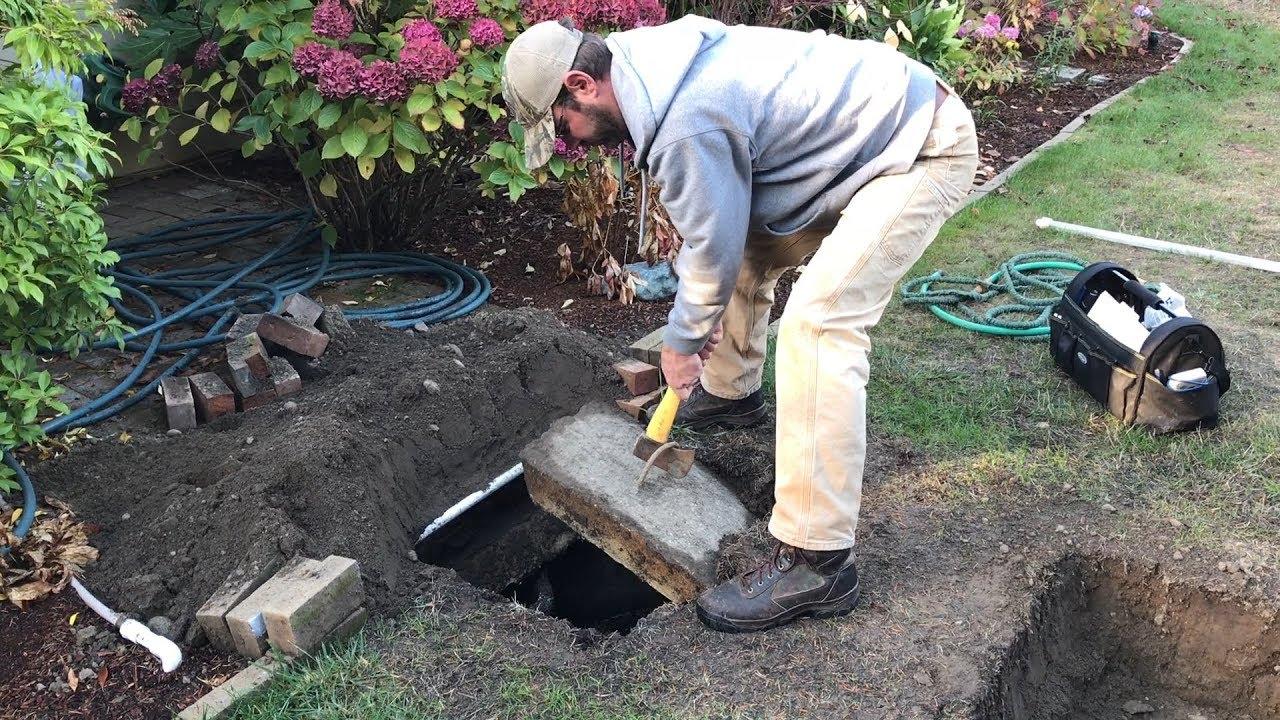
A properly functioning septic system is something most homeowners rarely think about—until something goes wrong. That’s where Septic Inspection Services play a critical role. These inspections help ensure your system is working efficiently, preventing unexpected failures, costly repairs, and potential health hazards.
Septic systems operate quietly beneath the surface, handling wastewater from your home every day. Over time, wear and tear, environmental factors, and usage patterns can affect performance. Regular inspections provide valuable insight into the condition of your system and help identify problems before they escalate.
Understanding How a Septic System Works
Before diving into the importance of inspections, it helps to understand the basics of how a septic system functions.
The Main Components
A typical septic system includes:
-
A septic tank that separates solids from liquids
-
A drainfield where treated water is dispersed into the soil
-
Pipes that transport wastewater from your home
Each component must work properly for the system to function effectively. If one part fails, it can impact the entire system.
The Treatment Process
Wastewater enters the tank, where solids settle at the bottom and lighter materials float to the top. The liquid in between flows into the drainfield, where it is naturally filtered through the soil. This process relies on balance—any disruption can lead to system failure.
Why Regular Inspections Are Important
Routine inspections are essential for maintaining the health of your septic system. They help detect issues early, allowing for timely intervention.
Preventing System Failures
Inspections can identify blockages, leaks, or structural damage before they cause complete system failure.
Protecting Your Property
A failing septic system can lead to unpleasant odors, water pooling, and even damage to your yard and home.
Ensuring Environmental Safety
Untreated wastewater can contaminate soil and groundwater, posing risks to the environment and public health.
Saving Money in the Long Run
Addressing minor issues early is far less expensive than dealing with major repairs or system replacement.
Signs You May Need a Septic Inspection
While regular inspections are recommended, certain signs indicate that your system may already be experiencing problems.
Slow Drains
If sinks, showers, or toilets are draining slowly, it could signal a blockage or system overload.
Unpleasant Odors
Foul smells around your property often indicate that wastewater is not being properly contained or treated.
Standing Water
Pooling water near the drainfield can be a sign of system failure.
Lush, Unusual Grass Growth
Excessively green grass in one area may indicate leakage from the system.
Mid-Article Focus: Local Considerations for Septic Systems
In areas with specific soil conditions and environmental factors, inspections become even more critical. Homeowners often rely on Septic Inspection in Greenville, SC to ensure their systems are functioning properly within the local environment.
Soil composition, rainfall patterns, and property layout all influence how a septic system performs. Professionals familiar with local conditions can identify potential risks and recommend solutions tailored to the area. Their expertise helps ensure that systems remain efficient and compliant with regional requirements.
This localized approach provides a deeper level of insight, helping homeowners maintain their systems more effectively.
What Happens During a Septic Inspection
Understanding the inspection process can help you know what to expect.
Visual Assessment
Inspectors check for visible signs of damage, leaks, or wear in the system components.
Tank Inspection
The septic tank is examined to assess sludge and scum levels, as well as overall condition.
Drainfield Evaluation
The drainfield is inspected for proper drainage and signs of saturation or failure.
System Testing
In some cases, tests are conducted to evaluate how well the system is processing wastewater.
Types of Septic Inspections
Different situations may require different types of inspections.
Routine Maintenance Inspections
These are performed regularly to ensure the system is functioning properly.
Pre-Purchase Inspections
When buying a home, an inspection helps determine the condition of the septic system.
Problem-Based Inspections
These are conducted when there are signs of system failure or performance issues.
Common Issues Found During Inspections
Septic inspections often reveal problems that may not be immediately visible.
Tank Overload
Excessive waste buildup can reduce the tank’s capacity and efficiency.
Pipe Blockages
Clogs in the system can prevent proper flow and lead to backups.
Drainfield Failure
Poor drainage can cause wastewater to surface or pool.
Structural Damage
Cracks or leaks in the tank can compromise the system’s integrity.
Maintenance Tips for a Healthy Septic System
Regular maintenance is key to extending the life of your septic system.
Pump the Tank Regularly
Removing accumulated solids prevents overflow and system strain.
Use Water Efficiently
Excessive water usage can overload the system.
Avoid Flushing Harmful Materials
Items like grease, chemicals, and non-biodegradable products can damage the system.
Schedule Routine Inspections
Consistent inspections help catch issues early and maintain efficiency.
How Inspections Improve System Longevity
Septic systems are a long-term investment. Proper care and regular inspections can significantly extend their lifespan.
Early Problem Detection
Identifying issues early prevents them from worsening.
Improved Efficiency
A well-maintained system operates more effectively, reducing strain on components.
Reduced Risk of Emergencies
Regular inspections minimize the chances of sudden failures.
Better Property Value
A properly maintained septic system adds value and appeal to your property.
The Impact of Neglecting Septic Inspections
Ignoring septic maintenance can lead to serious consequences.
Health Hazards
Exposure to untreated wastewater can pose risks to human health.
Environmental Damage
Contamination of soil and water sources can have long-term effects.
Expensive Repairs
Major system failures often require costly repairs or replacement.
Legal Issues
In some areas, failing to maintain a septic system can result in regulatory penalties.
The Future of Septic System Care
Advancements in technology are improving how septic systems are monitored and maintained.
Smart Monitoring Systems
Modern systems can track performance and alert homeowners to potential issues.
Eco-Friendly Solutions
New technologies focus on reducing environmental impact while maintaining efficiency.
Improved Inspection Techniques
Advanced tools allow for more accurate and thorough inspections.
These innovations are making septic system maintenance more efficient and reliable.
Conclusion
Understanding the importance of Septic Inspection Services is essential for maintaining a safe and efficient wastewater system. Regular inspections help prevent costly repairs, protect your property, and ensure environmental safety.
By staying proactive and addressing issues early, homeowners can extend the life of their septic systems and avoid unnecessary stress. For those seeking dependable knowledge and practical solutions, American Drainfield stands as a trusted name in the field.

 English
 Arabic
 Français
 Español
 Português
 Deutsch
 Türkçe
 Dutch
Dutch
 Russian
 Romaian