


How to Identify and Create Green Spaces in Your Community
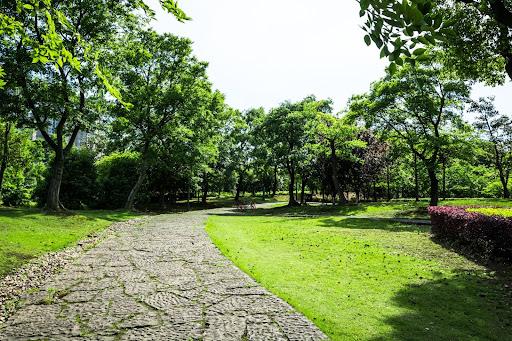
To identify and create green spaces in our community, we can start by pinpointing neglected lots, sidewalk strips, or vacant land. Let’s choose native plants that thrive locally, ensuring a rich habitat for wildlife. By organizing community events, we can engage our neighbors in planting and maintaining these areas together. This not only beautifies our surroundings but also fosters connections among us. If we look further, we’ll discover even more ways to enhance our urban green spaces.
Identifying Underutilized Spaces for Green Initiatives
Let’s look around our neighborhoods—those neglected plots, strips between sidewalks, or even vacant lots hold potential. Inspired by Ron Finley’s work in South Central Los Angeles, we can reclaim these spaces and turn them into urban food forests or mini-forests.
By focusing on native species, we can create habitats that support local wildlife while improving air quality.
We should also involve community members in this process, encouraging them to participate in planting and maintaining these green areas.
Together, we can foster a sense of community, enhance our surroundings, and promote sustainability, making our cities healthier and more enjoyable places to live.
Step-by-Step Guide to Creating Mini-Forests and Urban Gardens
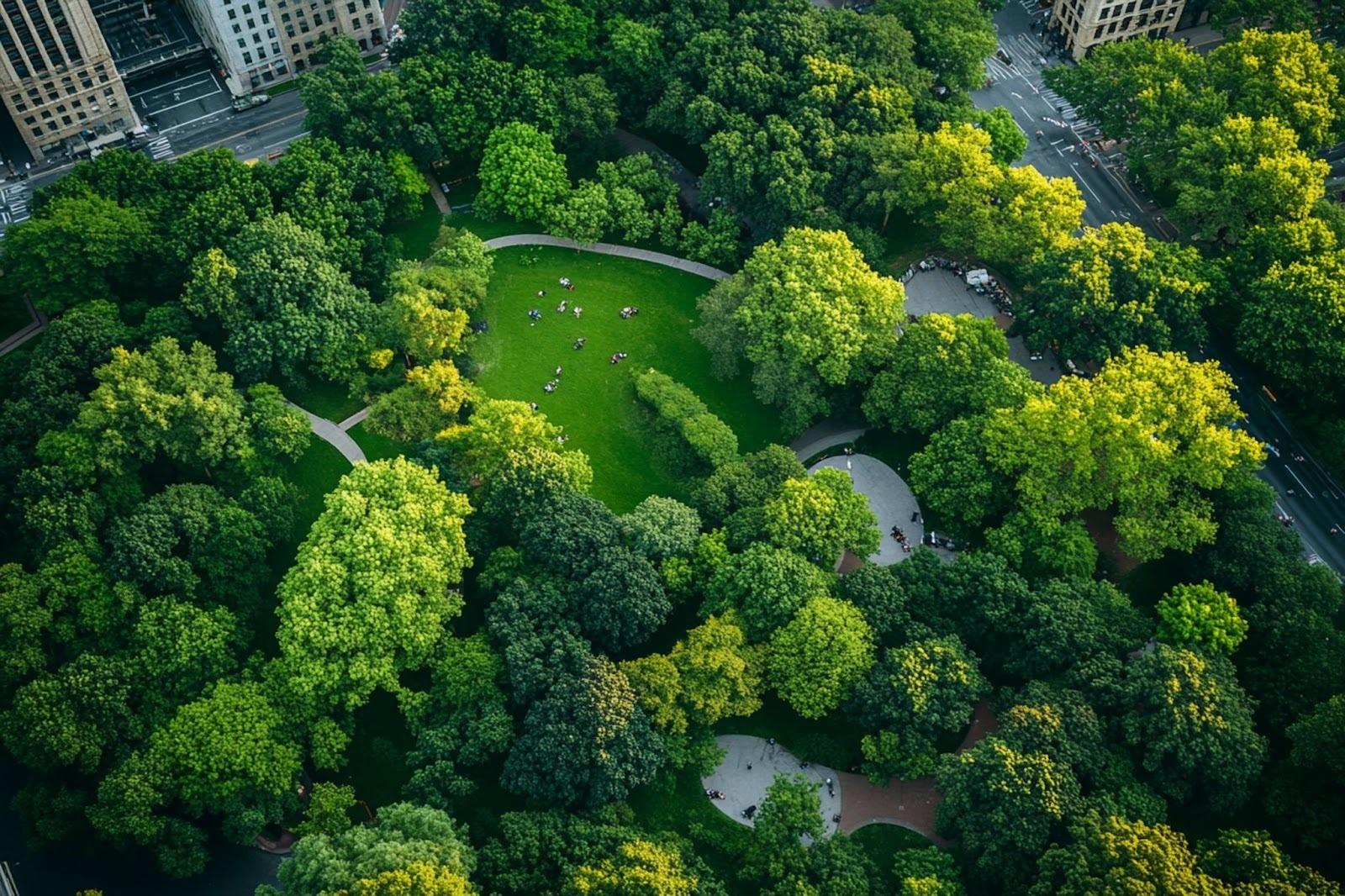
Creating mini-forests and urban gardens can transform our neighborhoods into thriving green spaces that benefit both the environment and the community.
First, let’s identify available urban land, such as vacant lots or underutilized areas. Next, we’ll select native plant species that thrive in our local climate, ensuring biodiversity.
Preparing nutrient-rich soil is essential; we can create a healthy foundation for our plants. Once we’ve planted seedlings, we should focus on ongoing care, including watering and weeding.
This method can yield a mini-forest in a fraction of the time of natural growth. By working together, we not only improve air quality and restore habitats but also enhance community pride and encourage outdoor engagement.
Let’s get started!
How to Foster Community Involvement in Green Space Initiatives?
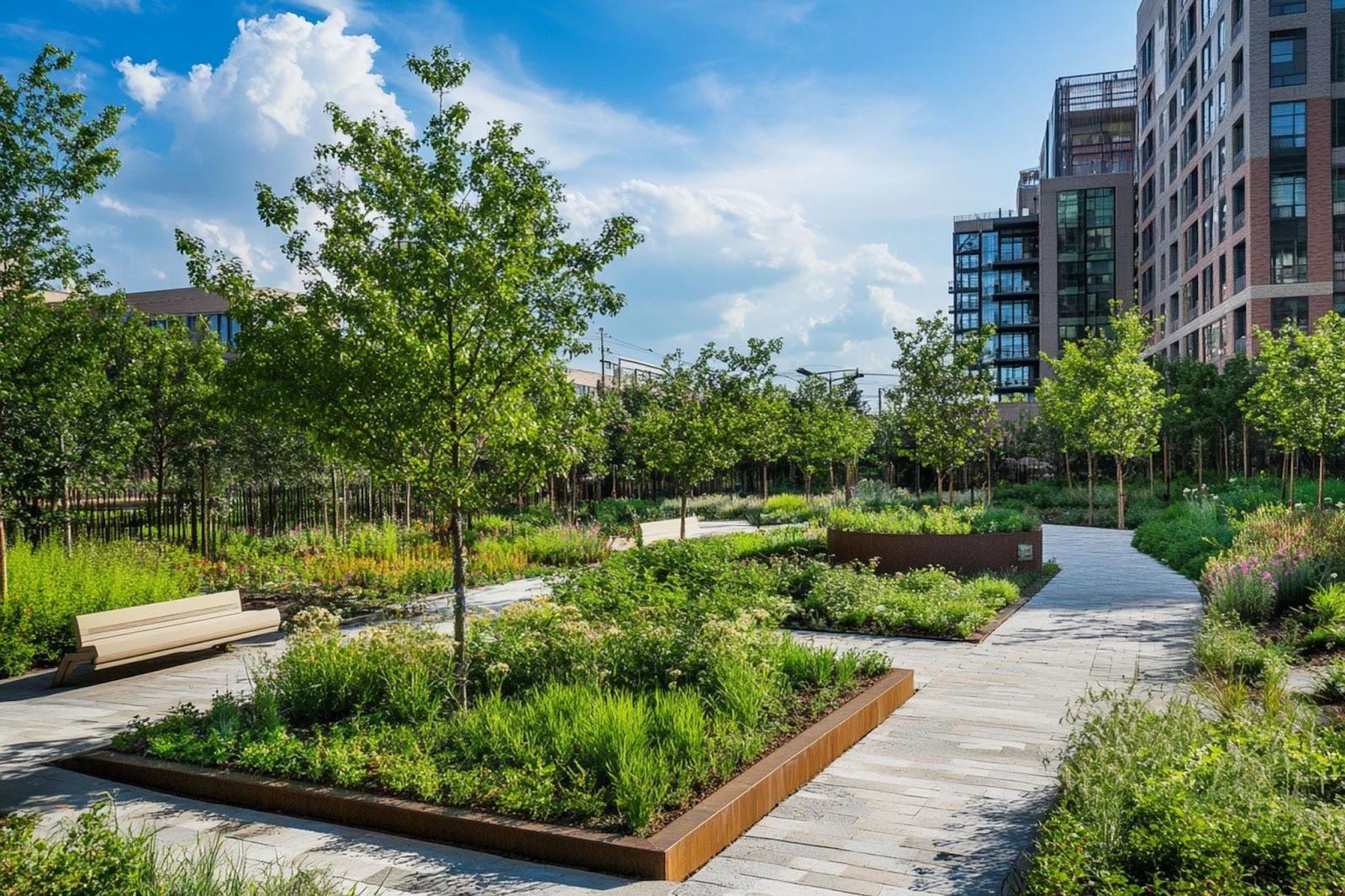
Building mini-forests and urban gardens is just the beginning of transforming our neighborhoods into vibrant green spaces.
To foster community involvement, we can organize awareness campaigns that highlight the importance of green spaces. Hosting events like PARK(ing) Day can engage residents by turning parking spots into temporary parks, encouraging creativity and collaboration.
We should create opportunities for residents to participate in gardening workshops, where they can learn about sustainability and native plants. Collaborating with local schools can also inspire students to get involved, cultivating a sense of ownership.
By promoting these initiatives, we not only beautify our environment but also strengthen community ties, making our neighborhoods healthier and more enjoyable for everyone.
Let’s get started!
The Benefits of Urban Green Spaces for Communities
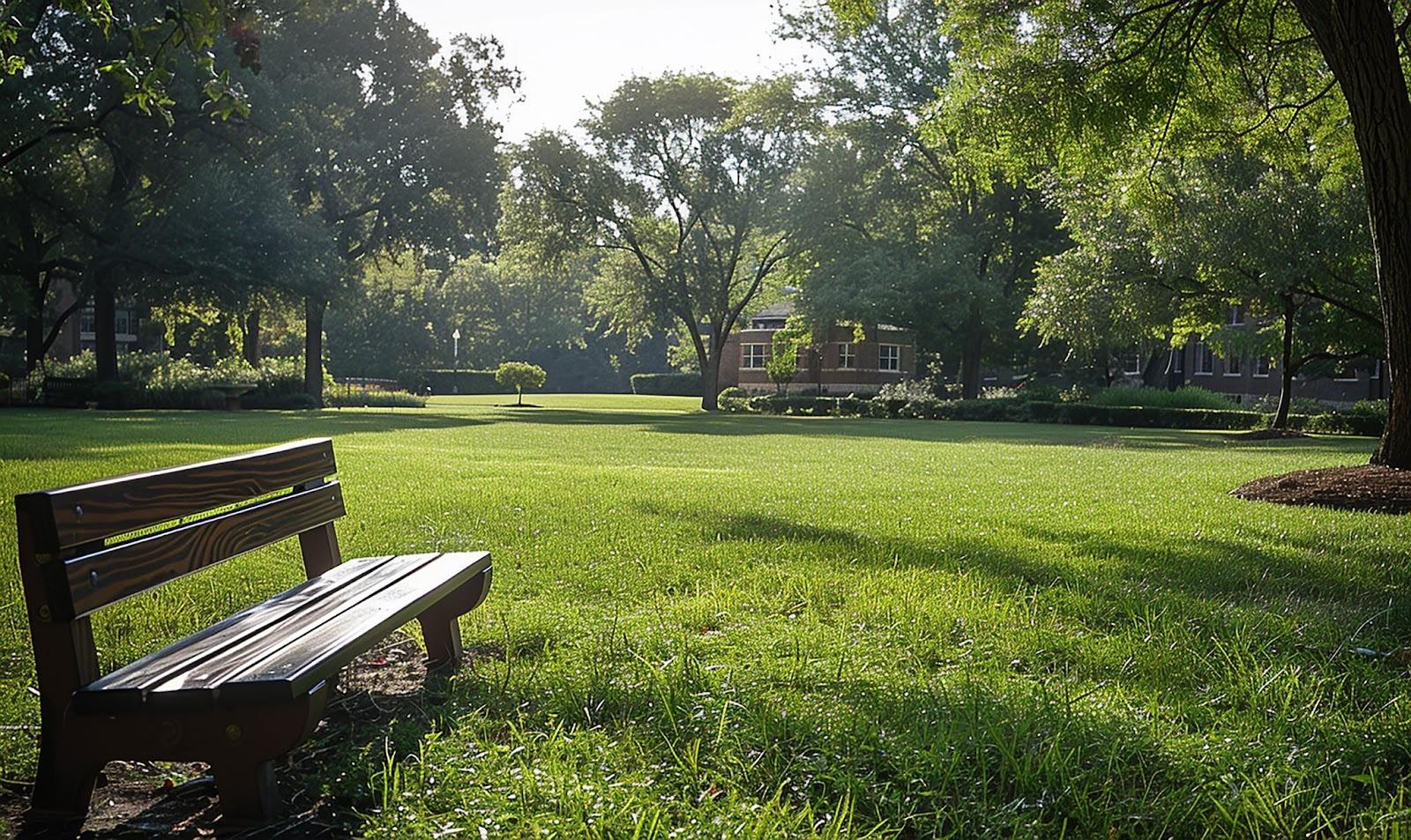
As urban dwellers, we often find ourselves yearning for a connection to nature amidst the concrete jungle. Urban green spaces are essential for our well-being, offering a revitalizing escape and promoting physical activity through walking and exercising.
They greatly enhance our mental health by reducing stress, anxiety, and depression, making us feel more connected and grounded. These spaces also foster social interactions, helping us build relationships with our neighbors.
Additionally, green areas contribute to economic growth by attracting tourists and boosting local businesses. By providing habitats for wildlife, they play a key role in environmental improvement.
Ultimately, urban green spaces enrich our lives, making our communities healthier, happier, and more vibrant.
Helpful Tools for Planning Sustainable Urban Spaces
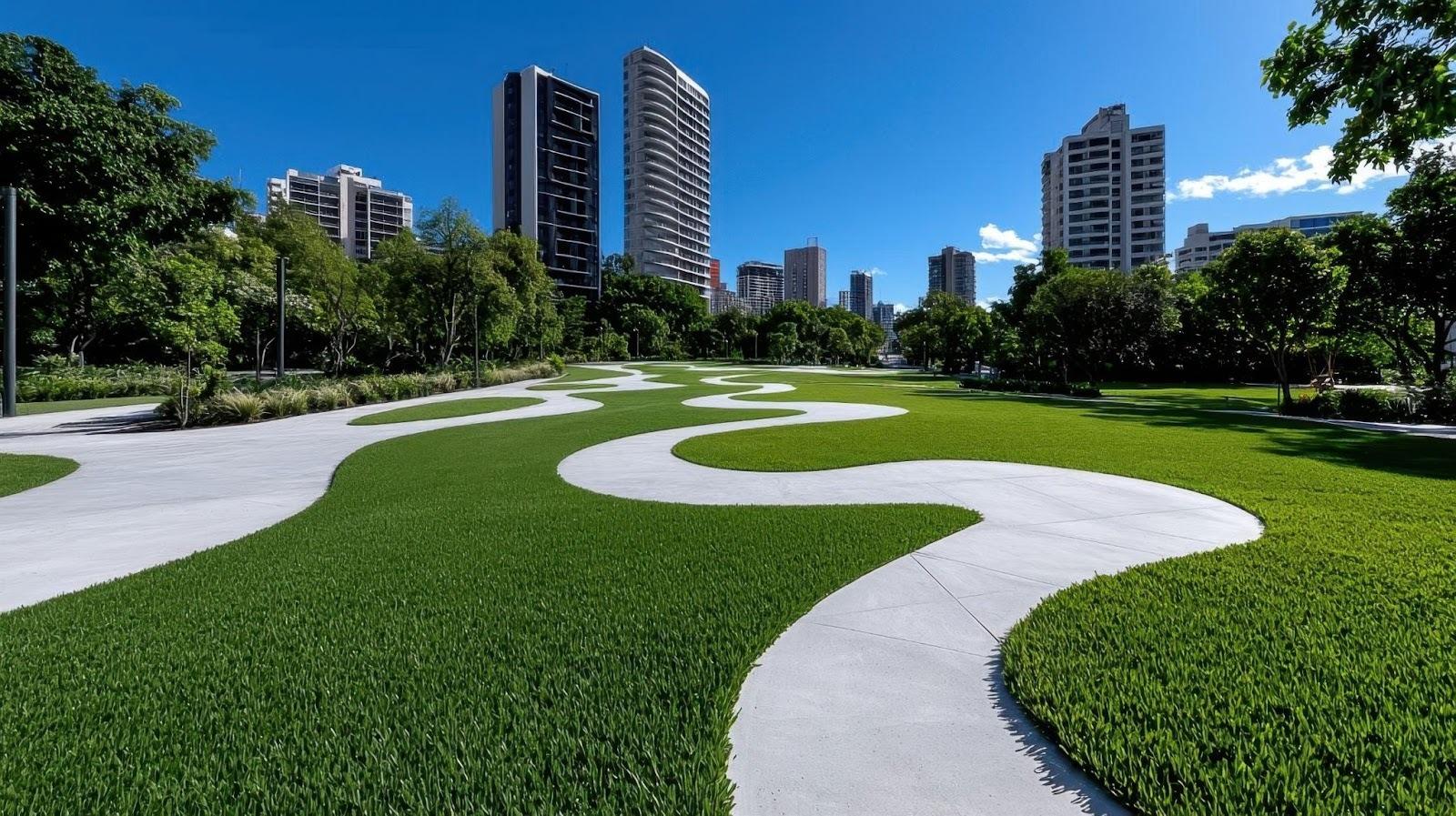
When we consider the future of our urban environments, effective planning tools for sustainable green spaces become vital.
We can start by using the Livability Index to assess our community’s needs and identify areas lacking green spaces. Engaging with local residents through surveys and workshops helps us gather valuable feedback and ideas.
Community partnerships are essential, as they provide resources and guarantee diverse perspectives are included in the planning process.
Additionally, we can explore financing options like Community-Based Public-Private Partnerships to support green infrastructure projects.
Frequently Asked Questions
How Can We Measure the Success of Green Space Initiatives?
We can measure the success of green space initiatives by tracking community engagement, usage rates, biodiversity improvements, and resident satisfaction. Regular surveys and feedback help us understand their impact and guide future enhancements.
What Funding Options Are Available for Creating Urban Green Spaces?
We can explore funding options like grants from environmental organizations, community fundraising, and public-private partnerships. By collaborating with local governments and businesses, we’ll maximize resources for creating vibrant urban green spaces together.
How Do We Maintain Green Spaces Over Time?
To maintain green spaces over time, we’re regularly evaluating plant health, engaging community volunteers, organizing maintenance days, and securing funding for ongoing care. Together, we can guarantee our green areas thrive for everyone.
What Are Common Challenges Faced in Urban Green Space Projects?
We face challenges like limited funding, community engagement, and maintenance issues in urban green space projects. By collaborating and advocating for resources, we can overcome these obstacles and create sustainable green environments for everyone.
How Can Technology Aid in Green Space Planning and Management?
Technology helps us map available land, analyze environmental data, and engage community feedback. We can use apps for planning, monitor growth through drones, and visualize designs, making green space management more efficient and effective.
Conclusion
As we begin this journey to cultivate green spaces in our communities, let’s remember that every small effort counts. By identifying underutilized areas and engaging with our neighbors, we can transform our surroundings into thriving ecosystems. Together, we can enhance our environment, improve our well-being, and create a sense of belonging. So, let’s roll up our sleeves, get inspired, and take action—because a greener, healthier community is within our reach!

 English
 Arabic
 Español
 Português
 Deutsch
 Türkçe
 Dutch
Dutch
 Italiano
 Russian
 Romaian