


Key Considerations When Selecting PVD Optical Coating Equipment
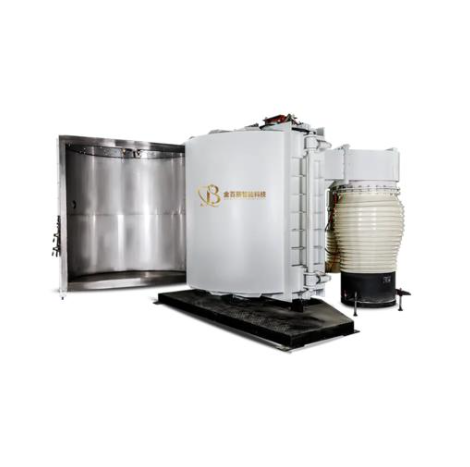
PVD optical coating equipment is widely used in industries that require precise thin-film coatings on optical components. PVD, or Physical Vapor Deposition, is a technique that allows materials to be deposited onto lenses, mirrors, and other optical surfaces to improve durability, reduce reflection, or add functional properties. This equipment plays an essential role in sectors such as electronics, eyewear, and high-precision instrumentation.
Working Principle
PVD optical coating equipment operates by vaporizing a solid material in a vacuum chamber and allowing it to condense onto the surface of the target object. This process forms a uniform and adherent thin film. Depending on the specific application, materials like metals, oxides, or nitrides can be used. The ability to control layer thickness, composition, and uniformity makes PVD optical coating equipment highly versatile for both functional and decorative purposes.
Applications Across Industries
The applications of PVD optical coating equipment are diverse. In the eyewear industry, coatings applied with this equipment can reduce glare, improve scratch resistance, or enhance color properties. In electronics, PVD coatings are used for lenses and sensors to improve performance and reliability. Precision instruments, such as telescopes and cameras, also benefit from coatings applied with PVD optical coating equipment, which enhance light transmission and minimize reflection.
Advantages of PVD Coatings
PVD optical coating equipment offers several advantages over traditional coating methods. The process typically produces coatings with high adhesion and uniform thickness, ensuring consistent performance. It also allows for multilayer coatings, enabling complex optical properties such as anti-reflective or mirror-like finishes. Additionally, PVD processes are environmentally friendly compared to wet chemical alternatives, reducing waste and exposure to hazardous chemicals.
Maintenance and Operational Considerations
Proper maintenance of PVD optical coating equipment is important for consistent results. Regular cleaning of the vacuum chamber, inspection of deposition sources, and calibration of control systems help maintain accuracy and efficiency. Operators should also monitor environmental conditions such as temperature and pressure within the chamber, as these factors can affect coating quality. Routine maintenance extends the lifespan of the equipment and ensures reliable performance over time.
Choosing the Right Equipment
When selecting PVD optical coating equipment, factors such as substrate size, coating material options, and deposition rate should be considered. Some systems offer automation and programmable cycles, which can enhance productivity for high-volume production. Compatibility with existing facilities and the intended type of optical coatings should also guide the choice of equipment.
PVD optical coating equipment provides an effective and versatile solution for applying thin-film coatings to optical components. Its precise control, adaptability, and environmentally friendly process make it suitable for a wide range of industrial and commercial applications. By considering operational requirements, maintenance needs, and specific coating goals, users can select PVD optical coating equipment that meets their production demands and delivers consistent, high-quality results.

 English
 Arabic
 Français
 Español
 Português
 Deutsch
 Dutch
Dutch
 Italiano
 Russian
 Romaian