


How Predictive Maintenance is Transforming Asset Integrity Engineering
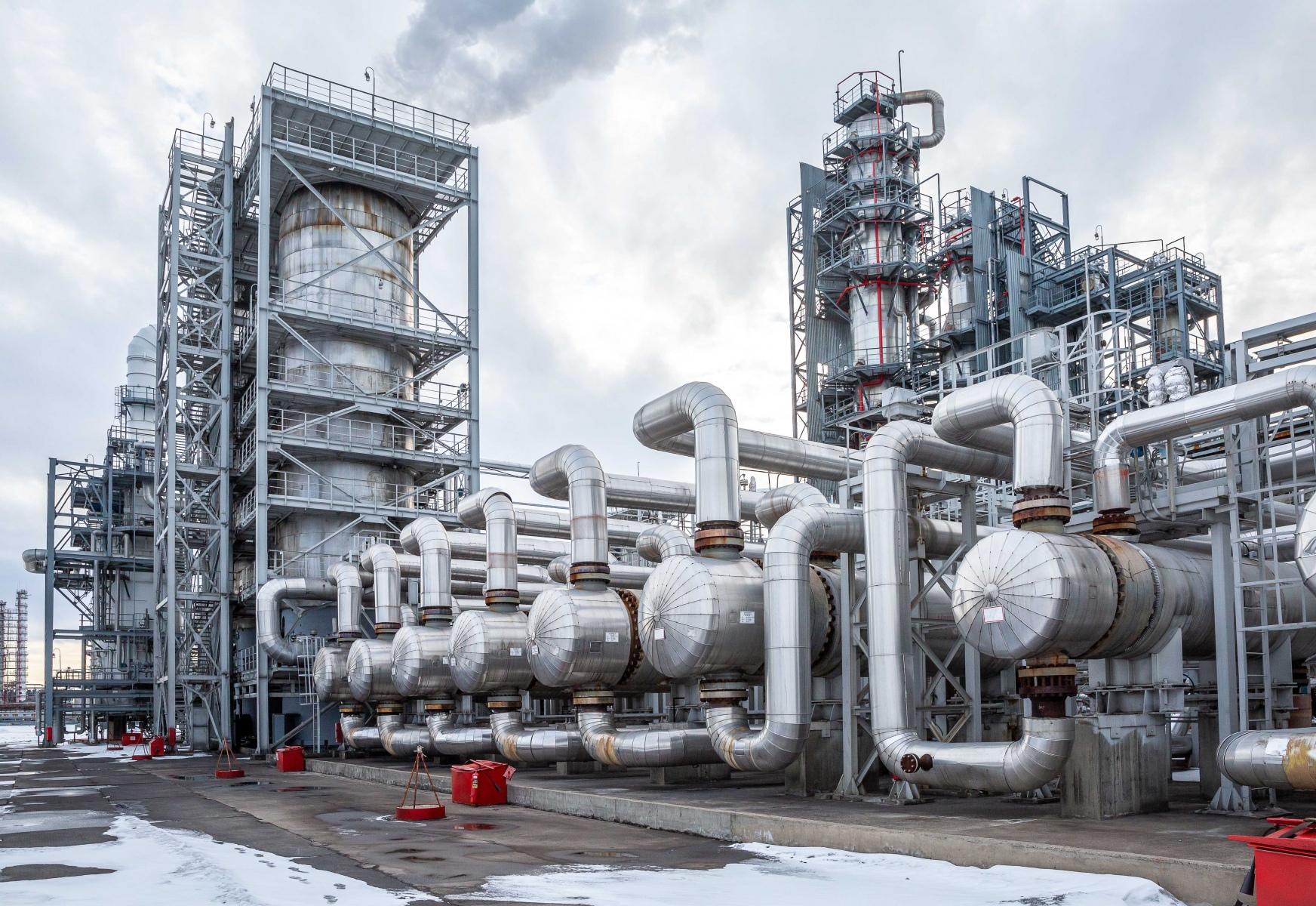
In today's fast-paced industrial world, assuring the safety, dependability, and performance of key assets is more crucial than ever. Industries such as oil and gas, power generation, and manufacturing rely largely on equipment that must function efficiently in harsh environments. Asset Integrity Engineering is critical in this context.
Traditionally, maintenance tactics were either reactive (repairing things when they broke) or preventive (servicing equipment on a regular basis). However, both approaches are limited. Today, predictive maintenance is changing the game by assisting industries in making more informed, data-driven decisions.
What is Predictive Maintenance?
Predictive maintenance is a cutting-edge technique that employs data, sensors, and analytics to monitor the real-time condition of equipment. Maintenance is conducted just when necessary, rather than on a set schedule.
This technique is perfectly aligned with current Asset Integrity Engineering, which focuses on maintaining equipment health while improving performance and costs.
The Transition from Traditional to Predictive Approaches
Companies using traditional maintenance systems frequently faced two primary challenges: unexpected breakdowns or unneeded maintenance. Reactive maintenance resulted in costly downtime, whereas preventive maintenance occasionally involved servicing equipment that was still in good shape.
Predictive maintenance solves these problems by delivering reliable information about equipment condition. This enables Asset Integrity Engineering teams to take action at the appropriate time, avoiding failures and wasting resources.
Real-time Monitoring and Data Insights
The utilization of modern sensors and monitoring systems is a major driving force behind predictive maintenance. These gadgets capture information on characteristics such as temperature, pressure, vibration, and corrosion.
Engineers can use this data to assess asset health in real time. This kind of visibility benefits Asset Integrity Engineering by allowing for faster and more informed decision-making.
For example, if a pipeline exhibits corrosion or unexpected pressure changes, maintenance personnel can fix the problem before it becomes critical.
Reducing Downtime and Operational Costs
Unplanned downtime can be tremendously costly to industries. Equipment failure not only disrupts productivity, but it can also result in costly repairs and safety issues.
Predictive maintenance reduces downtime by detecting possible problems early. This proactive strategy guarantees that maintenance tasks are planned and monitored.
As a result, Asset Integrity Engineering is more efficient, allowing businesses to save money while maintaining high operating standards.
Enhancing Safety and Reliability
Safety is a top responsibility in every industrial setting. Equipment failures can endanger workers, the environment, and the business itself.
Predictive maintenance increases overall safety by finding flaws before they become more severe. It guarantees that equipment runs safely and decreases the risk of mishaps.
This makes predictive maintenance an effective tool for improving Asset Integrity Engineering processes.
Extending Asset Lifespan
Pipelines, pressure vessels, and machinery are all substantial investments. Maximizing their longevity is critical to ensuring long-term profitability.
Predictive maintenance helps to extend asset life by avoiding excessive wear and tear. Rather of running equipment until it fails, it ensures timely interventions that keep assets in peak condition.
This technique contributes to the basic goal of Asset Integrity Engineering, which is to ensure asset reliability throughout its existence.
Supporting Digital Transformation
Industry 4.0 has brought new technologies to the forefront, including the Internet of Things (IoT), artificial intelligence (AI), and machine learning. These technologies form the foundation of predictive maintenance.
By combining these techniques, businesses may automate data analysis, find patterns, and even forecast future failure. This digital shift is changing Asset Integrity Engineering, making it more sophisticated and efficient than ever.
Improving Maintenance Planning
Predictive maintenance enables improved planning and resource allocation. Maintenance teams can schedule repairs during scheduled shutdowns to minimize disturbances to operations.
It also aids in the more effective management of spare parts inventories by allowing businesses to predict what components will be required and when.
This level of planning increases the overall effectiveness of Asset Integrity Engineering projects.
Challenges and Considerations
While predictive maintenance has numerous advantages, it also necessitates investment in technology, training, and data administration. Companies need to guarantee that their systems are properly established and maintained.
However, the long-term benefits—such as cost savings, enhanced safety, and increased dependability—far surpass the initial hurdles.
The Future of Asset Integrity Engineering
As technology advances, predictive maintenance will become much more sophisticated. Industries will obtain a greater understanding of asset performance through improved analytics, smarter sensors, and better integration.
This will boost Asset Integrity Engineering and allow businesses to operate more safely, efficiently, and sustainably.
Conclusion
Predictive maintenance is changing how industries manage their assets. Businesses can increase dependability, cut costs, and improve safety by moving away from reactive and preventive tactics and toward a more intelligent, data-driven strategy.
In today's industrial context, combining predictive maintenance with Asset Integrity Engineering is no longer optional; it is required for long-term profitability and operational excellence.

 English
 Arabic
 Français
 Español
 Português
 Deutsch
 Türkçe
 Dutch
Dutch
 Italiano
 Russian