


Create a Stunning Fashion Portfolio With This Step-By-Step Guide
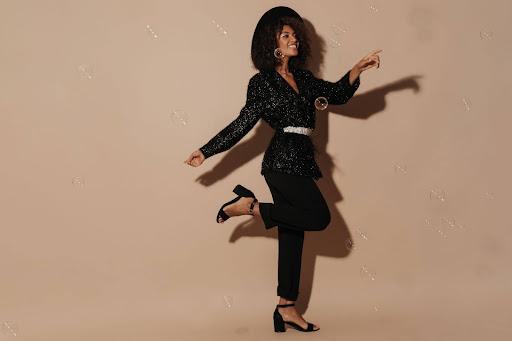
Creating a stunning fashion portfolio starts with understanding its purpose. We should curate our best work, focusing on quality rather than quantity. Highlighting our design process through sketches and mood boards will showcase our creativity. We must decide between a digital or printed format, each with its own benefits. Finally, tailoring our portfolio for specific opportunities helps us stand out. Keep on this journey with us, and we’ll explore each step in detail!
Understand the Purpose of Your Fashion Design Portfolio
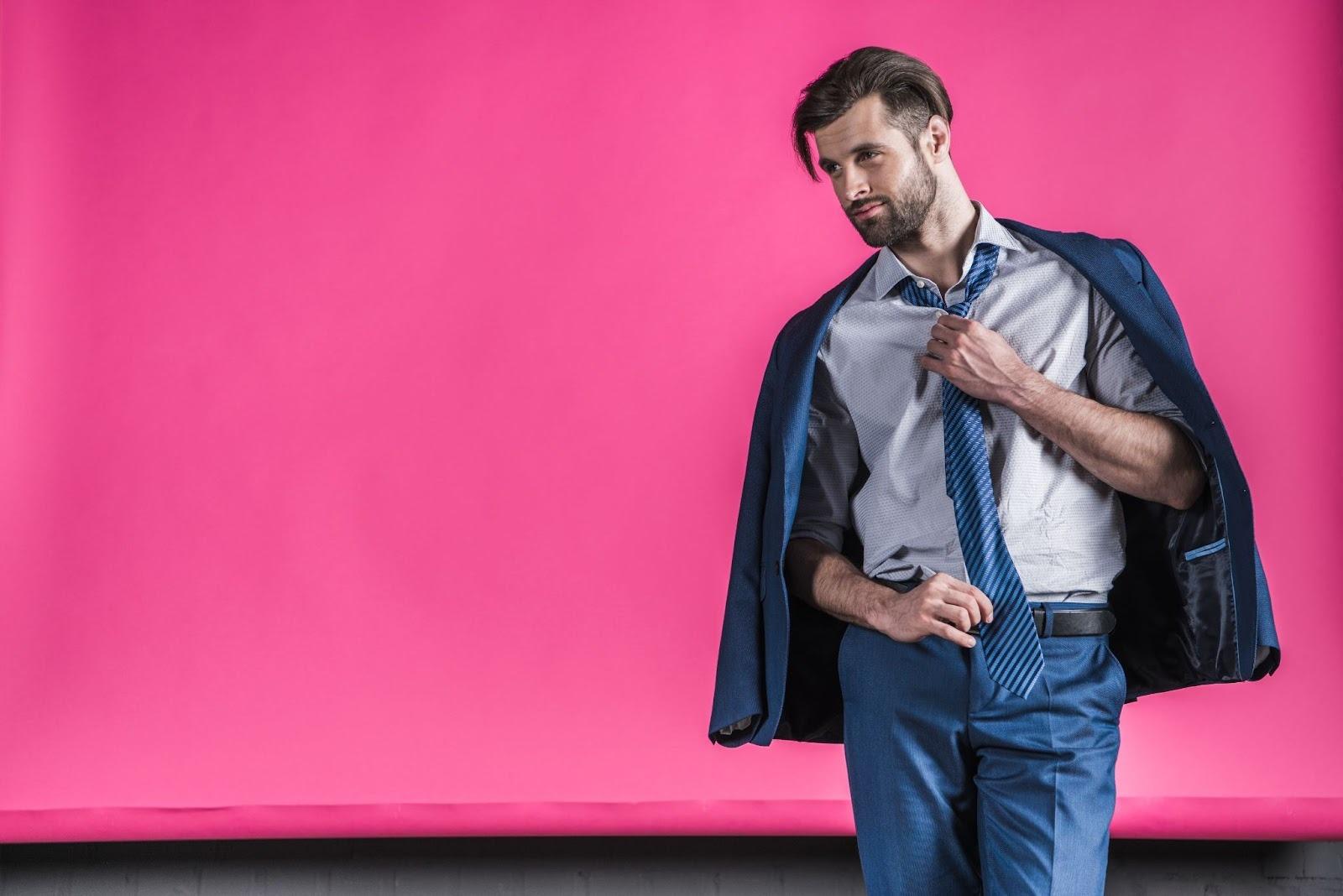
A fashion design portfolio serves as an essential tool for showcasing our creativity and professionalism in the industry.
It’s not just a collection of our work; it’s a curated reflection of our skills and experiences. By effectively communicating our unique vision, we can attract potential clients, employers, and collaborators who resonate with our aesthetic.
Our portfolio defines our personal brand and illustrates our capability to contribute meaningfully to various roles within the fashion world. It allows us to convey our design approach, attention to detail, and understanding of fabrics, all of which are vital in making a striking impression.
Ultimately, a well-crafted portfolio positions us as serious contenders in a competitive market.
Curate Your Best Work (Quality Over Quantity)
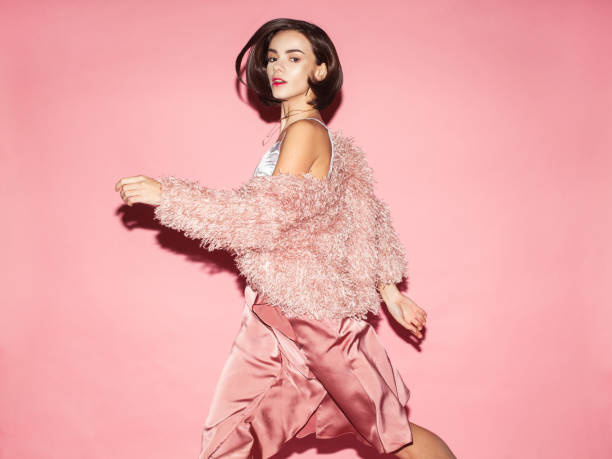
Building on our understanding of how a fashion design portfolio reflects our creativity and professionalism, curating our best work is essential to making a lasting impression.
We should focus on selecting 8 to 12 of our strongest and most thought-provoking designs. This selection allows us to showcase a full range of our skills, from illustrations to garment construction, while prioritizing polished pieces over a large number of average works.
By doing this, we demonstrate our discerning eye and commitment to quality. A well-curated portfolio creates a more impactful impression on potential employers, highlighting our unique vision and ability to contribute effectively in the fashion industry.
Let's aim for quality over quantity in our portfolios.
Highlight Your Design Process

Highlighting our design process is essential for showcasing the depth of our creativity and technical skills. By including sketches, mood boards, and fabric samples, we can illustrate how our ideas evolve from inspiration to finished products.
Presenting these elements alongside our completed designs allows us to demonstrate the challenges we’ve overcome and the thought processes that shaped our work. This behind-the-scenes glimpse not only adds depth but also emphasizes our dedication to craftsmanship.
It’s vital to select projects that best represent our unique design journey, ensuring that each piece conveys our artistic vision. By documenting our creative evolution, we create a compelling narrative that resonates with potential clients and employers alike.
Decide on the Format: Digital Vs Printed Portfolio
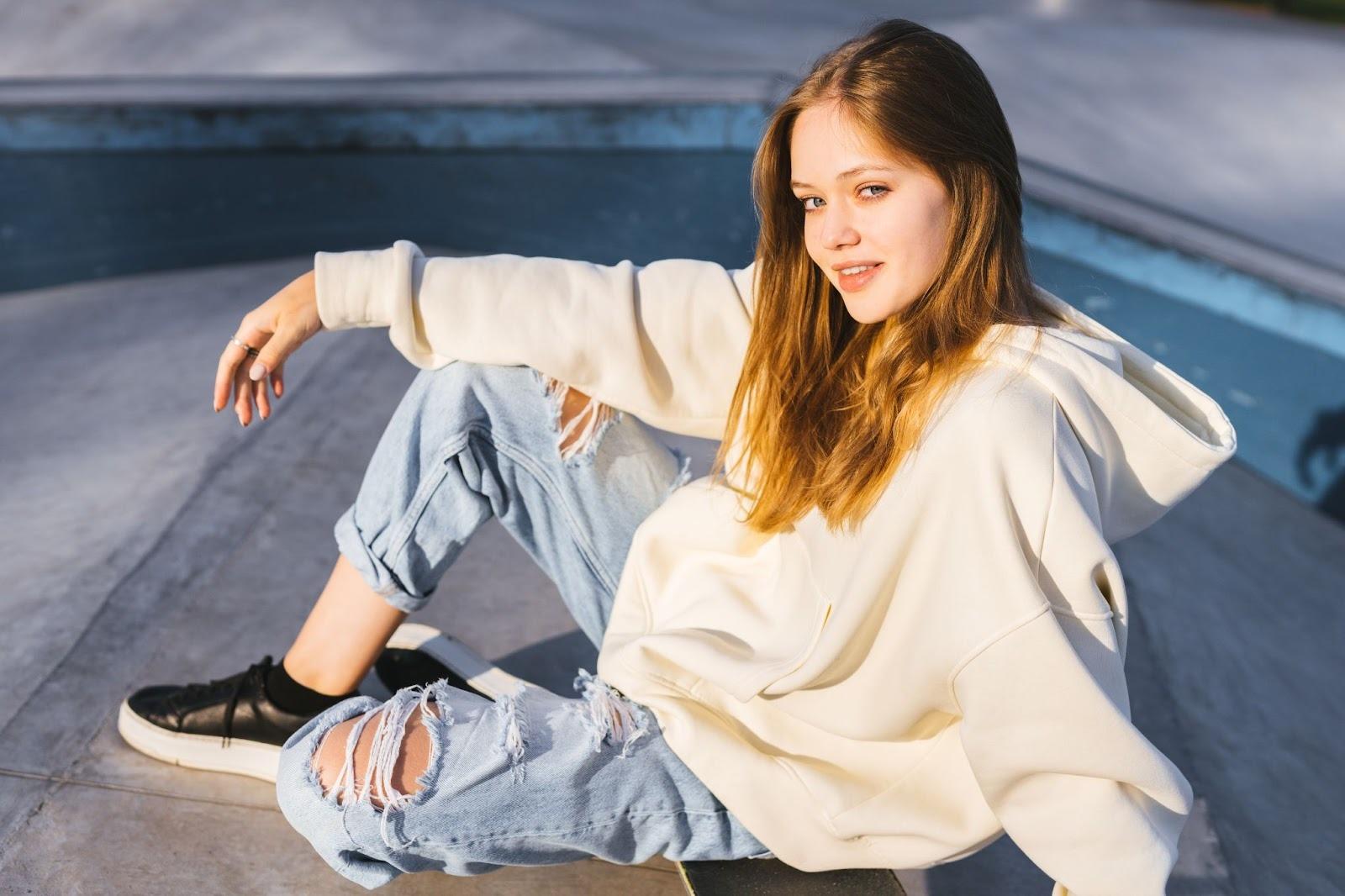
When considering the best way to present our fashion portfolio, should we lean towards a digital format or opt for a printed version? Both options have their benefits.
Digital portfolios offer easy updates and can reach a wider audience, making them cost-effective and accessible. We can showcase our work online anytime, allowing potential clients to view our designs on various devices.
On the other hand, printed portfolios provide a memorable tactile experience during interviews, leaving a lasting impression. However, they can be expensive to produce and challenging to update.
Ultimately, balancing both formats can enhance our presentation, ensuring we highlight our work effectively while catering to different preferences and situations.
Tailor Your Portfolio for Different Opportunities

Tailoring our portfolio for different opportunities allows us to showcase our work in the most relevant light. Instead of relying on a single, generic portfolio, we should customize our content based on specific job roles, internships, or freelance projects.
By focusing on the brands or clients we're targeting, we demonstrate our understanding of their vision and needs. We can maintain multiple tailored versions, highlighting relevant projects and skills that align with each opportunity.
This strategic approach not only enhances our portfolio's impact but also shows our dedication and attention to detail. Let’s guarantee we take the time to adjust our portfolios, making them resonate with the audience we want to impress.
Client Experiences with Maps Studio
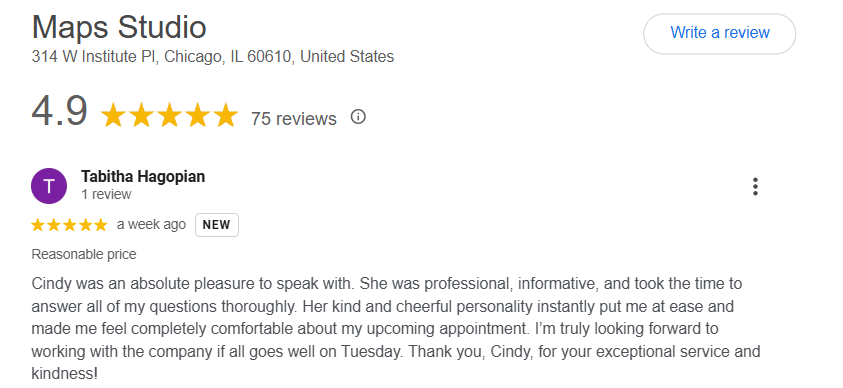
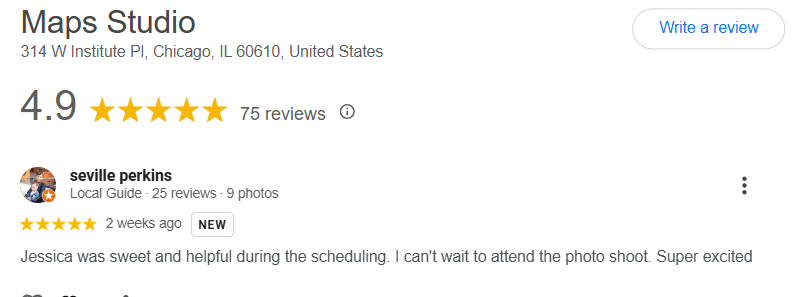
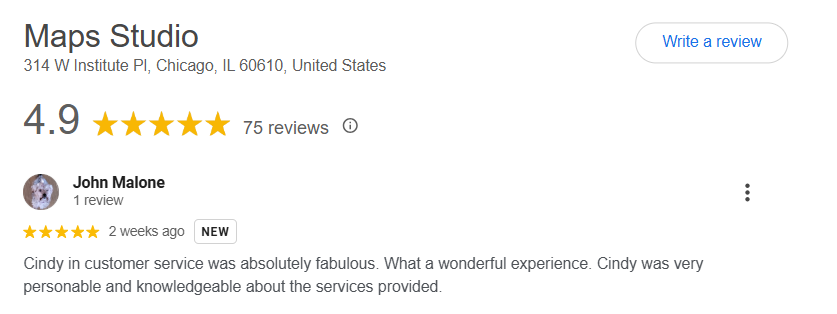
In this section, we will display client reviews from Maps Studio. These screenshots from various platforms, including Google My Business, will show you the positive feedback from models who have worked with us. We aim to help models create stunning portfolios and feel great about their work. Check out what our clients have to say about their experience! For more information, visit Maps Studio.
Frequently Asked Questions
How Can I Effectively Promote My Fashion Portfolio Online?
To effectively promote our fashion portfolio online, we should leverage social media, engage in email marketing, collaborate with influencers, and consistently update our content. Sharing our journey will attract a wider audience and potential clients.
What Common Mistakes Should I Avoid When Creating My Portfolio?
When creating our portfolio, let’s avoid cluttering it with too many pieces, neglecting quality for quantity, or forgetting to showcase our design process. We need to guarantee clarity and relevance to engage our audience effectively.
How Often Should I Update My Fashion Portfolio?
We should update our fashion portfolio regularly, ideally every few months. This keeps our work fresh and relevant, reflecting our latest projects and skills. Staying current helps us attract potential clients and opportunities effectively.
Can I Include Personal Projects in My Portfolio?
Absolutely, we can include personal projects in our portfolio! They showcase our creativity and unique style, demonstrating our passion and versatility. Let’s highlight these works to reflect our diverse talents and design journey effectively.
What Size Images Are Ideal for a Fashion Portfolio?
When selecting image sizes for our fashion portfolio, we should aim for high-resolution images around 300 DPI. This guarantees clarity and vibrancy, making our designs stand out and attract the attention they deserve.
Conclusion
In summary, creating a stunning fashion portfolio is an exciting journey that showcases our unique style and talent. By understanding its purpose, curating our best work, highlighting our design process, and choosing the right format, we can craft a portfolio that truly stands out. Let’s remember to tailor our portfolios for different opportunities, ensuring we connect with potential clients and employers. With these steps, we’re well on our way to making a lasting impression in the fashion industry!
Visit Mapsstudio for more information about photography.
Note: We love sharing creative inspiration, photography tips, and industry insights to help you capture life’s best moments! However, the services, styles, and equipment mentioned in our articles are for informational purposes only and may not reflect our current offerings. For the latest on our photography services and portfolio, visit Maps studio. Let’s create something beautiful together!

 English
 Français
 Español
 Português
 Deutsch
 Türkçe
 Dutch
Dutch
 Italiano
 Russian
 Romaian