


Driver Services Tips for Smooth Commercial Operations
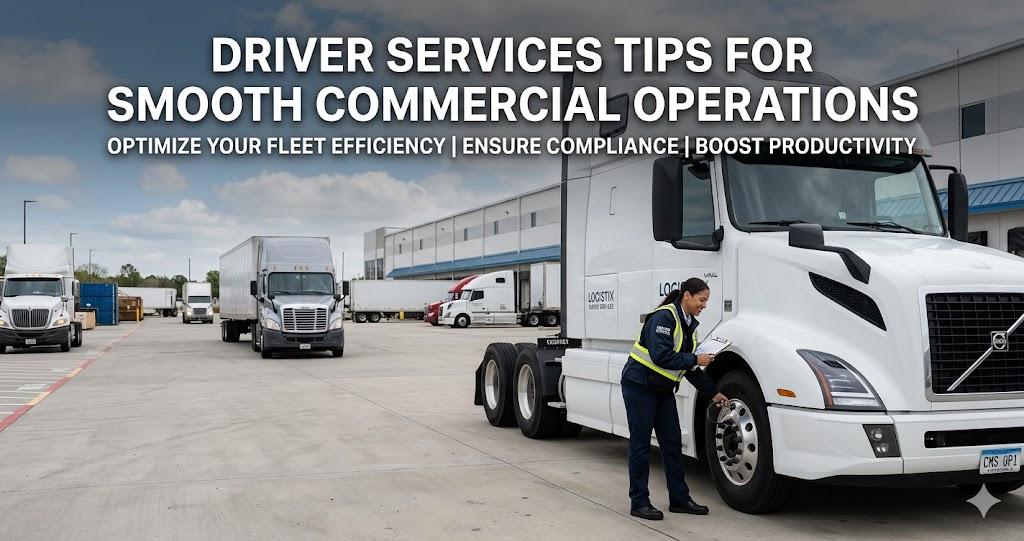
The Canadian supply chain is currently facing a transformative period. Between fluctuating fuel costs and a persistent shortage of qualified operators, logistics and warehouse owners are under immense pressure to maintain uptime. In provinces like British Columbia and Ontario, the gap between available shipments and qualified Class 1 or AZ drivers continues to widen. For business owners, this isn't just a HR headache—it’s a direct threat to the bottom line. Efficient Driver Services have shifted from a "nice-to-have" support function to a critical pillar of commercial stability.
Whether you are managing a fleet for construction and manufacturing or overseeing delicate deliveries for the healthcare sector, your operational rhythm depends on the person behind the wheel. When wheels stop turning, revenue stops flowing. Achieving a smooth workflow requires a tactical blend of proactive compliance, local market expertise, and an agile approach to human capital.
The Strategic Role of Professional Driver Management
Relying on a "post-and-pray" method on general job boards rarely yields the high-caliber talent required for specialized Canadian routes. Professional driver management goes beyond simply filling a seat; it involves vetting for safety records, understanding regional load requirements, and ensuring every operator aligns with your corporate culture.
Proactive Workforce Planning
Waiting for a resignation to start your search is a recipe for operational failure. Successful logistics firms use predictive modeling to anticipate peak seasons. For example, hospitality and event managers often see a surge in transport needs during the summer festival circuit or the winter holiday season. By mapping out these peaks three to six months in advance, you can secure reliable talent before the market tightens.
Compliance and Regulatory Rigor
Navigating the regulatory landscape in Canada requires constant vigilance. From Hours of Service (HOS) regulations to the specific requirements of the Workplace Safety and Insurance Board (WSIB) in Ontario or WorkSafeBC, compliance is non-negotiable. Missing a single certification update can lead to heavy fines or, worse, the grounding of your entire fleet.
Comparing Workforce Models: Which Fits Your Business?
Choosing the right employment structure is the most impactful decision a fleet manager makes. There is no one-size-fits-all answer, as the needs of a corporate office moving sensitive documents differ wildly from a construction site requiring heavy equipment transport.
|
Feature |
In-House Hiring |
Staffing Agency Model |
|
Upfront Cost |
High (Advertising, Screening) |
Low (Fixed fee or markup) |
|
Flexibility |
Rigid (Fixed overhead) |
High (Scale up or down) |
|
Compliance Risk |
Borne by the employer |
Shared with the agency |
|
Speed to Hire |
4–8 weeks |
24–72 hours |
|
Training |
Internal responsibility |
Often pre-vetted/trained |
Temporary vs. Permanent Workforce
Many businesses now opt for a hybrid model. This allows you to maintain a core group of permanent drivers while using temporary staff to handle "overflow" during peak demand. This strategy protects your permanent staff from burnout while keeping your fixed costs manageable during slower months.
Navigating the Vancouver and BC Labour Market
The West Coast presents unique challenges. High cost of living and geographic constraints mean that finding reliable operators in the Lower Mainland requires a hyper-local strategy. If you are struggling to find local talent, partnering with staffing agencies in vancouver provides immediate access to a pre-screened pool of professionals who understand the specific logistics of the Port of Vancouver and the Trans-Canada Highway corridors.
Why Local Expertise Matters
A driver who is an expert in the flat prairies of Alberta might struggle with the mountainous terrain of the Coquihalla. Localized knowledge isn't just about directions; it’s about knowing how weather patterns affect delivery windows and understanding the municipal bylaws of different BC townships.
Industry-Specific Driver Requirements
-
Construction and Manufacturing: Needs drivers with experience in securing oversized loads and navigating active job sites.
-
Healthcare Sector: Requires punctuality and often specialized training for transporting temperature-sensitive medical supplies.
-
Corporate Offices: Often look for professional couriers who can represent the brand during high-stakes deliveries.
Maximizing Productivity Through Driver Retention
Recruitment is only half the battle. In a competitive market like Canada, retaining top-tier talent is where the real cost savings happen. High turnover leads to increased insurance premiums and lost institutional knowledge.
Safety as a Culture, Not a Checklist
Drivers stay where they feel safe and respected. Investing in modern workforce management systems that monitor vehicle health and provide real-time feedback helps operators feel supported rather than policed. Regular safety workshops and ensuring all equipment meets the highest standards are the best ways to show your team that their well-being is a priority.
Fair Compensation and Benefits
While salary is a major factor, Canadian drivers also value predictable schedules and robust health benefits. For many, the ability to return home to their families at the end of a shift is more valuable than a marginal increase in hourly pay. Offering a clear career path—moving from local delivery to long-haul or specialized transport—can also boost long-term loyalty.
Streamlining the Onboarding Process
A chaotic first week is the fastest way to lose a new hire. Ensure your onboarding process is digitized and efficient. This includes clear communication on routes, fuel card procedures, and emergency contact protocols. When a driver feels prepared on day one, they are far more likely to perform at a high level.
Leveraging Modern Recruitment Technology
The days of paper logs and physical resumes are largely behind us. Digital transformation has hit the Canadian staffing industry hard, and those who don't adapt are left behind. Using AI-driven recruitment platforms allows for better matching between a driver’s specific skills and a company’s unique needs.
Data-Driven Hiring
By analyzing historical performance data, companies can identify the traits that lead to long-term success in their specific niche. Does a certain level of experience correlate with fewer accidents in your fleet? Use that data to refine your hiring criteria. This scientific approach reduces "gut-feeling" hires that often end in early resignations.
The Hybrid Staffing Advantage
Smart business owners are increasingly looking for the best staffing agencies to act as an extension of their HR department. This partnership allows internal teams to focus on core operations while the agency handles the heavy lifting of background checks, drug testing, and reference verification.
Understanding the benefits of hiring temporary general labor can provide the necessary cushion for your specialized drivers, allowing them to focus strictly on driving while support staff handle loading and documentation.
FAQ: Common Questions About Commercial Driver Services
How do I verify a driver’s abstract in Canada?
A driver’s abstract is a provincial record of a person's driving history. In provinces like Alberta or Ontario, you can request these through the Ministry of Transportation or equivalent provincial registries. It is vital to check for moving violations, suspensions, and the status of their commercial license (e.g., Class 1, 3, or AZ/DZ) before any job offer is finalized.
What is the difference between a contractor and an employee in logistics?
The CRA (Canada Revenue Agency) looks at the level of control, ownership of tools, and the chance of profit or risk of loss. Generally, if you provide the truck, set the hours, and dictate the routes, the driver is an employee. Misclassifying employees as independent contractors can result in significant back-taxes and penalties.
How often should safety certifications be updated?
While some certifications like TDG (Transportation of Dangerous Goods) have specific expiry dates (usually 3 years), best practices suggest annual refreshers. Regular audits of your drivers' files ensure that no one is operating with an expired ticket, keeping your insurance valid and your operations legal.
How does the Canadian ELD mandate affect temporary drivers?
All commercial drivers, including temporary or agency staff, must comply with the Electronic Logging Device (ELD) mandate. Ensure that your temporary staff are trained on the specific ELD software your fleet uses to avoid roadside inspection violations.
What should I look for in a logistics staffing partner?
Look for an agency that understands the specific provincial laws where you operate. They should have a robust vetting process, clear communication channels, and a proven track record in your specific industry—whether that’s heavy construction or high-touch hospitality logistics.
Future-Proofing Your Operations
The landscape of Canadian commercial transport will continue to evolve as automation and green energy initiatives take hold. However, the need for skilled, reliable human operators remains the constant variable in the success of any logistics-heavy business. By prioritizing safety, leveraging local expertise, and maintaining a flexible staffing model, you can turn your "Driver Services" from a logistical hurdle into a competitive advantage.
Consistency is the hallmark of a great brand. When your customers know their shipments will arrive on time, every time, you build the kind of trust that survives market volatility. Don't let a thin talent pool dictate your growth potential.
ThetaSmart helps Canadian businesses bridge the gap between operational needs and elite talent. Whether you require temporary support for a seasonal surge or a long-term staffing partner to manage your fleet’s growth, our team provides the localized expertise and rigorous vetting required for success in the Canadian market. Reach out today to see how we can streamline your commercial operations.

 English
 Arabic
 Español
 Português
 Deutsch
 Türkçe
 Dutch
Dutch
 Italiano
 Russian
 Romaian