


How Sensory Stuffed Animals Support Emotional Development
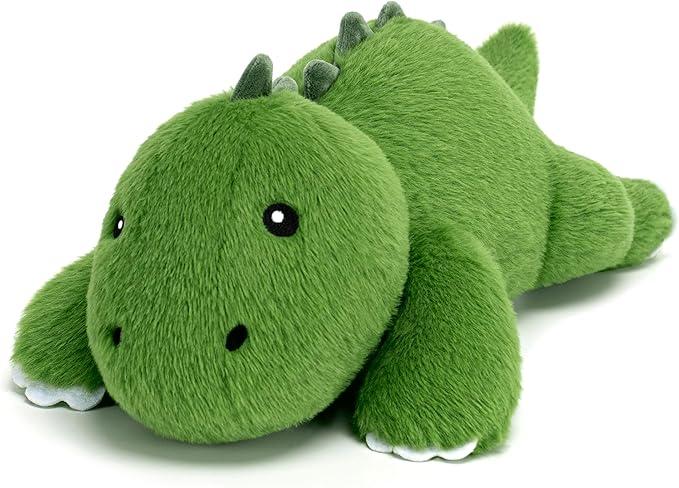
Emotional intelligence begins with the ability to self-regulate. For many children, expressing feelings is difficult, leading to frustration and outbursts. Providing a physical outlet for these emotions can change the dynamic of a household. Tactile tools allow a child to focus their energy on a physical object rather than internal turmoil.
These tools are not just for children with diagnosed conditions. Every human can benefit from the calming effects of soft textures and distributed weight. In a world that is increasingly digital and fast-paced, having something physical to hold onto provides a necessary break for the human nervous system.
The Psychological Impact of Sensory Stuffed Animals
Using sensory stuffed animals as a coping mechanism is a proven way to build emotional resilience. When a person feels overwhelmed, the tactile input from a plush toy provides a "grounding" sensation. This allows the individual to step back from their emotions and process them more logically rather than reactively.
The relationship between touch and mood is profound. Skin-to-plush contact triggers the release of feel-good hormones. This is why many therapists recommend keeping a sensory toy nearby during stressful conversations or transitions. It acts as a silent supporter that helps maintain a sense of equilibrium when things feel out of control.
Building Empathy Through Play
Caring for a plush animal helps children develop empathy. They learn to be gentle and mindful of their "friend," which translates to better social interactions with peers. When that plush also provides sensory feedback, it becomes a partner in the child’s emotional growth and a safe space for their secrets.
Designing for Sensitivity
Not all plush toys are created equal. Sensory-focused designs avoid scratchy tags, hard plastic eyes, or rough seams that could cause irritation. This attention to detail ensures that the experience remains purely positive and calming, even for those with the most sensitive skin or heightened tactile awareness.
Finding Strength in a Weighted Dinosaur Stuffed Animal
There is something inherently brave about a dinosaur. Holding a weighted dinosaur stuffed animal can make a person feel more capable of facing their fears. The physical weight reminds the user of their own strength and presence in the world, which is a powerful psychological tool against the feeling of being small or invisible.
-
Place the dinosaur on the chest to ground breathing exercises.
-
Use the heavy paws to provide pressure to the hands.
-
Lean against the dinosaur while reading to maintain a steady posture.
-
Carry the dinosaur by its heavy tail for a "swinging" sensory input.
Why Weight Matters in Play
Weight provides a sense of reality to a toy. A heavy dinosaur feels more like a living creature than a hollow, air-filled plush. This added realism makes the emotional bond stronger and the therapeutic effects more pronounced, as the body responds to the weight as if it were a real, comforting embrace.
Conclusion
Emotional health is a lifelong journey that requires the right support system. Incorporating sensory tools into your daily life provides a simple yet effective way to manage the ups and downs of modern living. Whether through the heavy comfort of a dinosaur or the soft touch of a plush, you can find the balance you need to thrive.

 English
 Arabic
 Français
 Español
 Português
 Deutsch
 Dutch
Dutch
 Italiano
 Russian
 Romaian