


Currency Cross Rates and Volatility: How to Trade Uncertain Markets
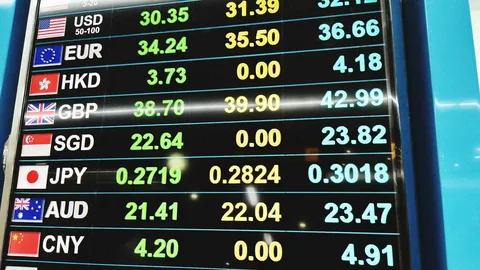
Markets can be wild sometimes. Prices jump, trends reverse, and before you know it, your whole plan goes sideways. If you trade forex, you probably already know this feeling. And if you work with currency cross rates, things get even more interesting because now you're dealing with two currencies that both move on their own.
This article is for traders, analysts, fintech folks, and anyone trying to make sense of volatile forex markets. We'll keep things simple, practical, and honest.
What Are Currency Cross Rates and Why Do They Matter?
currency cross rates is basically the exchange rate between two currencies that doesn't involve the US dollar. So instead of looking at EUR/USD or USD/JPY, you're looking at something like EUR/JPY or GBP/AUD directly.
A lot of traders overlook crosses. They focus on the majors because those feel safer or more familiar. But crosses give you more trading opportunities, especially when the dollar isn't doing much.
Here's why cross rates matter:
-
They reflect the real relationship between two economies
-
They can move faster and more aggressively than major pairs
-
They're useful for diversifying your trading
-
They help you spot opportunities you'd miss otherwise
For example, if you think the Euro is strong but you're not sure about the dollar, trading EUR/GBP or EUR/CHF makes more sense than EUR/USD.
How Volatility Affects Currency Pairs
Volatility is just how much a currency pair moves over a period of time. High volatility means big swings. Low volatility means slow, steady movement.
Why Some Cross Pairs Are More Volatile
Crosses involving currencies from emerging markets or commodity-linked economies tend to move more. Pairs like GBP/JPY or EUR/AUD are known for being volatile. That's both a risk and an opportunity.
A few things drive volatility in crosses:
-
Central bank decisions in both countries involved
-
Economic data releases (GDP, inflation, jobs)
-
Political events or elections
-
Global risk sentiment (when investors panic or relax)
-
Commodity prices (especially for AUD, NZD, CAD)
When two central banks are moving in opposite directions, the cross between their currencies can make big moves. Traders who watch these dynamics carefully can find good setups.
High vs Low Volatility Markets
Trading a volatile pair like GBP/JPY is very different from trading a calm pair like EUR/CHF. In a volatile market, your profits can be bigger but so can your losses. In a low volatility market, things move slowly but you have more predictability.
There's no right or wrong. It comes down to your strategy, your risk tolerance, and honestly, your personality as a trader.
How to Trade Currency Crosses in Uncertain Markets
Uncertain markets are stressful. Prices whip around, news hits fast, and nothing feels clear. But uncertainty doesn't mean you have to stop trading. It means you have to trade smarter.
Use Real-Time Data
This is non-negotiable. When markets are moving fast, you need live prices, not delayed ones. A few seconds can make a big difference in forex.
Platforms like Vunelix give you real-time rates for over 2,000 forex pairs including crosses, heatmaps to see which currencies are strong or weak at a glance, and tools like a currency converter and cross rate tables. It's free, which is always a bonus.
Watch More Than One Currency at a Time
Here's something that helped me a lot when I started trading crosses. Don't just look at the pair you're trading. Look at the individual currencies too.
If you're trading EUR/JPY, check EUR/USD and USD/JPY separately. If the dollar is driving everything, that changes how you read the cross. Sometimes the cross is just a side effect of what's happening with the dollar.
Market heatmaps are great for this. They show you currency strength at a glance so you know which currencies are actually leading and which are just getting dragged along.
Keep Your Position Sizes Smaller
In volatile markets, spreads can widen and prices can spike. If you're trading with the same size you'd use in a calm market, one bad move can hurt a lot more than you expected.
Smaller positions give you more room to breathe. You can hold through a bit of noise without getting stopped out on a temporary spike.
Have Clear Entry and Exit Rules
Don't wing it. Uncertain markets tempt you to make decisions on the fly, but that's usually where things go wrong. Know before you enter:
-
Where you'll cut the trade if it goes against you
-
What you're targeting if it goes your way
-
What news events are coming that could affect your trade
Write it down if you have to. Having a plan stops you from making emotional decisions in the middle of a fast-moving market.
Use Technical Analysis, But Don't Ignore Fundamentals
Charts are useful. Support and resistance, trend lines, moving averages, they all help you find good entry points. But in really uncertain markets, a single fundamental event can blow right through any technical level.
Keep one eye on the chart and one eye on the economic calendar. Know when big data releases are coming. Know what the central banks in both countries have been saying lately.
Common Mistakes When Trading Cross Rates
Even experienced traders make these. It's worth going through them.
Ignoring liquidity. Some crosses have much lower liquidity than majors. That means wider spreads and sometimes big slippage on your orders. Know the liquidity profile of the pair you're trading.
Assuming correlation is always stable. Currency relationships change. A pair that moved together for six months might stop doing that. Don't trade on old patterns without checking if they still hold.
Overcomplicating things. More indicators don't mean better trades. Pick a few things that work for you and stick with them. Complexity usually hurts more than it helps in fast markets.
Not accounting for time zones. Crosses involving Asian currencies like JPY or AUD move most during Asian trading hours. If you're trading from Europe or America, you might miss the best action or get caught in thin, erratic markets.
Tools That Help You Track Cross Rate Movements
Having the right tools makes a big difference. Here's what's actually useful:
Live price feeds. You need real-time data for all major and minor crosses. Not end-of-day, not 15-minute delayed. Live.
Currency strength meters or heatmaps. These show you which currencies are gaining and losing at a glance. Really useful when you're trying to pick the best cross to trade.
Economic calendars. Shows you upcoming data releases and central bank meetings. Essential for avoiding getting blindsided by news.
Historical data. Looking at how a pair behaved in past periods of high volatility gives you context. Vunelix has over 30 years of historical data for currencies, which is a solid resource for this kind of research.
Screeners. These help you filter pairs based on movement, volatility, or other criteria. Saves time instead of manually checking dozens of pairs.
Practical Tips for Uncertain Times
Here are some straightforward things that work:
-
Trade during high-liquidity hours. Avoid the first and last hour of a session if volatility is extreme.
-
Reduce your watchlist. In chaotic markets, fewer pairs means better focus.
-
If you don't understand why the market is moving, don't trade. Sit on your hands and watch.
-
Check what's happening with the dollar even if you're trading a cross. The dollar often sets the tone for everything.
-
Use alerts. Set price alerts on key levels so you don't have to stare at the screen all day.
Who Should Trade Currency Crosses?
Honestly, crosses are for traders who already understand the basics of forex. If you're new to trading, start with the major pairs and get comfortable with those first.
For experienced traders, crosses open up a lot more opportunity. You're not limited to six or seven major pairs. You have dozens of interesting setups available at any given time.
Financial analysts and researchers also find cross rate data useful for understanding global trade flows, economic relationships between countries, and policy divergence between central banks. It's not just a trading tool. It's an economic tool.
Conclusion
Trading with forex cross rates in volatile markets is not easy. But it's also not as complicated as some people make it out to be. You need real-time data, a clear plan, proper risk management, and the patience to wait for the right setups.
Currency cross rates give you more flexibility and more opportunity than sticking to only the major pairs. The key is understanding what's driving each currency and using tools that actually help you see what's going on.
If you're looking for a free platform to track cross rate movements, heatmaps, and real-time forex data, check out Vunelix. It won't trade for you, but it'll make sure you're never working with outdated information.
Markets will always have uncertain periods. The traders who survive and grow through those periods are the ones who stay disciplined and stay informed.
Frequently Asked Questions
What is a currency cross rate?
A currency cross rate is the exchange rate between two currencies where neither is the US dollar. For example, EUR/GBP or AUD/JPY are cross rates. They show you the direct value of one currency against another without going through the dollar first.
Are cross rates more volatile than major pairs?
Some of them are, yes. Pairs like GBP/JPY or EUR/AUD tend to have wider daily ranges than something like EUR/USD. This is because you're combining the volatility of two individual currencies. That makes them riskier but also more interesting for traders who know what they're doing.
How do I find reliable real-time cross rate data?
You want a platform that pulls data from multiple sources and updates in real-time. Vunelix.com provides live cross rate data for over 2,000 forex pairs, sourced from leading financial institutions and market data providers around the world.
Can beginners trade currency crosses?
It's better to get comfortable with major pairs first. Crosses can move fast and sometimes have lower liquidity, which makes them harder to manage if you're new to forex. Once you understand how individual currencies behave, crosses become much easier to analyze and trade.
What's the best way to manage risk when trading crosses in volatile markets?
Use smaller position sizes than usual. Set clear stop-loss levels before entering any trade. Avoid trading around major news releases unless you have a specific strategy for it. And always know what economic events are scheduled for both currencies in the pair you're trading.
How does dollar strength affect currency crosses?
Even though crosses don't include the dollar directly, the dollar still influences them. If the dollar is very strong, it often puts pressure on currencies like the Euro or Pound, which then affects crosses involving those currencies. Watching the dollar alongside your cross pair gives you better context for why things are moving.
Where can I learn more about forex market data and analytics?
Vunelix.com is a good starting point. It's a free platform built for traders, analysts, and researchers who want to monitor global markets. It covers forex, stocks, and crypto, and includes tools like heatmaps, screeners, and an advanced currency converter.

 English
 Arabic
 Français
 Español
 Português
 Deutsch
 Türkçe
 Dutch
Dutch
 Italiano
 Russian