


Mini Split Systems Guide for Energy-Efficient Homes in Chester County, PA
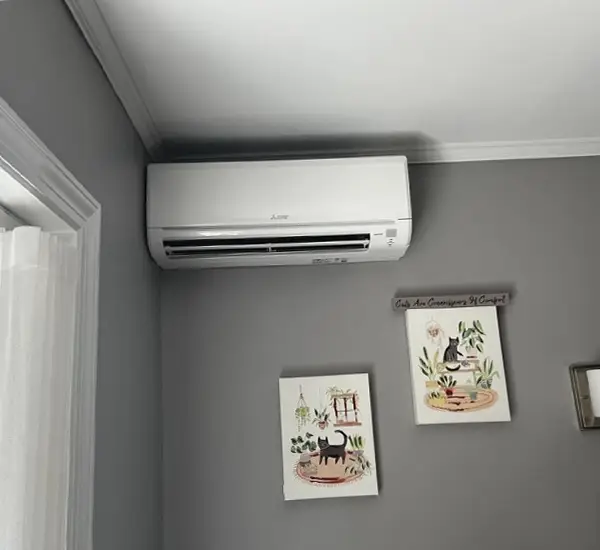
As homeowners in Chester County, PA continue to prioritize energy efficiency, comfort, and cost savings, Mini Split Systems have emerged as a popular HVAC solution. Whether you're upgrading an older home, adding a new space, or simply looking to reduce your energy bills, mini split systems offer a flexible and efficient alternative to traditional heating and cooling systems.
In this comprehensive guide, we’ll explore what mini split systems are, how they work, their benefits, and why they are especially well-suited for homes in Chester County.
What Are Mini Split Systems?
Mini Split Systems—also known as ductless HVAC systems—are heating and cooling units that do not require ductwork. They consist of two main components:
- An outdoor compressor/condenser
- One or more indoor air-handling units
These components are connected by a small conduit that houses the power cable, refrigerant tubing, and a condensate drain.
Unlike traditional HVAC systems that rely on ducts to distribute air, mini splits deliver air directly into different zones of your home. This makes them highly efficient and customizable.
Why Mini Split Systems Are Ideal for Chester County Homes
Chester County experiences a range of seasonal temperatures—from hot, humid summers to cold winters. This makes efficient climate control essential. Mini Split Systems are particularly well-suited for this region due to their adaptability and energy-saving capabilities.
1. Zoned Heating and Cooling
One of the standout features of mini split systems is zoning. You can control the temperature in individual rooms or areas independently. This is perfect for:
- Older homes with inconsistent insulation
- Finished basements or attics
- Home additions or sunrooms
By only heating or cooling the spaces you use, you can significantly reduce energy consumption.
2. Energy Efficiency
Mini Split Systems are known for their high Seasonal Energy Efficiency Ratio (SEER) ratings. Since they don’t rely on ductwork, they avoid the energy losses typically associated with ducts—sometimes as much as 30%.
Additionally, many models use inverter technology, which adjusts the compressor speed based on demand rather than turning on and off repeatedly. This results in:
- Lower electricity bills
- More consistent indoor temperatures
- Reduced wear and tear on the system
3. Easy Installation
Installing traditional HVAC systems can be invasive and costly, especially in older Chester County homes that lack existing ductwork. Mini splits require only a small hole in the wall for the conduit, making installation:
- Faster
- Less disruptive
- More cost-effective
4. Improved Indoor Air Quality
Ductless systems reduce the risk of dust, allergens, and pollutants accumulating in ducts. Many Mini Split Systems also come with advanced filtration options, helping to improve indoor air quality—an important consideration for families with allergies or respiratory concerns.
Types of Mini Split Systems
There are several types of mini split systems available, allowing homeowners to choose a setup that best fits their needs:
Single-Zone Systems
Ideal for heating or cooling a single room or area, such as a garage conversion or home office.
Multi-Zone Systems
These systems connect multiple indoor units to one outdoor unit, allowing you to control temperatures in different rooms independently.
Wall-Mounted Units
The most common type, mounted high on a wall for optimal airflow.
Ceiling Cassette Units
Installed in the ceiling, these units are less visible and distribute air evenly.
Floor-Mounted Units
Perfect for rooms with limited wall space or sloped ceilings.
Cost Considerations
While the upfront cost of Mini Split Systems can be higher than traditional window units or baseboard heating, the long-term savings often outweigh the initial investment.
Factors Affecting Cost:
- Number of indoor units
- System size and capacity
- Installation complexity
- Brand and features
Potential Savings:
- Lower monthly energy bills
- Reduced maintenance costs
- Eligibility for energy rebates or tax incentives
In Pennsylvania, homeowners may qualify for local utility rebates or federal tax credits when installing energy-efficient systems.
Maintenance Tips for Longevity
To ensure your mini split system operates efficiently for years to come, regular maintenance is essential.
Basic Maintenance Tasks:
- Clean or replace filters every 1–2 months
- Keep outdoor units free of debris
- Inspect refrigerant lines for leaks
- Schedule professional maintenance annually
Proper care not only extends the life of your system but also maintains its energy efficiency.
Environmental Benefits
For eco-conscious homeowners in Chester County, Mini Split Systems are an excellent choice. Their energy efficiency translates to:
- Reduced carbon footprint
- Lower greenhouse gas emissions
- Less reliance on fossil fuels
Many systems are also compatible with renewable energy sources like solar panels, further enhancing their environmental benefits.
Is a Mini Split System Right for Your Home?
Mini split systems are particularly beneficial if you:
- Live in an older home without ductwork
- Want to add climate control to a specific area
- Are looking to reduce energy consumption
- Prefer customizable temperature settings
However, they may not be ideal for every situation. Larger homes may require multiple units, which can increase costs. Consulting with a local HVAC professional can help determine the best solution for your needs.
Choosing the Right Installer in Chester County
Selecting a qualified HVAC contractor is crucial for maximizing the performance of your system. Look for:
- Licensed and insured professionals
- Experience with ductless systems
- Positive customer reviews
- Transparent pricing
A proper installation ensures optimal efficiency, safety, and longevity of your Mini Split Systems.
Conclusion
As energy efficiency becomes a top priority for homeowners in Chester County, PA, Mini Split Systems offer a smart, flexible, and cost-effective solution. With benefits like zoned temperature control, easy installation, and improved air quality, these systems are transforming how homes are heated and cooled.
Whether you're renovating an older property or simply looking to upgrade your current HVAC setup, mini split systems provide a modern approach to home comfort—without the energy waste of traditional systems.
FAQs
1. How long do Mini Split Systems last?
Most Mini Split Systems have a lifespan of 15 to 20 years with proper maintenance. Regular cleaning and annual servicing can help extend their longevity.
2. Are Mini Split Systems suitable for cold climates like Pennsylvania winters?
Yes, many modern mini split systems are designed to perform efficiently even in cold temperatures. Look for models specifically rated for low ambient conditions.
3. Do Mini Split Systems increase home value?
Installing energy-efficient systems like mini splits can enhance your home’s value, especially among buyers looking for modern, cost-saving features.

 Arabic
 Français
 Español
 Português
 Deutsch
 Türkçe
 Dutch
Dutch
 Italiano
 Russian
 Romaian