


Why Speed + Cost Will Decide the Winning Blockchain
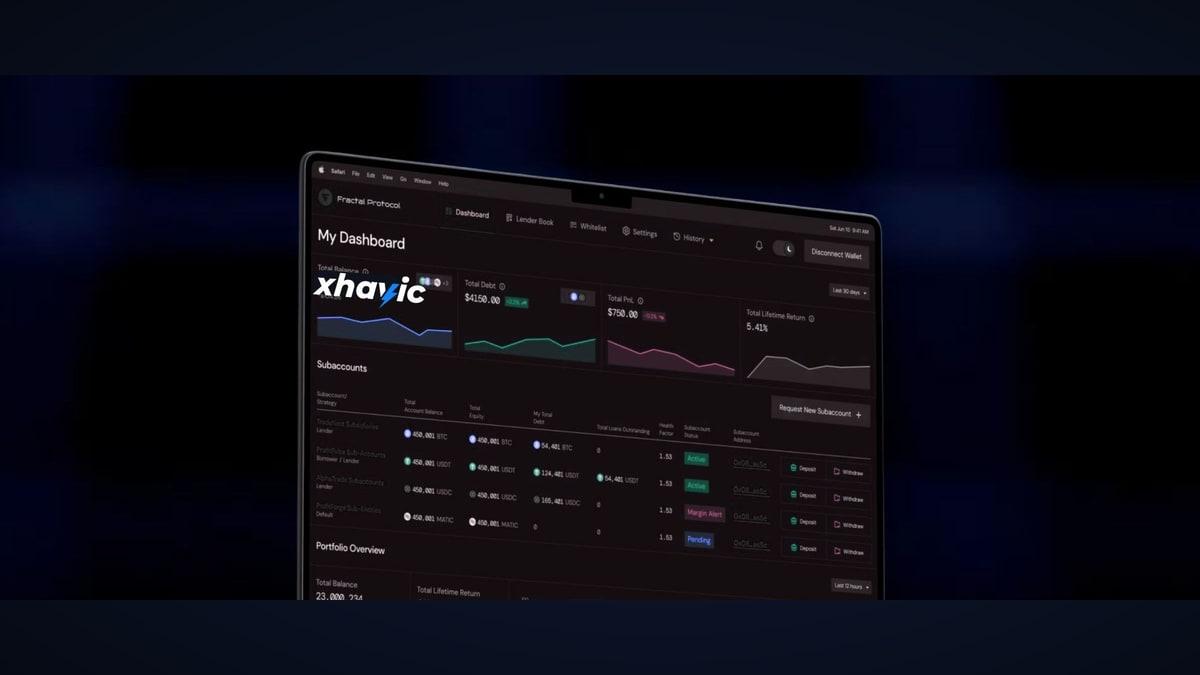
In 2026, blockchain is entering a phase where competition is no longer driven only by narratives. In earlier years, blockchains competed on decentralization, ideology, community size, and token speculation. But today, as blockchain adoption moves toward real-world usage, the industry is being shaped by a much more practical reality: users only care about speed and cost.
If blockchain is to become a global infrastructure for payments, trading, gaming, AI automation, and enterprise systems, it must compete directly with Web2 technology. People are used to instant transactions, fast apps, and low costs. They will not accept a system that is slower, more expensive, and more complex than traditional alternatives.
This is why speed and cost are becoming the two most important factors deciding which blockchain will dominate the next era.
Blockchain is Competing With Web2
The biggest mistake many blockchain communities make is assuming that blockchain competes only with other blockchains. In reality, blockchain competes with:
-
Visa and Mastercard networks
-
PayPal and Stripe
-
centralized exchanges
-
cloud infrastructure (AWS, Google Cloud)
-
fintech apps and digital banking
These systems are fast, cheap, and user-friendly. Blockchain cannot win global adoption unless it matches or exceeds this standard.
Speed Defines User Experience
Speed is not just a technical metric—it defines how a blockchain feels.
A user does not care if a chain is decentralized if they have to wait 30 seconds for a payment confirmation. A trader does not care about ideology if their transaction gets delayed and they lose profit. A gamer will not use blockchain if every in-game action requires waiting for block confirmation.
Speed enables real-world use cases such as:
-
instant payments
-
real-time DeFi trading
-
gaming economies
-
social media dApps
-
AI-driven automation
Without speed, blockchain remains a niche tool for long-term settlement, not a mainstream technology.
Cost Determines Whether Adoption is Possible
Cost is the second major factor. Even if a blockchain is fast, it cannot scale adoption if transaction fees are too high.
Ethereum Layer-1 is a perfect example. Ethereum is the most secure and trusted blockchain, but gas fees often become too expensive for everyday users. If users must pay $5 to swap tokens or $10 to mint an NFT, mainstream adoption becomes impossible.
Low fees are essential for:
-
microtransactions
-
retail payments
-
subscription billing
-
high-frequency DeFi strategies
-
AI-based contract execution
The blockchains that can maintain transaction fees under $0.10 will dominate consumer adoption.
Why Ethereum is Becoming a Settlement Layer
Ethereum is still the foundation of crypto, but it is evolving into a settlement chain rather than an execution chain. This is not a weakness—it is a natural evolution.
Ethereum provides the strongest security guarantees, but it cannot provide low cost and high speed at global scale. That is why Layer-2 execution networks are becoming the future.
Ethereum will remain the trust base, but execution will move to scalable systems built on top of it.
Xhavic Represents the Future Winning Model
Xhavic is one of the strongest examples of how speed and cost will decide the future. It is built as an Ethereum-aligned Layer-2 execution network that focuses specifically on performance.
By separating execution from settlement, Xhavic enables:
-
low fees around $0.04
-
high throughput (2000+ TPS)
-
low latency (~200ms)
-
fast finality (2–5 seconds)
This model is powerful because it delivers the two most important things users demand: speed and affordability, while still anchoring trust to Ethereum.
The Winning Blockchain Will Be the One People Can Actually Use
In the end, blockchain adoption is not decided by marketing or ideology. It is decided by usability.
The winning blockchain in 2026 and beyond will be the one that:
-
feels instant
-
costs almost nothing per transaction
-
supports millions of users
-
remains secure and verifiable
-
integrates with stablecoins and DeFi liquidity
This is why speed and cost will decide the future. Blockchains that cannot deliver these will remain niche. Blockchains that can deliver them—especially those aligned with Ethereum security like Xhavic—will become the dominant infrastructure powering global Web3 adoption.
Conclusion
In 2026, blockchain is moving beyond speculation into real-world competition. The market is demanding performance and affordability. Users want instant confirmations and near-zero fees. Developers want scalable infrastructure that supports high-frequency applications.
Speed and cost are no longer optional—they are the defining factors of success. Ethereum remains the foundation of trust, but Layer-2 execution networks like Xhavic.com represent the future of adoption. The blockchain that wins will not be the one with the loudest community, but the one that delivers the best user experience at the lowest cost.

 English
 Arabic
 Français
 Español
 Português
 Deutsch
 Türkçe
 Dutch
Dutch
 Italiano
 Russian