


Why an End Mill Cutter Is a Must-Have Tool for CNC Operators
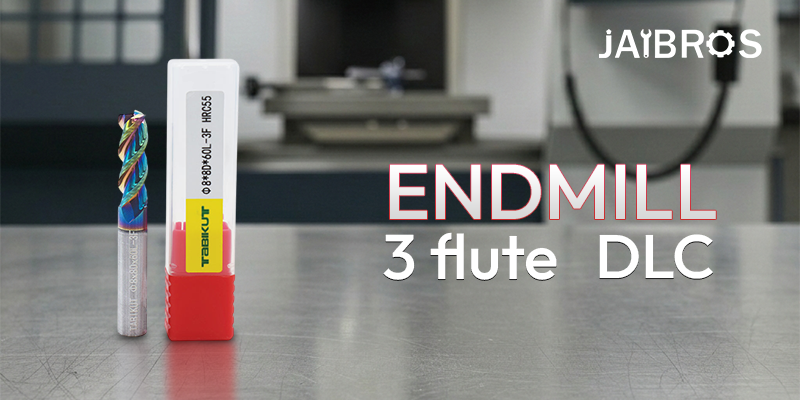
Discover why an end mill cutter is a must-have tool for CNC operators. Learn how it improves precision, efficiency, and machining performance.
Why an End Mill Cutter Is Essential for CNC Operators
CNC machining has transformed modern manufacturing by enabling industries to produce highly precise components efficiently and consistently. From automotive parts to aerospace components and medical devices, CNC machines play a vital role in shaping raw materials into functional products. However, the performance of these machines largely depends on the cutting tools used during the machining process.
One of the most important tools in CNC milling operations is the end mill cutter. This versatile tool is designed to cut, shape, slot, and profile materials with exceptional precision. Unlike traditional drill bits that mainly create holes, milling tools can perform multiple cutting operations, making them essential for complex machining tasks.
For CNC operators, choosing the right cutting tool is crucial for achieving high-quality results and maintaining productivity. The end mill cutter has become a preferred choice for machinists because it offers flexibility, accuracy, and durability across various machining applications.
Understanding the Role of Milling Tools in CNC Machining
In CNC machining, cutting tools remove material from a workpiece to achieve the desired shape and dimensions. These tools must be strong enough to handle high cutting speeds, intense pressure, and heat generated during machining.
The end mill cutter is specifically designed for milling operations. It can cut in different directions and perform tasks such as slotting, profiling, contouring, and finishing. Because of this versatility, it is widely used in manufacturing environments where precision and productivity are essential.
A high-quality CNC tool ensures that machining processes run smoothly and produce consistent results. Operators rely on reliable cutting tools to maintain accuracy while minimizing tool wear and downtime.
Versatility in Machining Applications
One of the biggest reasons CNC operators rely on the end mill cutter is its versatility. This cutting tool can perform multiple machining operations using a single setup, which improves efficiency and reduces tool changes.
Milling tools can be used to machine various materials, including aluminum, steel, stainless steel, and plastics. Depending on the material and machining requirements, operators can select from different types of endmills designed for specific tasks.
Common milling operations performed using these tools include:
-
Slot milling
-
Face milling
-
Profile milling
-
Contour cutting
-
Pocket milling
Because of their versatility, these tools are commonly used in industries such as aerospace, automotive, mold manufacturing, and general engineering.
High Precision and Accuracy
Precision is one of the most important factors in CNC machining. Many components require extremely tight tolerances, especially in industries like aerospace and medical manufacturing.
The end mill cutter allows machinists to achieve accurate dimensions and smooth finishes when used with the correct machining parameters. Advanced CNC machines combined with high-quality cutting tools make it possible to produce complex parts with remarkable accuracy.
In addition, modern carbide endmills provide superior rigidity and cutting performance, which helps maintain precision even at high cutting speeds. Carbide tools are also known for their excellent wear resistance, making them ideal for demanding machining applications.
Durability and Long Tool Life
Another reason CNC operators prefer advanced milling tools is their durability. Machining operations generate high temperatures and cutting forces, which can quickly wear out low-quality tools.
High-performance carbide endmills are designed to withstand these harsh machining conditions. Their hardness and heat resistance allow them to maintain sharp cutting edges for longer periods.
Longer tool life means fewer tool replacements and reduced production downtime. This not only saves time but also lowers operational costs in manufacturing facilities.
For businesses aiming to increase productivity, investing in durable cutting tools is a smart decision.
Availability of Different Tool Designs
CNC machining often requires different tool designs depending on the workpiece geometry and machining operation. For this reason, manufacturers produce various types of end mills to meet different machining needs.
Some common designs include:
-
Flat endmills for general milling operations
-
Ball nose tools for 3D contouring and mold machining
-
Corner radius tools for improved strength and durability
-
Roughing tools for heavy material removal
Because there are many types of endmills available, machinists can select the most suitable tool for their specific application.
Choosing the right tool design improves machining performance and ensures better surface finishes.
Precision Machining with Micro Tools
In certain industries, extremely small components must be manufactured with high accuracy. Electronics, medical devices, and micro-mechanical systems often require miniature machining tools.
For these applications, micro endmills are used to create tiny features and intricate designs. These tools are specifically engineered for precision machining, where standard tools may be too large.
Despite their small size, micro endmills offer excellent cutting performance and accuracy when used under proper machining conditions.
They allow manufacturers to produce detailed parts that would otherwise be difficult to machine.
Improved Efficiency in CNC Operations
Efficiency is a key factor in modern manufacturing. CNC operators aim to maximize productivity while maintaining high-quality results.
The end mill cutter contributes significantly to this goal by allowing faster and more efficient machining operations. Because it can perform multiple cutting functions, operators can reduce the number of tool changes required during machining.
Additionally, modern CNC machines are capable of automatically switching between different tools in the tool magazine. This makes it easier to integrate multiple milling tools into a single machining program.
Using the right cnc tools for each operation ensures smooth machining processes and consistent production output.
Better Surface Finish
Surface finish plays a crucial role in many manufacturing applications. Components used in high-performance systems often require smooth surfaces to ensure proper functionality and durability.
The end mill cutter is designed to produce clean and accurate cuts when used with the correct feed rate and cutting speed. This results in better surface finishes and improved dimensional accuracy.
Finishing operations often rely on specialized milling tools that are designed to create fine surfaces and reduce tool marks.
By selecting the appropriate tool and machining parameters, operators can achieve excellent finishing results.
Essential for Modern Manufacturing
Modern manufacturing demands precision, speed, and flexibility. CNC machines alone cannot deliver these results without high-quality cutting tools.
The end mill cutter plays a critical role in helping CNC operators achieve these goals. Its versatility, durability, and precision make it an indispensable tool in many machining environments.
Whether performing roughing operations, finishing tasks, or detailed contouring, this tool provides the reliability and performance required in modern manufacturing industries.
For CNC operators, mastering the use of advanced milling tools is essential for achieving high productivity and maintaining consistent machining quality.
Conclusion
CNC machining has become a cornerstone of modern manufacturing, and cutting tools play a major role in ensuring its success. Among the many tools used in milling operations, the end mill cutter stands out as one of the most versatile and reliable options available to CNC operators.
Its ability to perform multiple machining operations, maintain high precision, and withstand demanding conditions makes it an essential tool for machining professionals. From heavy material removal to fine finishing tasks, these tools support a wide range of manufacturing applications.
By selecting the right cutting tool and using proper machining techniques, CNC operators can significantly improve productivity and achieve superior machining results.
About Jaibros
Jaibros is a trusted supplier of industrial cutting tools and machining solutions designed for modern manufacturing industries. The company provides a wide range of high-quality tooling products used in CNC and VMC machining applications. With a strong commitment to precision, durability, and performance, Jaibros supports machinists and manufacturers by delivering reliable tools that enhance productivity and machining efficiency.
FAQs
1. What is an end mill cutter used for in CNC machining?
It is used for milling operations such as slotting, contouring, profiling, and cutting different materials with precision.
2. Why are carbide cutting tools widely used in machining?
Carbide endmills are durable, heat-resistant, and capable of maintaining sharp cutting edges even at high cutting speeds.
3. What are the different types of milling tools used in CNC machines?
Common types of endmills include flat endmills, ball nose cutters, and corner radius milling tools.
4. Where are micro machining tools used?
Micro endmills are commonly used in industries such as electronics, medical manufacturing, and precision engineering.
5. Why is tool selection important for CNC operators?
Choosing the correct CNC tool improves machining accuracy, tool life, and overall production efficiency.

 English
 Arabic
 Français
 Português
 Deutsch
 Türkçe
 Dutch
Dutch
 Italiano
 Russian
 Romaian