


How to Maximize Productivity with a Chain Trencher
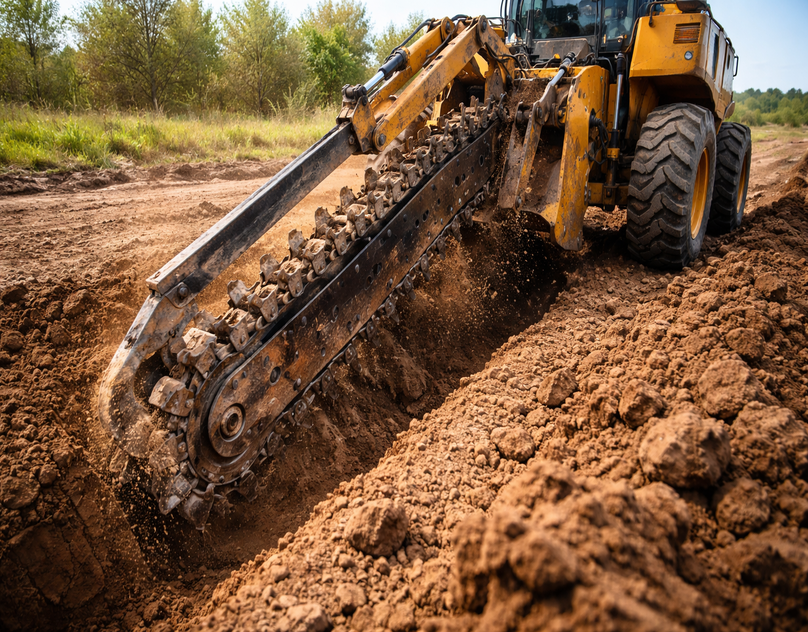
In modern construction and infrastructure projects, efficiency is everything. Whether it’s laying pipelines, installing cables, or creating drainage systems, trenching plays a critical role. Using a chain trencher can significantly speed up operations, but maximizing its productivity requires the right approach, planning, and maintenance. By following best practices, operators and contractors can achieve faster results, reduce costs, and improve overall project outcomes.
Understand the Equipment and Its Capabilities
Before starting any project, it is essential to fully understand how a chain trencher works. This machine uses a continuous chain equipped with cutting teeth to dig trenches of consistent depth and width. Knowing the machine’s specifications—such as digging depth, soil compatibility, and power capacity—helps in selecting the right model for the job.
Operators should also be trained in handling the equipment efficiently. Familiarity with controls, speed adjustments, and cutting mechanisms ensures smoother operation and prevents unnecessary delays.
Choose the Right Trencher for the Job
Selecting the correct machine is crucial for productivity. Different projects require different types of trenchers based on soil conditions, trench dimensions, and project scale. For example, heavy-duty trenchers are ideal for rocky terrains, while lighter models are suitable for soft soil and landscaping tasks.
Using the wrong equipment can lead to slower progress, increased wear and tear, and higher operational costs. Therefore, assessing project requirements beforehand ensures optimal performance and efficiency.
Conduct Proper Site Preparation
A well-prepared site can significantly enhance trenching efficiency. Before starting the operation, clear the area of debris, rocks, and obstacles that may hinder the machine’s movement. Marking the trench path in advance also helps operators maintain accuracy and avoid rework.
Soil testing is another important step. Understanding soil type—whether it is clay, sand, or rock—allows operators to adjust the machine settings accordingly. Proper preparation reduces downtime and ensures smoother trenching operations.
Optimize Operating Techniques
Efficient operation plays a key role in maximizing productivity. Maintaining a steady pace while trenching prevents unnecessary strain on the machine and ensures consistent trench quality. Avoid pushing the equipment beyond its limits, as this can cause breakdowns and delays.
Operators should also monitor cutting speed and depth continuously. Adjusting these parameters based on soil conditions helps maintain efficiency without compromising performance. Regular communication between team members further enhances coordination on-site.
Regular Maintenance and Inspection
Routine maintenance is essential to keep the machine running at peak performance. Inspecting the chain, teeth, and other components before and after use helps identify wear and tear early. Replacing worn-out parts promptly prevents unexpected breakdowns.
Lubrication of moving parts and checking hydraulic systems also contribute to smooth operation. A well-maintained chain trencher not only improves productivity but also extends the equipment’s lifespan, reducing long-term costs.
Minimize Downtime
Downtime can significantly impact project timelines and budgets. To minimize interruptions, always have a maintenance schedule in place and keep essential spare parts readily available. Quick access to replacement components ensures that minor issues do not escalate into major delays.
Additionally, having skilled operators and technicians on-site can help resolve problems quickly. Planning work shifts efficiently and avoiding overuse of the machine also reduces the risk of breakdowns.
Focus on Safety
Safety and productivity go hand in hand. Ensuring that operators follow safety guidelines prevents accidents that can halt operations. Providing proper training, protective gear, and clear instructions helps create a safe working environment.
Regular safety checks and adherence to operational standards not only protect workers but also keep the project running smoothly without unexpected interruptions.
Leverage Modern Technology
Modern trenching equipment often comes with advanced features such as GPS guidance, automated controls, and monitoring systems. Utilizing these technologies can enhance precision and reduce manual effort. Real-time data tracking helps operators make informed decisions, improving efficiency on-site.
Investing in upgraded equipment may require an initial cost, but it often leads to long-term productivity gains and reduced operational expenses.
Plan and Monitor Workflow
Effective planning is key to maximizing output. Breaking the project into manageable tasks and setting realistic timelines ensures steady progress. Monitoring daily performance helps identify bottlenecks and areas for improvement.
Using project management tools and maintaining clear communication among team members can streamline operations. A well-organized workflow minimizes delays and keeps the project on track.
Maximizing productivity with a chain trencher involves a combination of proper equipment selection, skilled operation, regular maintenance, and effective planning. By preparing the site, optimizing techniques, and leveraging modern technology, contractors can achieve faster and more efficient trenching results. A strategic approach not only improves performance but also reduces costs and ensures successful project completion.

 English
 Arabic
 Français
 Português
 Deutsch
 Türkçe
 Dutch
Dutch
 Italiano
 Russian
 Romaian