


How to Successfully Restore Damaged Trees
To successfully restore damaged trees, we must first understand the causes, like environmental stress and pests. We should assess visible signs, such as broken branches and leaf discoloration. Then, we can use techniques like pruning, soil aeration, and mulching to aid recovery. After restoration, let’s care for our trees by ensuring proper watering and monitoring for issues. If problems persist, knowing when to seek expert help is essential. There’s more to explore on caring for our trees effectively.
What Causes Tree Damage and How to Recognize It?
When we think about tree damage, it’s essential to recognize that various factors can contribute to their decline. Environmental stresses like drought, soil compaction, and pollution can hinder a tree’s ability to thrive.
Additionally, pests and diseases often attack weakened trees, further complicating their health. We must also consider the effects of urbanization, where trees struggle to reach green space amidst concrete and asphalt.
Recognizing early signs of damage-like wilting leaves or bark abnormalities-helps us act swiftly. By understanding these causes, we can better engage in tree restoration efforts, enhancing our urban landscapes.
Together, we can create vibrant green spaces that support healthy trees and foster community well-being.
How to Assess Tree Damage: Key Indicators to Observe
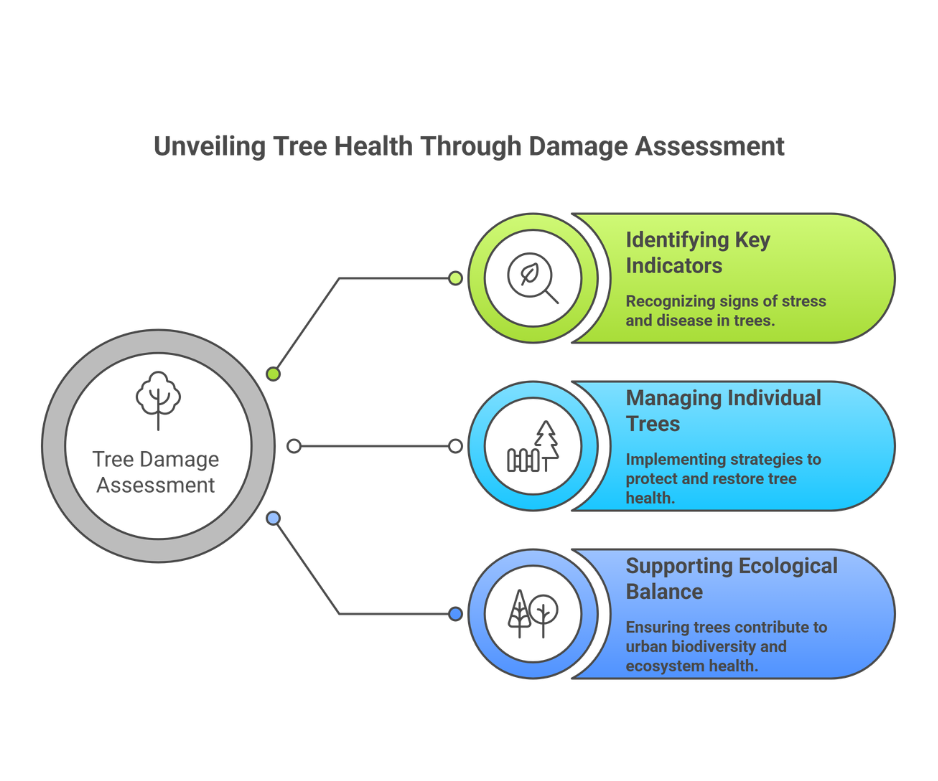
Evaluating tree damage is essential for maintaining healthy urban landscapes.
First, we should check for visible signs like broken branches, bark wounds, or leaning trunks. These indicators often reveal underlying structural issues.
Next, let’s examine the leaves-discoloration or premature dropping can signal distress.
It’s also vital to inspect the root zone; soil displacement or exposed roots might indicate serious problems.
We should be mindful of any fungal growth or insect infestations, as these can exacerbate tree health.
Finally, we can assess the tree’s overall growth pattern; irregularities might suggest damage.
By observing these key indicators, we can make informed decisions about the necessary steps for restoration.
Together, we can support the health of our urban trees.
Restoration Techniques for Damaged Trees
Restoring damaged trees requires a proactive approach to guarantee their health and longevity.
We can implement several effective restoration techniques to help our trees thrive once again:
-
Pruning: Removing dead or damaged branches helps promote healthy growth and reduces stress on the tree.
-
Soil Aeration: Ensuring that the soil around the tree is well-aerated allows for better water and nutrient absorption, supporting overall health.
-
Mulching: Applying organic mulch around the base retains moisture, regulates temperature, and suppresses weeds, creating a better environment for recovery.
Caring for Your Trees After Restoration
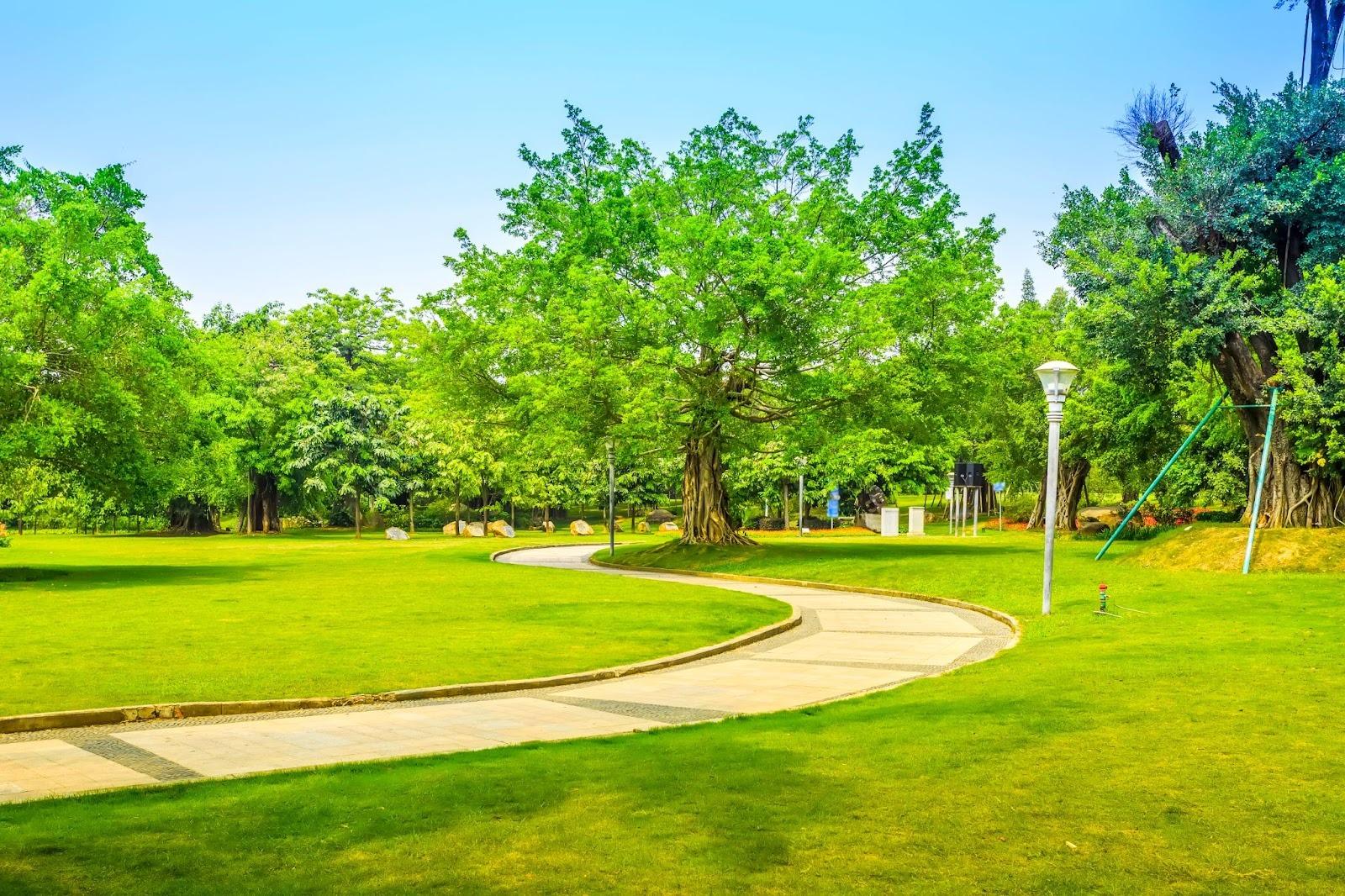
Caring for trees after restoration is essential if we want them to thrive and regain their strength.
First, we should guarantee they receive adequate water, especially during dry spells. Regularly checking the soil moisture helps us avoid both overwatering and drought stress.
Mulching around the base can retain moisture and suppress weeds, giving our trees a better chance to flourish.
It’s also important to monitor for pests or diseases, acting quickly if we notice any issues.
Pruning dead or damaged branches encourages healthy growth.
Finally, we can enrich the soil with compost or organic fertilizers to support their recovery.
Is It Time to Call a Pro? Signs You Need Expert Help?
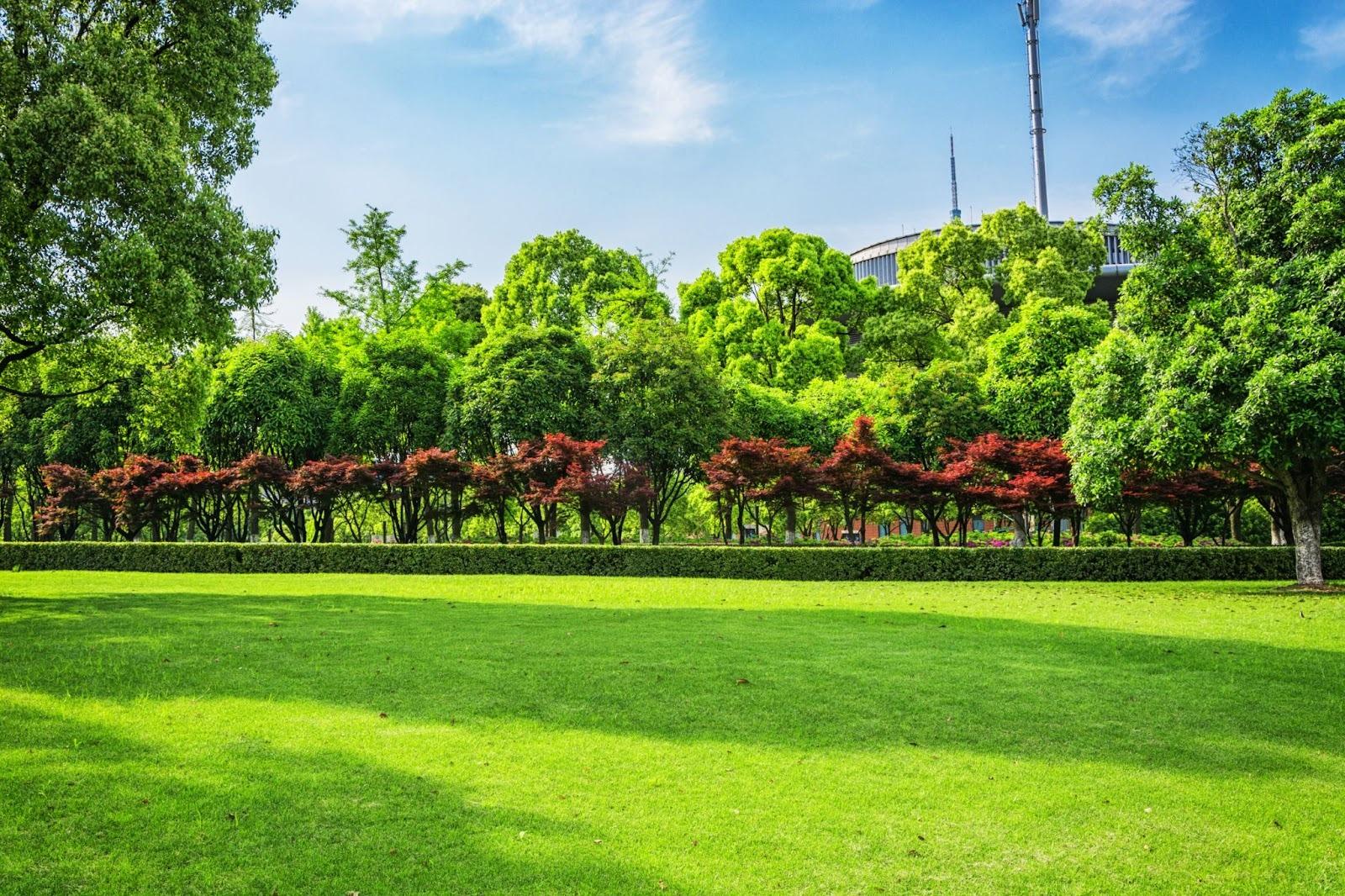
After nurturing our trees through restoration, we might wonder if it’s time to call in a professional.
Recognizing the signs that expert help is needed can be vital for our trees’ health and longevity. Here are a few indicators to watch for:
-
Severe Damage: If branches are broken or the tree’s structure is compromised, it’s best to consult an arborist.
-
Persistent Pests: A recurring pest issue, despite our efforts, suggests we need professional intervention.
-
Unusual Growth: Stunted growth or leaf discoloration can indicate deeper problems that require expert diagnosis.
Frequently Asked Questions
Can Damaged Trees Recover on Their Own Without Intervention?
Yes, damaged trees can recover on their own, but they often need our support. By observing their condition and providing care when necessary, we can help guarantee their resilience and health in the long run.
What Common Pests Affect Damaged Trees During Recovery?
Common pests that affect damaged trees during recovery include aphids, bark beetles, and spider mites. We should monitor for these threats closely, as they can hinder the healing process and weaken the tree further.
How Long Does It Take for a Tree to Show Restoration Signs?
It typically takes a tree several months to a few years to show signs of restoration. We should monitor closely, as factors like species, environment, and care all influence the recovery timeline.
Are There Specific Fertilizers Recommended for Recovering Trees?
We recommend using organic fertilizers like compost or well-balanced formulations with nitrogen, phosphorus, and potassium. These nutrients help recovering trees regain strength and promote healthy growth, ensuring they’re more resilient in the future.
Can Tree Damage Affect Surrounding Plants and Soil Health?
Yes, tree damage can greatly impact surrounding plants and soil health. We need to recognize that weakened trees often lead to reduced soil nutrients and moisture, affecting overall ecosystem balance and plant vigor in the area.
Conclusion
In our journey to restore damaged trees, we’ve learned that each effort counts. By evaluating damage, applying effective techniques, and nurturing our trees post-restoration, we can make a significant impact. Remember, we’re not alone in this-our shared commitment fosters healthier urban environments. If we encounter challenges, seeking professional help is always a wise choice. Together, let’s continue to advocate for our green spaces, ensuring they thrive for generations to come. Let’s keep growing!

 English
 Arabic
 Français
 Português
 Deutsch
 Türkçe
 Dutch
Dutch
 Italiano
 Russian
 Romaian