


Mastering Mobile Storytelling: A Content Strategy Guide
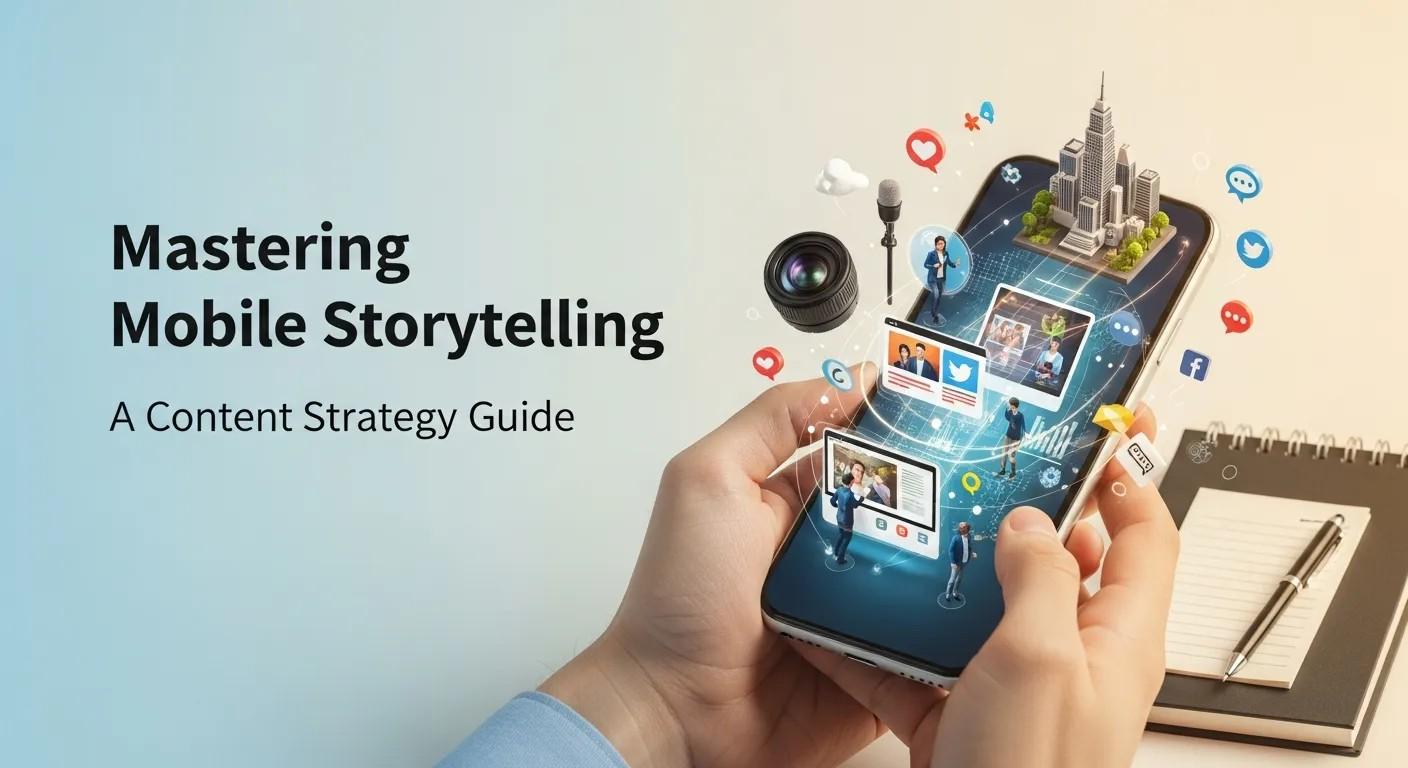
Mobile storytelling has become one of the most effective ways to capture attention in a fast-scrolling digital world. With audiences consuming more content on smartphones than ever before, brands and creators need to adapt their messaging for smaller screens and shorter attention spans. A strong mobile storytelling strategy helps you deliver a clear message, create emotional connection, and keep users engaged from start to finish.
Why Mobile Storytelling Matters
People interact with content differently on mobile devices. They scroll quickly, tap selectively, and expect instant value. That means your story must be simple, compelling, and easy to consume. A strong mobile-first approach is not just about shrinking content for a smaller screen—it is about reshaping the message so it feels natural, readable, and engaging on mobile.
Start with a Clear Message
Every great story begins with clarity. Before creating mobile content, define the core message you want your audience to remember. If the story is too complex, users may lose interest before reaching the main point. The best mobile storytelling keeps one idea at the center and builds around it with purpose.
Use Visual Flow to Support the Story
On mobile, presentation matters as much as the message itself. Short paragraphs, clean formatting, and visually balanced content make reading easier. Break your story into digestible sections and guide the reader naturally from one idea to the next. A smooth visual flow improves attention and helps users stay connected to your content longer.
Make It Emotional and Relatable
Stories work because they connect with people on a human level. Whether you are writing for a brand, a product, or a campaign, emotion makes the message memorable. Mobile users respond well to content that feels personal, relevant, and authentic. When people see themselves in the story, they are more likely to engage with it and act on it.
Keep It Concise Without Losing Depth
Mobile storytelling does not mean oversimplifying everything. It means saying more with less. Every sentence should serve a purpose. Remove unnecessary details, avoid clutter, and focus on the strongest parts of the message. The goal is to create content that feels brief but still meaningful and valuable.
Optimize for Mobile Behavior
A mobile audience behaves differently from a desktop audience. They may read in short bursts, swipe through content quickly, or return later to finish. For that reason, your content should be easy to scan and easy to resume. Strong headlines, clear structure, and readable spacing all help improve the mobile experience.
Turn Story into Strategy
Mobile storytelling is not only about writing well it is about using content strategically. Every story should support a larger goal, whether that is brand awareness, engagement, trust, or conversion. When storytelling and strategy work together, the result is content that does more than inform. It influences, connects, and performs.
Conclusion
Mastering mobile storytelling means understanding how people consume content on their phones and shaping your message accordingly. The most effective mobile content is clear, emotional, concise, and designed for easy reading. When done right, mobile storytelling can turn simple messages into powerful brand experiences.
Read more about this topic:


 English
 Arabic
 Français
 Español
 Deutsch
 Türkçe
 Dutch
Dutch
 Italiano
 Russian
 Romaian